
China’s LNG Imports to Fall for Second Month Due to High Prices
Source: Bloomberg
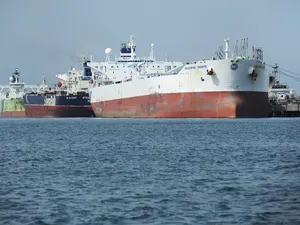
China's LNG imports are projected to fall for a second consecutive month, with September deliveries estimated at 5.3 million tons, roughly 8% below year-earlier levels. Higher LNG prices triggered by the Middle East conflict are curbing Chinese demand, signaling weaker near-term LNG consumption and potential pressure on global gas trade flows.
Analysis
The relevant transmission channel is a softer Asian spot-LNG bid rather than a broad deterioration in global gas demand. Chinese buyers can lean on domestic coal, pipeline gas and inventory before curtailing essential consumption, so reduced spot purchasing should pressure the JKM premium and redirect marginal Atlantic Basin cargoes into Europe. That is bearish for near-term LNG shipping utilization and spot charter rates (GLNG), while limiting upside to uncontracted volumes at Cheniere (LNG); the impact on LNG's contracted cash flow is modest unless weak spot conditions persist into 2027 contracting.
The second-order risk is that lower Chinese buying temporarily masks, rather than resolves, the geopolitical supply risk. If cargoes are rerouted or Hormuz transit risk rises, freight and insurance costs can offset a weaker commodity price; exporters with destination flexibility retain optionality, while Asian importers with exposed spot procurement bear volatility. European storage draws and winter weather are the key 1-3 month swing factors: a cold Northern Hemisphere winter could rapidly absorb diverted cargoes and restore JKM/TTF pricing even if China remains price-sensitive.
Consensus may overread a two-month import slowdown as evidence of durable Chinese demand destruction. The more likely 6-18 month effect is increased preference for long-dated, oil-indexed or pipeline-linked supply and slower incremental spot-market liquidity, which favors low-cost contracted suppliers over shipping and pure spot-exposure names. NVDA, KR and ORCL have no material direct earnings read-through; treating the supplied ticker list as an energy signal would be a category error.
AllMind Terminal
AI-powered research, real-time alerts, and portfolio analytics for institutional investors.
Request TrialMarket Sentiment
Overall Sentiment
mildly negative
Sentiment Score
-0.32
Ticker Sentiment
Key Decisions for Investors
- Maintain a 1-3 month underweight in LNG shipping versus contracted LNG export exposure: short GLNG / long LNG in equal-dollar size after confirming weaker charter-rate prints. Thesis is a compression in shipping utilization while LNG's long-term contracts cushion EBITDA; exit if spot LNG charter rates rise for two consecutive weeks or JKM materially rebounds.
- Do not add directional long exposure to UNG on the China-demand headline alone. Set an alert for a sustained JKM-to-Henry Hub spread below $5/MMBtu: that would signal reduced export netbacks and raise downside risk for US gas producers such as EQT and RRC over the following quarter.
- For a geopolitical hedge, retain small upside exposure to LNG through 3-6 month call spreads rather than outright shares. The payoff is asymmetric if transit disruption widens regional spreads; invalidate the hedge if Middle East shipping-risk premiums normalize and European storage remains comfortably above seasonal norms.
- Watch Chinese coal burn, pipeline-gas flows and Chinese LNG inventory data before initiating any structural short in LNG demand beneficiaries. A rebound in industrial activity or a policy-led restocking cycle would falsify the demand-destruction thesis quickly.
More News
- Stocks wobble as bonds slump to monthly loss
- Oil Surges, Nvidia Unleashes a Record $150B Buyback
- Experts worry about Nvidia's AI chip sales in China and influence over Trump
- Stocks Fall, Oil Rises as Iran Refuses to Soften Demands; US, China to Cut Tariffs
- White House Releases Taxpayer-Funded Midterm Ads
- ‘Unsettling to American partners’: Trump’s offer to sell arms to China is an admission he doesn’t take its security threats seriously, experts warn