
Die „Fragmentierungssteuer" der letzten Meile: FarEye legt vier Maßnahmen zur Kontrolle steigender Lieferkosten bei führenden Anbietern im Bereich der Zustellung auf der letzten Meile in der EMEA-Region bis 2026 vor
Source: PR Newswire
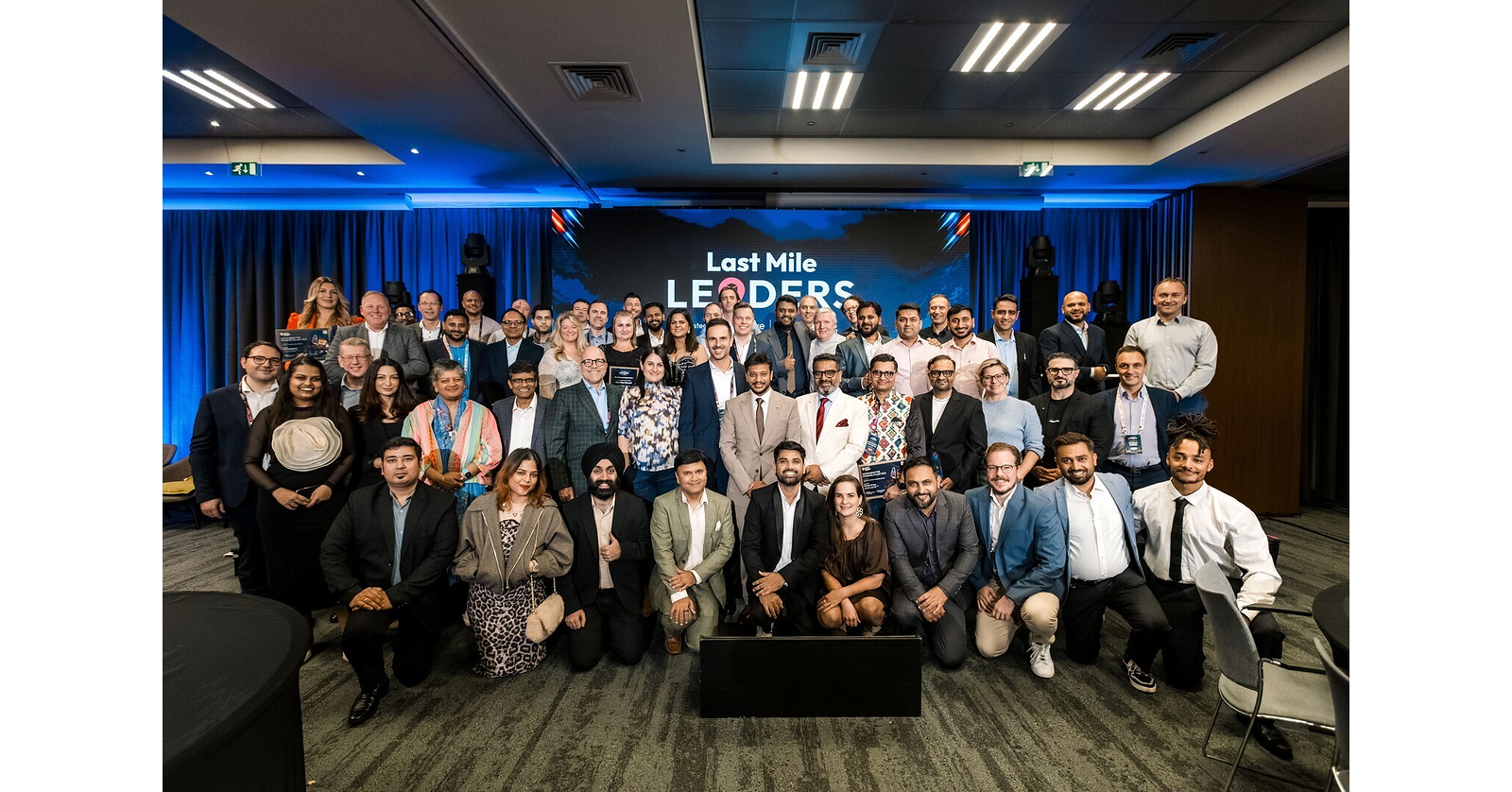
Die Kosten für die Zustellung auf der letzten Meile in der EMEA-Region stiegen laut FarEyes Bericht im vergangenen Jahr durchschnittlich um 9%; 96% der befragten Unternehmen zahlten mehr pro Zustellung. FarEye-CEO Kushal Nahata führte einen wesentlichen Teil des Kostendrucks auf fragmentierte Transportunternehmen, Daten und Systeme zurück und empfahl vier Maßnahmen, darunter bessere Kostentransparenz und den Aufbau von KI auf standardisierten, verlässlichen Daten. Die Ergebnisse beruhen auf mehr als 4.000 Datenpunkten von über 500 Befragten.
Analysis
The investable implication is a potential shift in bargaining power, not evidence that delivery costs are about to fall. Better cross-carrier visibility lets shippers allocate volume against service and total cost, weakening the pricing power of carriers that cannot provide reliable data or meet consistent service standards. Conversely, operators with mature integrations and dependable performance may gain share. Smaller regional carriers could face added integration and reporting costs, accelerating consolidation or pushing them into subcontracting.
Retailers may also use better cost attribution to redesign shipping offers: predictable, lower-cost standard delivery can protect margin, while charging for urgency helps avoid subsidizing express service. But improved orchestration will not remove underlying labor, fuel, or capacity costs, and service failures may still erase savings through re-delivery and customer support. FarEye's report is vendor-sponsored; survey responses and the reported average cost increase do not establish that fragmentation caused the increase or that its software can capture the savings. The containerization analogy is directional, not a forecast of comparable savings.
Near term, this is not a standalone trade catalyst. Over 1–3 months, look for carrier and retailer earnings commentary on cost per parcel, failed delivery rates, carrier allocation, and logistics software adoption. Over 6–18 months, common data standards could favor integrated networks and orchestration providers, while increasing pressure on fragmented carriers. The thesis weakens if visibility improves but cost per successful delivery and service reliability do not.
AllMind Terminal
AI-powered research, real-time alerts, and portfolio analytics for institutional investors.
Request TrialMarket Sentiment
Overall Sentiment
mildly negative
Sentiment Score
-0.15
Key Decisions for Investors
- No directional position on this release alone: the underlying survey is not independent proof of savings, and no public-company earnings impact is quantified.
- Add logistics orchestration and carrier-integration software to the watchlist; seek evidence in customer wins, renewals, implementation costs, and measurable reductions in cost per successful delivery before taking exposure.
- Monitor large parcel operators versus regional carriers for signs of share shifts tied to data quality and on-time performance; do not assume integration maturity or economics without company disclosures.
- For retailers, track shipping cost per order alongside failed-delivery and customer-contact rates. A sustained improvement without weaker conversion would support the margin thesis; flat costs or deteriorating service would falsify it.
More News
- SK Hynix Posts Record Profit Amid AI Rush
- SK Hynix third-quarter profit sharply beats estimates on AI memory boost
- Anthropic's IPO could be 'speculative fiction' or a 'generational moment' — investors are split
- Iran’s calculations as US escalation looms: Trust, midterms, Hormuz
- Anthropic IPO Seeks Investors, With Risks of Catastrophe, Rogue AI
- Tech's relief rally extends as attention turns to tough decisions for the Fed