
Micron: The Memory Equity Cycle Is At Its Zenith
Source: seekingalpha.com
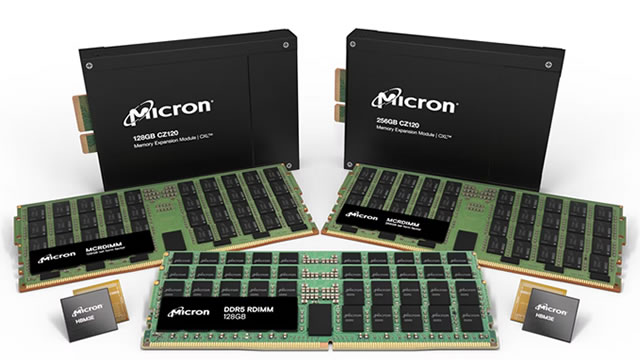
Micron shares have risen 13% since the prior analysis after earnings showed 379% year-over-year revenue growth and 1,003% adjusted EPS growth, supported by AI-related memory demand. However, Q1 guidance implies deceleration, with revenue growth projected at 351% and adjusted EPS growth at 698%, raising concern that Micron may be nearing the peak of its cycle.
Analysis
The relevant debate is not decelerating percentage growth off a trough, but whether high-bandwidth memory (HBM) and conventional DRAM pricing can remain tight through the next contract-reset cycle. MU has unusually high operating leverage: modest DRAM/NAND price changes flow disproportionately to gross margin and EPS, so consensus revisions will be driven by bit-demand versus supply discipline rather than headline AI-server demand. SK Hynix and Samsung remain the critical competitive variables; any meaningful HBM qualification expansion at Samsung or accelerated capacity conversion by either Korean peer would cap MU's pricing power before it materially affects reported revenue.
Near term, the market may continue to reward evidence that HBM mix is displacing lower-value server and mobile memory rather than merely adding volume. The more consequential 1-3 month catalyst is the next earnings outlook: commentary on HBM sold-out duration, DRAM contract pricing, yields, and capex intensity will determine whether estimates can rise further. A negative setup emerges if higher capex is required to defend share, because the market will capitalize the eventual supply response well before spot prices weaken.
The contrarian view is that a peak-cycle short can be early. AI memory content per accelerator and tight advanced-packaging availability can extend the profit plateau for several quarters, while memory producers have shown more supply restraint than in prior cycles. The bearish thesis is falsified by another upward revision to gross-margin guidance alongside confirmation that HBM allocations remain constrained into the following calendar year; it is supported by falling DRAM contract-price indicators, a lowered HBM pricing/mix outlook, or a capex step-up from MU, Samsung, or SK Hynix.
AllMind Terminal
AI-powered research, real-time alerts, and portfolio analytics for institutional investors.
Request TrialMarket Sentiment
Overall Sentiment
mildly negative
Sentiment Score
-0.28
Ticker Sentiment
Key Decisions for Investors
- Do not initiate an outright MU short solely on slower percentage growth; wait for a guidance miss, DRAM contract-price rollover, or evidence of competitor HBM supply gains. The timing risk is substantial over the next 1-2 quarters while AI allocations remain supply constrained.
- For a bearish expression, prefer a 3-6 month defined-risk MU put spread entered after a post-earnings rally or volatility compression. Target a 15-25% drawdown if gross-margin expectations reset; cap premium at 1-2% of portfolio risk because a sustained HBM shortage can invalidate the trade.
- Consider a relative-value watch: long MU versus short a broad memory/semiconductor proxy only if MU demonstrates persistent HBM mix and margin outperformance; reverse to short MU versus long SOXX if Samsung qualification progress or MU capex guidance signals share economics deteriorating.
- Monitor quarterly HBM revenue/mix, DRAM contract pricing, inventory days, and capex-to-sales. A material sequential decline in contract pricing or inventory rebuilding is the actionable confirmation for reducing MU exposure over a 6-18 month memory-cycle horizon.
More News
- How Nvidia, Micron and a surprising jobs report drove last week's stock action
- Micron: The Memory Peak Is Still Ahead
- Micron Just Extended Its Forecast for the AI Build-Out to 2031. Its Stock Is Bound to Defy History.
- The Memory Boom Helped Micron Deliver a Record Year. Here’s Where the Stock Will Be in 3 Years
- 3 No-Brainer Stocks to Buy If Data Center Expenditures Hit $3 Trillion by 2030
- Got $1,000? 2 Growth Stocks Securing Every AI Data Center.
From AllMind Research
- Anthropic IPO Preview: Valuation, Timing, and What to Watch
- Shein After the IPO: Venue, Valuation, and What Must Be Proved
- What AI Research Tools Should a Small Hedge Fund Buy First?
- Can Hedge Funds Use ChatGPT? A Control Framework
- Palantir (PLTR) Q4 2025 Earnings: 70% Revenue Growth, Then an 11% Single-Day Crash