
Wykorzystać każdy promień słońca i dostarczyć energię tam, gdzie jej brakuje: Globalne Forum Branży Niskoemisyjnej 2026 o sposobach likwidacji luki w dostępie do energii elektrycznej
Source: PR Newswire
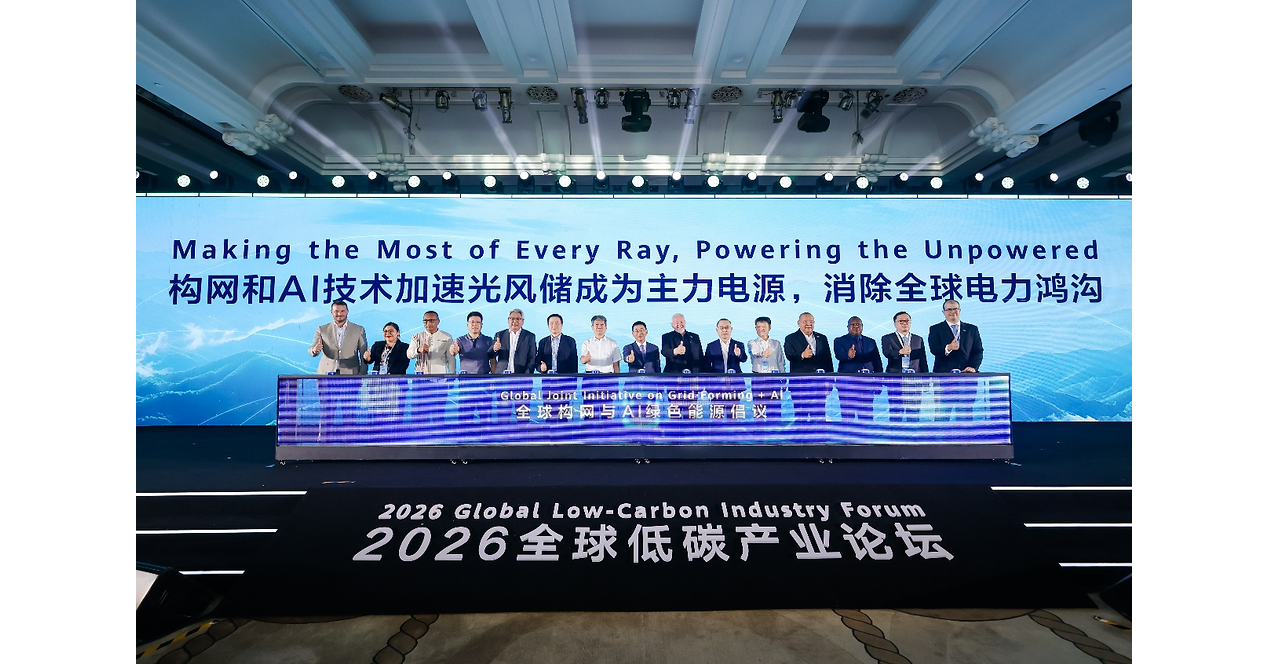
Philippines-based MTerra Solar commissioned the first phase of what is described as the world's largest grid-forming solar-plus-storage project: 2.5GWp of solar capacity and 3.3GWh of BESS, within a planned 3.5GW PV and 4.5GWh storage system. The project is expected to supply stable clean power to about 2.4 million households and reduce CO2 emissions by more than 4.3 million tonnes annually. At Huawei's low-carbon energy forum, industry groups also launched an initiative to standardize and scale grid-forming and AI technologies to improve renewable-grid reliability and help address electricity access for nearly 700 million people.
Analysis
The investable implication is not broad solar demand but a shift in the value stack toward grid-forming inverters, power-conversion systems, controls and long-duration availability guarantees. Huawei is not directly investable, leaving Sungrow (300274 CH), CATL (300750 CH) and Tesla (TSLA) as liquid proxies, while Fluence (FLNC) has the most direct Western pure-play exposure to sophisticated storage controls. This can compress commoditized battery-cell and module economics even as project capex rises: developers will pay for dispatchability and ancillary-service revenue, not simply installed MWh.
The near-term signal remains weak because this is vendor-sponsored messaging rather than evidence of incremental orders, awarded capacity payments or independently verified project economics. Over the next 1-3 months, the relevant catalyst is procurement language from German and other European TSOs that converts grid-forming capability into a qualified, compensated service; that would improve FLNC/TSLA storage revenue quality and reduce perceived merchant-risk discounts. Over 6-18 months, AI-load interconnection constraints create a second demand channel: data-center operators may increasingly procure on-site storage and flexible power architectures, benefiting Vertiv (VRT), Eaton (ETN), GE Vernova (GEV) and TSLA more reliably than solar manufacturers.
Consensus may be over-extrapolating from headline battery deployments to battery makers. Grid-forming requirements can raise certification costs, impose warranty liabilities and favor vertically integrated vendors with field-service scale; smaller integrators such as STEM face a risk that higher technical standards worsen working-capital needs and gross-margin pressure. The thesis is falsified if ancillary-service auction clearing prices fail to cover incremental equipment and degradation costs, or if grid operators defer standardized qualification rules beyond 2027.
AllMind Terminal
AI-powered research, real-time alerts, and portfolio analytics for institutional investors.
Request TrialMarket Sentiment
Overall Sentiment
moderately positive
Sentiment Score
0.48
Key Decisions for Investors
- Maintain a 6-12 month overweight in GEV and ETN versus broad renewable-equipment exposure: grid-hardening and power-quality spend has clearer regulated/contracted funding than merchant solar. Reassess if 2027 utility capex outlooks are cut or order backlog conversion slows materially.
- Watch FLNC for a tactical long only after a disclosed European grid-forming award or verified margin-accretive service contract; use a 3-6 month horizon and require evidence that project gross margins and cash conversion improve. Without contract detail, this is an alert rather than a recommendation.
- Pair long VRT / short STEM over 6-12 months as AI data-center power resilience increasingly rewards scale, installed-base service and balance-sheet capacity. Exit if STEM demonstrates sustained positive free cash flow plus material contracted grid-services backlog, or if VRT data-center order growth decelerates sharply.
- Avoid treating TSLA as a clean grid-forming-storage trade: Megapack upside is likely diluted by auto pricing, autonomy and China-demand variables. Use TSLA only as a diversified optionality exposure, not a targeted expression of this theme.
More News
- Bank of Japan raises interest rates to 31-year high, flags concerns over inflation
- Italy to deploy warships to protect shipping through Bab al-Mandeb
- Oil prices fall as Saudi supply hopes outweigh fresh Houthi strikes
- Oil prices fall for 3rd day as supply concerns ease, diplomacy in focus
- Oil Traders Stymied by Iran War Stalemate: Evening Briefing Americas
- Saudi Pivots Oil Routes After Pipeline Attack