
Career Training Expert Roger Smith of Redding, CA Explains the Real Cost of Lineworker and CDL Programs in Northern California for HelloNation
Source: PR Newswire
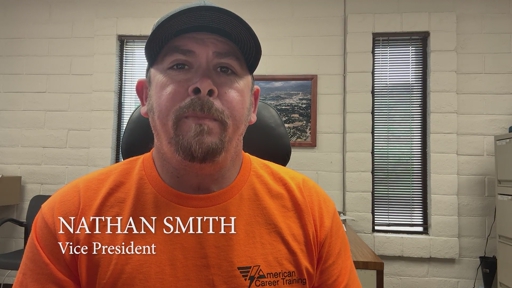
A HelloNation article advises Northern California lineworker and CDL trainees to budget beyond tuition for gear, certifications and testing, travel, and living costs; it provides no specific dollar totals. Lineworker programs are described as generally more expensive, while CDL programs typically last four to eight weeks and may incur extra charges for practice hours and tests. Workforce funding, state grants, and veterans’ benefits may offset costs, subject to program approval and individual eligibility.
Analysis
Signal: very low. This is promotional, locally scoped guidance—not evidence of a change in training prices, enrollment, funding availability, or labor supply. The investable mechanism is conditional: if out-of-pocket training costs or financing friction materially reduce completion rates, Northern California utilities and grid contractors could face a tighter entry-level lineworker pipeline; trucking carriers could face a similar constraint for new CDL drivers. Any wage or hiring-cost effect would be indirect and would require evidence of persistent vacancies, rising starting pay, or delayed project staffing. Training providers may benefit from clearer disclosure or bundled services, but the article does not identify publicly traded operators or establish incremental revenue.
Near term, no catalyst or sector-wide repricing signal. Over 1–3 months, watch enrollment, completion, job-placement and employer-recruitment data from local programs, alongside utility/contractor hiring commentary. Over 6–18 months, a sustained mismatch between workforce demand and qualified entrants could raise labor costs or slow execution, but this article alone cannot establish that mismatch. Contrarian point: higher headline costs need not weaken supply if grants, veterans’ benefits or employer sponsorship cover the marginal expense; the key variable is net cost to students and the share who complete training, neither of which is quantified here. The thesis is falsified by stable or improving local completion and hiring metrics without wage pressure. No trade is warranted on this item.
AllMind Terminal
AI-powered research, real-time alerts, and portfolio analytics for institutional investors.
Request TrialMarket Sentiment
Overall Sentiment
neutral
Sentiment Score
0.00
Key Decisions for Investors
- No position based on this article; the source is promotional and offers no verifiable change in demand, pricing, enrollment, or funding.
- Add a watch item for Northern California utility and grid-contractor hiring, entry-level wages, vacancy duration, and project-staffing delays; treat labor-supply pressure as a thesis only if these indicators worsen together.
- For trucking exposure, monitor carrier commentary on driver recruiting, turnover, and pay rather than inferring a driver shortage from training-cost discussion.
- Before considering a workforce-supply trade, seek program-level net-cost, enrollment, completion, placement, and grant-coverage data; stable completion and hiring metrics would invalidate the constraint thesis.
More News
- What Wall Street billionaires are saying about Democrats' midterm sweep
- NextDC shares surge 43% after Goodman, Digital Realty stake purchases
- Voters rebuff data centers in every ballot measure except one during the 2026 midterms
- Oil and data centre stocks sink after US midterms
- Qualcomm issues disappointing earnings forecast as memory shortage weighs on smartphone sales
- China Blocks SoftBank Acquisition of ABB Robot Unit, FT Says