
Natural Gas, WTI Oil, Brent Oil Forecasts – Oil Dives As Khamenei Gives Iranian Officials Powers To Hold Peace Talks
Source: fxempire.com
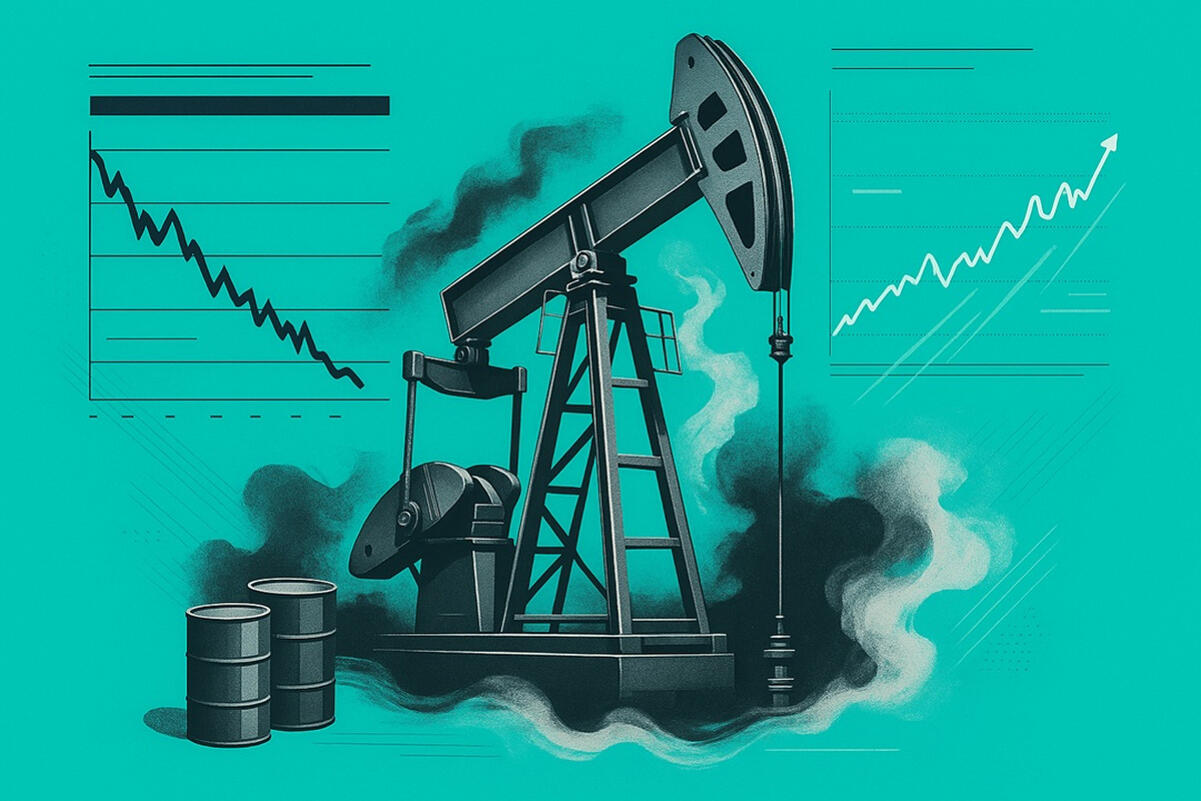
Natural gas and oil faced downside pressure as traders focused on weak gas demand and potential U.S.–Iran negotiations; the article gives no current prices or percentage moves. WTI was testing support at $95.50–$96.00, with lower levels at $94.79 and $91.50–$92.00, while Brent was testing $104.00–$104.50 support, with next support at $99.50–$100.00. A deal could weigh further on oil, while a restart of U.S. military action against Iran could instead trigger an oil rally; both outcomes remain conditional.
Analysis
The oil selloff is pricing a geopolitical risk premium out faster than any additional physical supply can arrive. That creates asymmetric headline risk: a credible negotiation signal may extend near-term liquidation, but a durable bearish repricing needs evidence of sanctions relief and export recovery. A breakdown in talks or renewed military action could rapidly restore the premium. Watch prompt-versus-deferred spreads: easing prompt tightness would support a supply-led thesis; flat prices falling while spreads stay firm would suggest positioning, not a changed physical balance.
Cheaper crude would ease feedstock pressure for refiners and fuel-intensive transport, but their benefit depends on product prices and refining margins—not crude alone. Upstream producers face the opposite exposure. Natural gas is a separate demand/inventory trade; an oil peace premium unwind does not establish a gas bearish case. The article provides no storage, weather, or LNG feedgas evidence, so the gas weakness needs independent confirmation.
Immediate risk is headline-driven; over the next 1–3 months, verify whether talks become formal and lead to concrete sanctions or export changes. Over 6–18 months, any supply increase depends on the agreement's durability and Iran's ability to restore exports. The contrarian point: an oil price decline is not equivalent to new barrels, so chasing the move without confirmation risks being short a geopolitical gap higher.
AllMind Terminal
AI-powered research, real-time alerts, and portfolio analytics for institutional investors.
Request TrialMarket Sentiment
Overall Sentiment
mildly negative
Sentiment Score
-0.35
Key Decisions for Investors
- Do not chase crude lower solely on negotiation headlines. For a tactical WTI short, wait for a settlement below $95.50; use a defined-risk put spread rather than unhedged futures given gap risk. Treat a recovery above $101 as a thesis failure; reassess near the cited $92 area rather than assuming a deeper move.
- Require Brent confirmation below $104 and monitor prompt spreads before increasing exposure. A break in flat price without easing nearby spreads is a warning that the move may be flow-driven and vulnerable to reversal.
- Keep a reversal hedge or reduce short size around official U.S.–Iran announcements. Renewed military action, failed talks, or evidence negotiations are not advancing on the nuclear issue would invalidate the bearish catalyst and could trigger a sharp risk-premium rebound.
- For natural gas, stay neutral pending independent demand checks. Verify storage trajectory, weather forecasts, and LNG feedgas flows; a sustained hold above $2.83 would weaken the near-term downside setup, while a break below $2.80 would make the $2.65–$2.68 zone the next technical reference.
More News
- Explosions hit Iran’s Qeshm Island as US media report US strikes in Hormuz
- Oil price falls amid hope of a breakthrough to end Iran war
- Statement by the Monetary Policy Board: Monetary Policy Decision
- Oil Prices Retreat, Apple Results on Deck
- U.S. reportedly strikes Iran's Qeshm Island as Vance hopes for ‘negotiated settlement’ with Tehran
- Reliance’s Record $19 Billion Surge Lifts Nifty, Keeps India Bulls in the Game