
Au Royaume-Uni, le NICE publie des recommandations préconisant le financement systématique par le NHS du système de perfusion hypothermique oxygénée VitaSmart™ de Bridge to Life
Source: PR Newswire
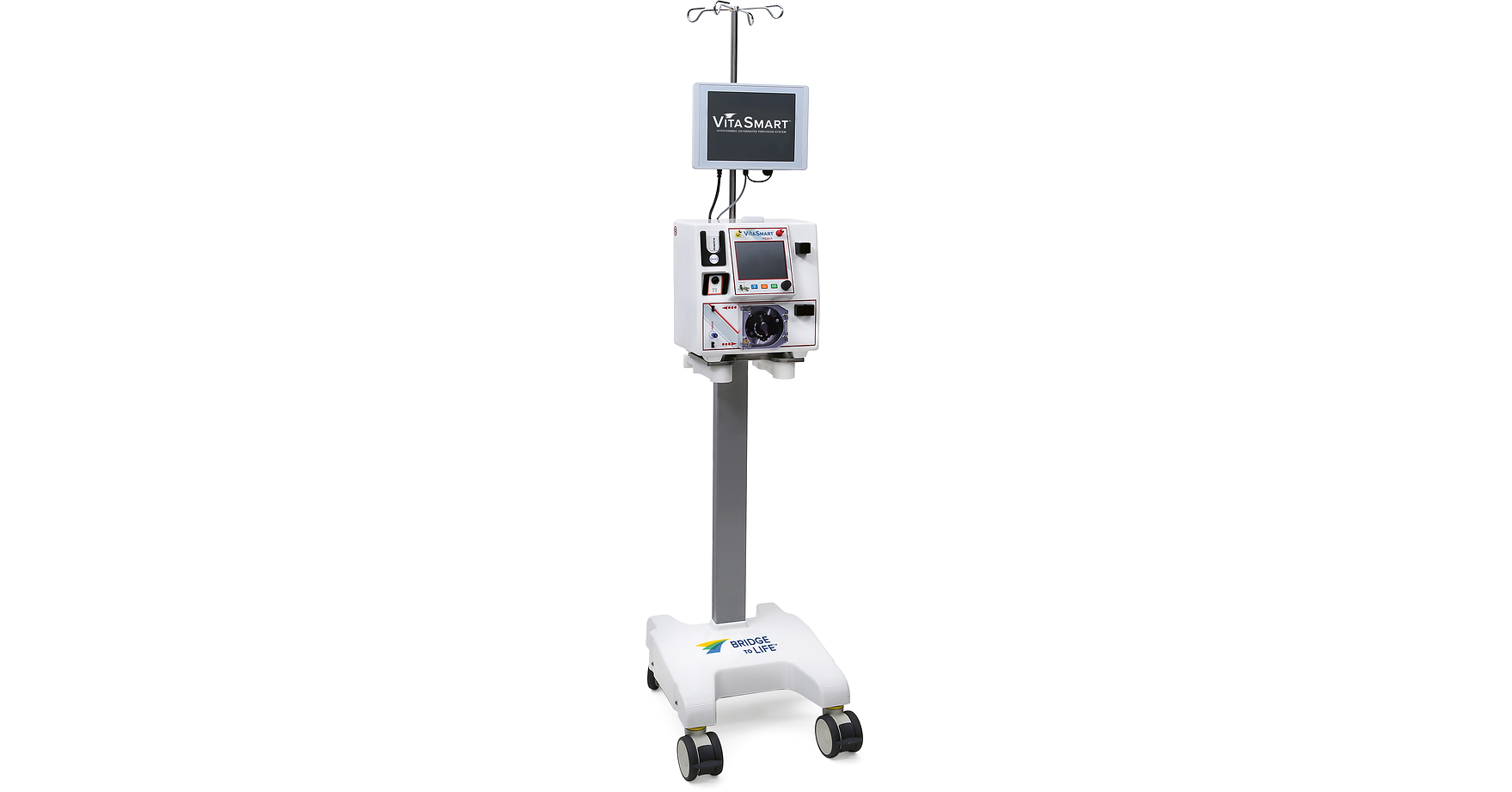
Le NICE recommande au Royaume-Uni le financement systématique par le NHS des dispositifs de perfusion ex situ, dont le système de perfusion hypothermique oxygénée VitaSmart™ de Bridge to Life. La recommandation conclut à des avantages cliniques et économiques vs la conservation statique à froid, incluant une meilleure survie des greffons et moins de complications biliaires. Bridge to Life positionne VitaSmart comme une solution « simple, évolutive et rentable » déjà adoptée en Europe et en croissance aux États-Unis après l’autorisation de novo de la FDA.
Analysis
This is more a validation event than a near-term earnings event, and the market should not confuse clinical endorsement with immediate revenue conversion. The real economic implication is that lower-complexity perfusion gains a credibility advantage over capital-heavy platforms: if a health system can get comparable graft-outcome benefits with less operational friction, procurement committees will push hard on total cost of ownership, not just clinical efficacy. That shifts bargaining power toward vendors that can bundle simplicity, consumables, and training rather than sell a large installed base.
The second-order winner is transplant capacity, not necessarily any one device maker. If uptake broadens donor eligibility and reduces downstream complications, the beneficiaries extend to transplant centers, ICU throughput, and eventually organ-logistics enablers; the loser is any premium platform whose liver share depends on centers tolerating higher complexity or capex. For public proxies, TMDX is the cleanest read-through: not because this invalidates its business, but because a lower-cost alternative in liver preservation can cap how much of the market will accept a premium workflow, especially outside top-tier centers.
Catalyst timing is important: NICE-style guidance is a months-long procurement cycle, not a same-week volume shift. The falsifier is simple: if UK tenders, training, and adoption rates do not convert into procedure counts over the next 2-4 quarters, this becomes a reputational win rather than an economic one. The contrarian point is that consensus may be overestimating replacement and underestimating coexistence; HOPE can expand the market without fully displacing normothermic systems, so the right trade is against overreaction, not against the entire machine-perfusion theme.
AllMind Terminal
AI-powered research, real-time alerts, and portfolio analytics for institutional investors.
Request TrialMarket Sentiment
Overall Sentiment
moderately positive
Sentiment Score
0.45
Key Decisions for Investors
- No immediate standalone trade on the announcement; treat it as a sector-validation data point until UK procurement/tender data confirms real adoption.
- If TMDX rallies on perceived competitive spillover, consider a small 1-3 month tactical short or put spread against XLV/IHI as a relative-value hedge; thesis is lower-cost HOPE can pressure premium liver-perfusion economics more than it helps pricing power.
- Use TMDX as the primary watch item for falsification: if liver-program growth, gross margin, and procedure volume re-accelerate over the next two quarters, the competitive threat is overstated and the short should be covered.
- Longer-term, buy any broad medtech/transplant pullback only if procedure-volume data confirms donor-pool expansion; the cleaner upside is higher transplant throughput rather than device ASP expansion.
More News
- Musk says Terrafab chip factory could outperform rivals despite challenges
- Stocks saw new highs and big declines: How the volatile AI trade moved last week's market
- Will Warner Bros. kill Skydance — or will David Ellison kill Warner Bros?
- Nvidia GPUs are everywhere. Here are the ways companies are accessing them
- How U.S. know-how is fracking Australia into a gas boom, from Texas oilmen to Trump’s energy secretary
- Cerebras Is About as Big as Nvidia's Data Center Business Was Nearly a Decade Ago. The Similarities Mostly End There.
From AllMind Research
- Anthropic IPO Preview: Valuation, Timing, and What to Watch
- Shein After the IPO: Venue, Valuation, and What Must Be Proved
- What AI Research Tools Should a Small Hedge Fund Buy First?
- Run Cost-Controlled Financial Research in AllMind Agent Studio
- State of Public Markets, June 2026: Higher for Longer Meets the AI Supercycle