
Hoymiles lance un chargeur V2X CC de 22 kW pour compléter son écosystème énergétique domestique intégré
Source: PR Newswire
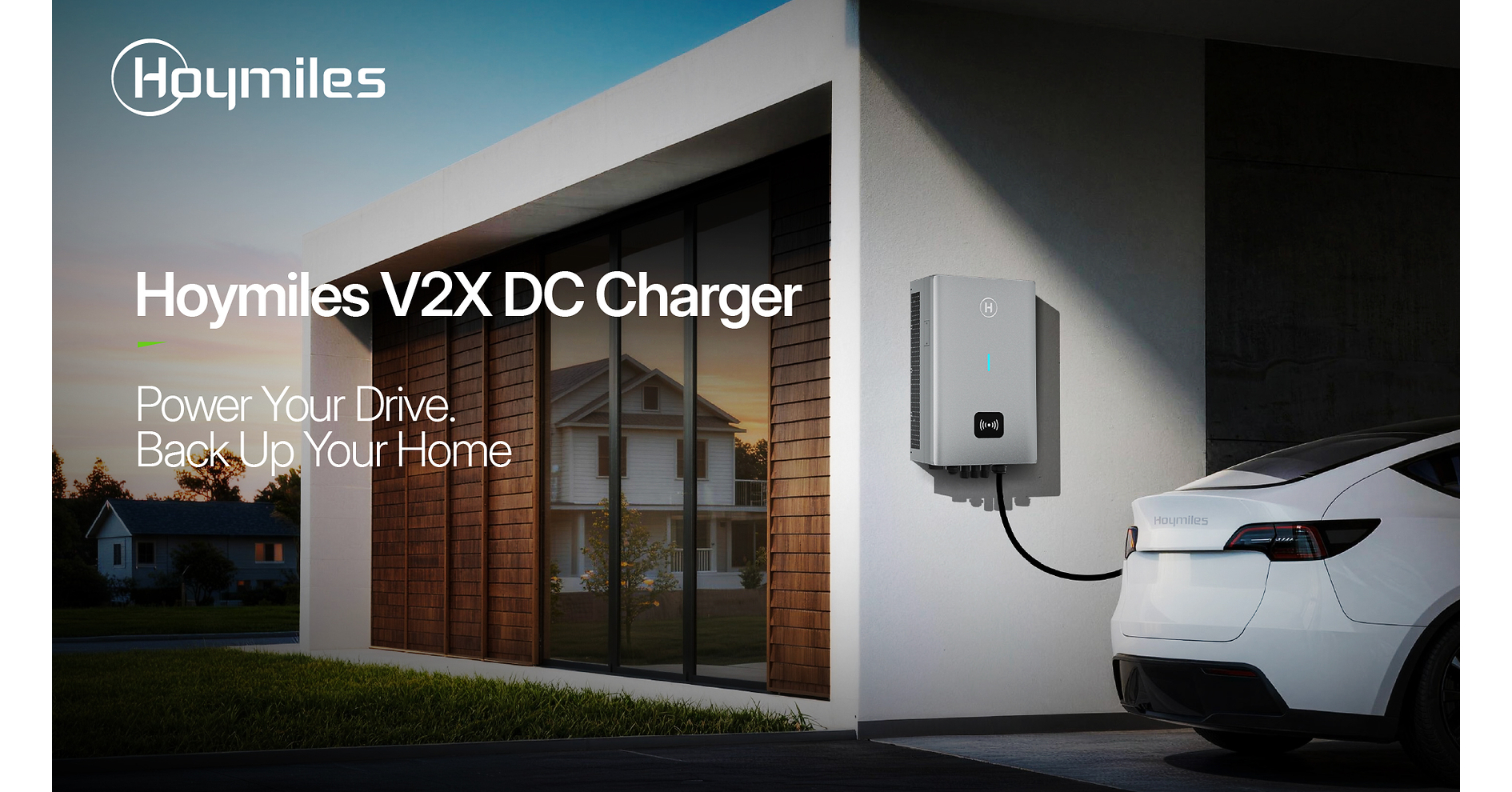
Hoymiles launched a 22 kW DC V2X charger integrated with its HiOne all-in-one home battery energy-storage system, extending its home-energy ecosystem into EV mobility. The bidirectional charger supports V2H backup power and V2G/virtual-power-plant applications, while bypassing onboard AC/DC conversion to reduce charging losses. Hoymiles says the system can add about 110 km of driving range per hour versus roughly 35 km for a conventional AC charger and is compatible with 95% of mainstream EVs.
Analysis
This is strategically more relevant for European residential energy-system vendors than for listed EV OEMs: bidirectional charging only creates recurring software/VPP value when local grid rules, utility aggregation and vehicle protocols are interoperable. The hardware launch alone is unlikely to move sector earnings, but it reinforces margin pressure in home energy management as Chinese suppliers bundle inverter, battery, charger and app into a single installed system. That threatens component-only vendors and may accelerate pricing competition in residential storage.
Near term (days to 3 months), there is no investable earnings read-through without disclosed pricing, distribution agreements, certification status by market, or order backlog. The key catalyst is regulatory: broader approval of exported vehicle power and compensation for flexible-grid services would shift value from the charger hardware toward aggregators and integrated platforms. In Europe, higher retail power-price volatility would improve household payback and favor installers and storage suppliers; falling spreads between peak and off-peak tariffs would weaken adoption economics.
The consensus risk is that "V2G-ready" hardware is being valued as immediately monetizable grid capacity. Vehicle OEM warranty constraints, low bidirectional-capable fleet penetration, connector/protocol fragmentation, and homeowners' reluctance to cycle expensive EV batteries can delay utilization for years. A 22 kW DC architecture may also face a higher installed-cost hurdle than AC alternatives, limiting adoption to higher-income solar-plus-storage households unless subsidies or tariff arbitrage are substantial.
AllMind Terminal
AI-powered research, real-time alerts, and portfolio analytics for institutional investors.
Request TrialMarket Sentiment
Overall Sentiment
moderately positive
Sentiment Score
0.42
Key Decisions for Investors
- No direct trade on Hoymiles: the company is private and the release provides no independently verifiable pricing, volume, channel, or certification data. Create an alert for named European distributor wins, VPP partnerships, and country-level V2G approvals before treating this as a demand signal.
- Maintain a 6-18 month relative-value watch: long integrated residential energy platforms ENPH or SEDG versus short component-exposed inverter/storage peers only after evidence that bundled-system pricing is compressing gross margins. Falsifier: ENPH/SEDG sustain or expand residential gross margin despite Chinese bundle penetration.
- For European exposure, monitor VSTOXX/utility tariff dispersion and V2G regulation before considering long FLNC or NXT proxies; the economic winner from flexible demand is likely grid orchestration rather than charger manufacturing. Entry requires disclosed contracted aggregation revenue, not product compatibility claims.
- Avoid extrapolating to EV OEM upside until bidirectional-capable models represent a material share of deliveries and warranty terms permit frequent grid dispatch. A meaningful regulatory approval or OEM V2G standardization event would invalidate the cautious stance.
More News
- AI Doubts Spread Cracks in Equities, Credit Markets: Evening Briefing Americas
- Stocks Fall as Oil Rally Keeps a Lid on Treasuries
- Energy markets are adapting to the Iran war as a ‘forever conflict’ while oil producers keep supplies flowing and avoid ‘mutually assured destruction’
- Kinder Morgan, Energy Transfer and Williams could benefit from cheap natural gas
- CrowdStrike CEO's alarming prediction — plus, the sell-off spreads beyond tech
- Vertex reports positive IgAN trial data, FDA decision due Nov. 30