
ePointZero to Acquire Majority Stake in Pan-African Power Platform, Azura Power Holdings Limited
Source: PR Newswire
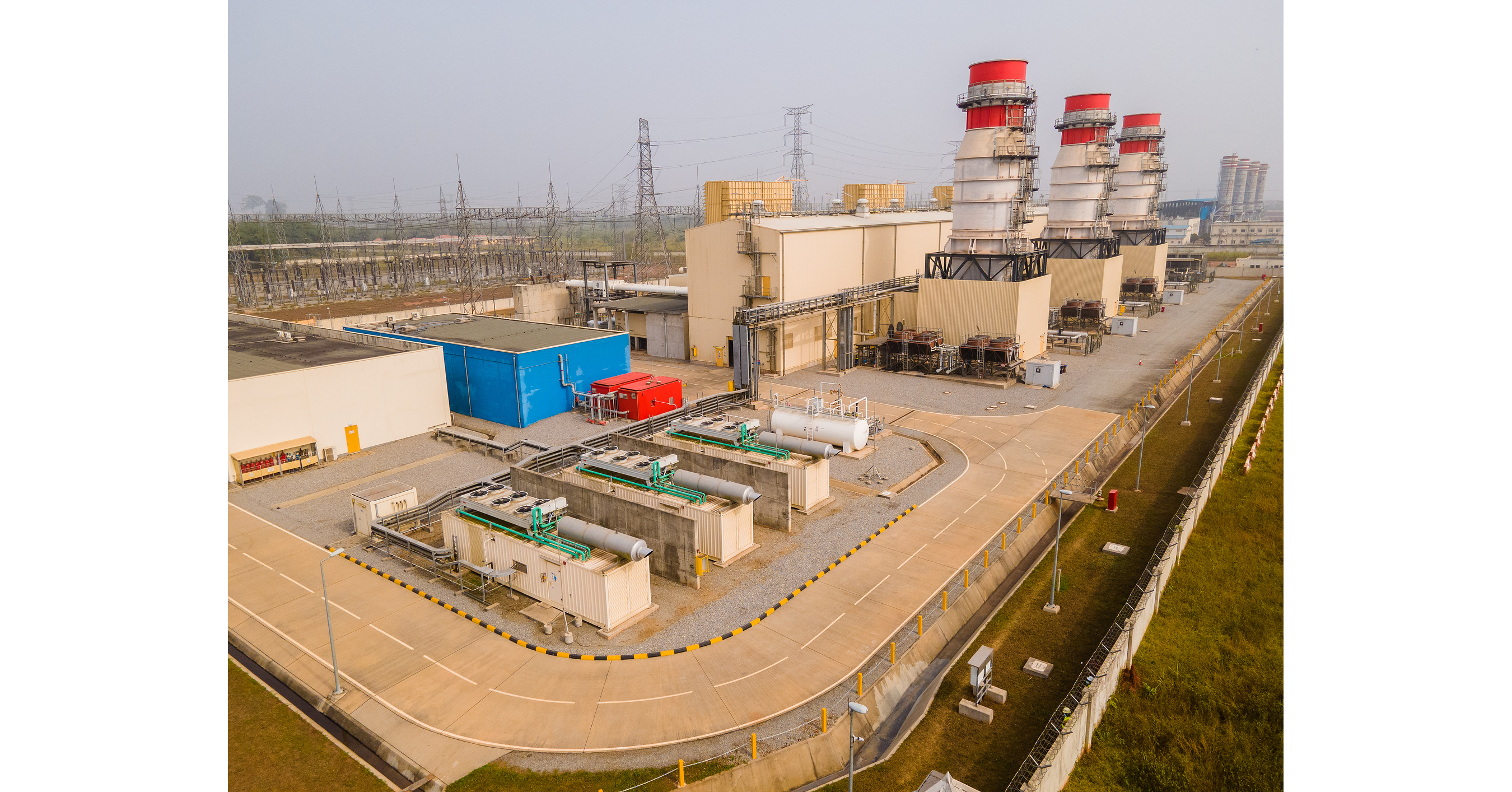
ePointZero will acquire a 90% stake in Azura Power Holdings in a deal that brings 752 MW of operating capacity and a >1.5GW development pipeline, positioning the platform to potentially more than double its operational footprint. The transaction is supported by long-term power purchase agreements and ongoing demand growth (electricity demand expected to nearly double by 2040), with Amaya Capital retaining a 10% minority stake. Regulatory approvals are required for closing, but the announcement signals increased private long-term capital into Africa’s power deficit and likely improves growth visibility for the involved energy infrastructure platform.
Analysis
The investable signal here is not the acquisition itself but the sponsor-quality upgrade: a better-capitalized owner can unlock deferred capex and improve project bankability, which matters most for EPCs, grid equipment, and gas-to-power supply chains over 6-18 months. The immediate market read-through is limited because cash flow quality in African IPPs is still dominated by offtaker payment discipline, FX convertibility, and gas availability; a stronger sponsor does not eliminate those constraints.
Second-order, this can tighten the financing window for comparable frontier infrastructure assets: if DFIs remain in the stack and the new owner pushes expansion, private-market valuations for contracted power assets in EM may get a modest reset higher. The winners are likely the capital providers and equipment vendors that can attach to follow-on projects; the losers are undercapitalized local competitors and sponsors who depend on cheap project debt to roll up assets.
The contrarian view is that this is being read as a bullish Africa power signal when it may simply be a recycling event for a mature platform. The thesis is falsified if regulatory approvals drag, if any re-trade demands more sovereign support, or if there is no evidence of incremental project awards and financing closes within 1-3 quarters. Absent that, this is more a watchlist item than a high-conviction directional catalyst.
AllMind Terminal
AI-powered research, real-time alerts, and portfolio analytics for institutional investors.
Request TrialMarket Sentiment
Overall Sentiment
moderately positive
Sentiment Score
0.45
Key Decisions for Investors
- No immediate single-name trade in the private asset; wait for closing and any disclosed follow-on capex before sizing exposure. The signal is too indirect for a high-conviction position today.
- If the deal closes cleanly and management announces project financing within 1-2 quarters, buy PAVE on weakness for a 3-6 month infrastructure sentiment trade; upside comes from a broader re-rating of contracted capex names, not from Azura economics directly.
- Use GEV / PWR / ETN as a basket to express the longer-dated read-through that Africa power buildout can support equipment and EPC demand. Best entry is on any pullback after confirmation of new project awards; stop if financing or permitting stalls for >1 quarter.
- Set a watch alert on frontier infrastructure credit spreads and DFI participation: if there is no continued World Bank/IFC/MIGA-style support in subsequent deals, abandon the bullish read-through and treat this as a one-off sponsor transaction.
More News
- CoreWeave credit default swaps hit distress levels as investors sour on AI debt
- Brian Sullivan: Why the 'real' price of oil is likely $30-$40 higher than where it is now
- Treasuries Soar as Tech Slump Threatens Growth
- Penske Automotive agrees to be taken private by Penske, Mitsui
- Faraday Copper completes acquisition of BHP’s San Manuel project
- Latest Oil Market News and Analysis for Oct. 16
From AllMind Research
- Anthropic IPO Preview: Valuation, Timing, and What to Watch
- Shein After the IPO: Venue, Valuation, and What Must Be Proved
- What AI Research Tools Should a Small Hedge Fund Buy First?
- AI Vendor Landscape for Institutional Investment Teams
- AllMind Fixed Income Compass for October 2025: Navigating Policy Divergence and Political Risk