
Universidad de Breda: cómo la infraestructura ciclista puede desbloquear el futuro de la movilidad urbana
Source: PR Newswire
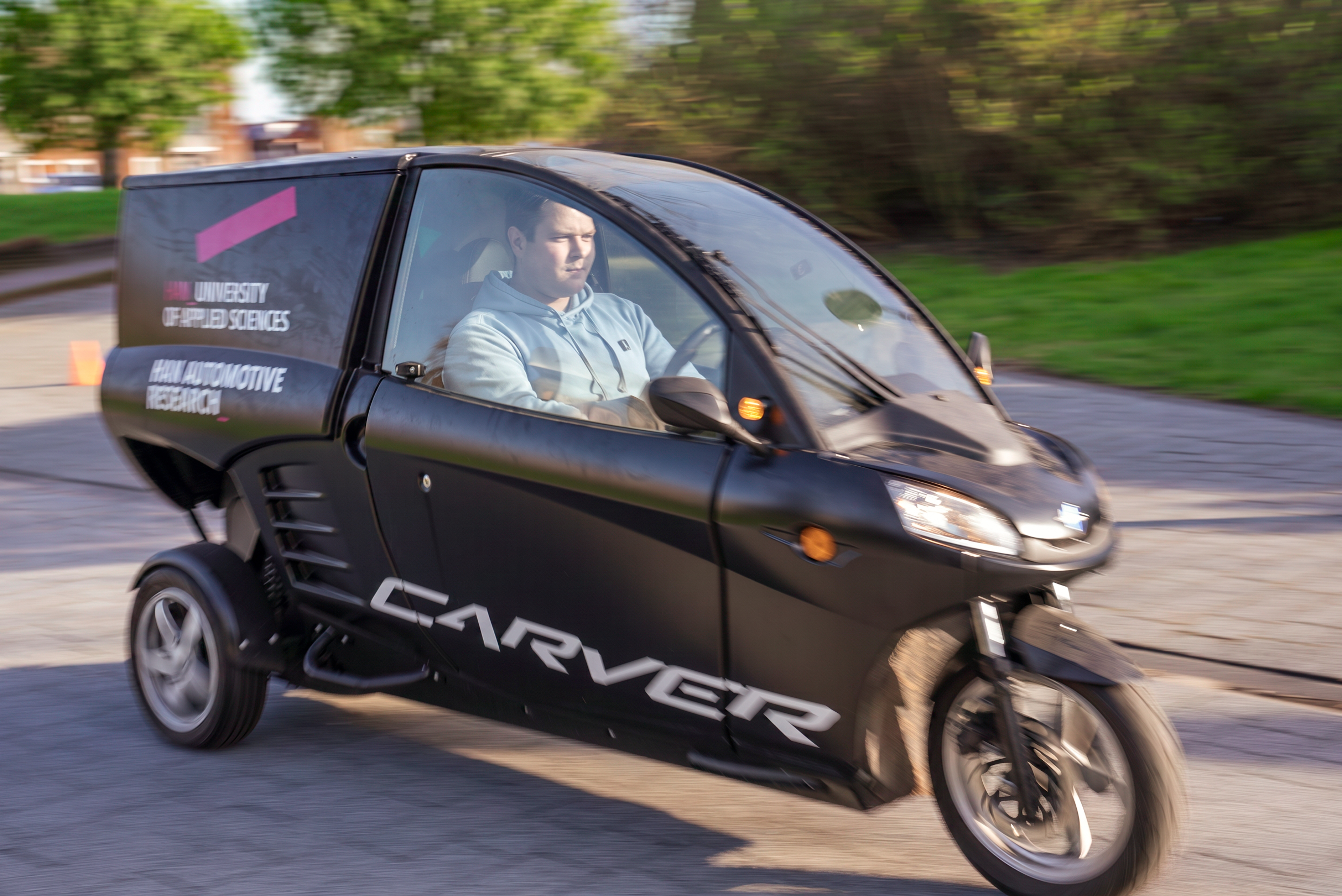
Research from Breda University of Applied Sciences indicates that 25% of nearly 2,000 Dutch residents are considering a light electric vehicle, and 75% of prospective users expect to reduce car use. The adoption of e-scooters, e-cargo bikes and fatbikes could support transport decarbonization, including in suburban and rural areas, but increased speed and vehicle-mass differences on narrow bike lanes raise cyclist-accident risks. Researchers conclude that predictable rider behavior, speed and age enforcement, and segregated cycling infrastructure are more effective than vehicle bans for maintaining safety.
Analysis
The investable implication is not near-term vehicle demand but a regulatory/infrastructure spend cycle that determines whether light electric vehicles displace car trips or become constrained by safety rules. European micromobility operators and hardware vendors face asymmetric policy risk: cities can impose speed caps, parking restrictions, geofencing and age verification quickly, while protected-lane construction takes years. This favors suppliers with compliance software, fleet-management capability and diversified municipal exposure over low-cost vehicle assemblers competing on price.
For the next 1-3 months, this is primarily an alert rather than a standalone trade: municipal enforcement actions following high-profile accidents could pressure shared-mobility economics through lower utilization and higher operating costs. Over 6-18 months, incremental protected cycling infrastructure is a second-order positive for European engineering, traffic-management and urban electrification suppliers; the spend is likely to be embedded in broader road-safety and decarbonization budgets rather than awarded as a discrete micromobility category.
The consensus risk is treating tighter rules as uniformly negative for the category. Credible enforcement may improve public acceptance, reduce accident-related liability and expand addressable demand among older and suburban users, benefiting regulated incumbents while raising barriers to informal or non-compliant imports. The thesis fails if enforcement remains fragmented across municipalities, since compliance costs would rise without producing a sufficiently large, standardized market or meaningful car-trip substitution.
AllMind Terminal
AI-powered research, real-time alerts, and portfolio analytics for institutional investors.
Request TrialMarket Sentiment
Overall Sentiment
mildly positive
Sentiment Score
0.20
Key Decisions for Investors
- No immediate directional position: monitor European city rule changes, accident data and fleet utilization over the next 90 days before underwriting a micromobility demand recovery.
- Build a watchlist for long exposure to European traffic-management and road-safety infrastructure suppliers, including Kapsch TrafficCom (KTCG.VI) and SWARCO (private), if protected-lane and speed-enforcement tenders accelerate; require evidence of funded municipal budgets rather than policy announcements.
- Avoid or underweight subscale shared-micromobility operators with concentrated city exposure if proposed rules add mandatory geofencing, age verification or fleet caps; utilization must rise enough to offset compliance and insurance costs.
- Use the STOXX Europe Construction & Materials sector as a broad infrastructure proxy only if national cycling-capex programs emerge; municipal pilots alone are too small to move listed engineering earnings.
More News
- Oil falls on increased Gulf supply and hopes for US-Iran talks
- South Korean solar stocks jump as curbs on Chinese sector expected to remain in place
- ‘I have a big decision to make’: Trump had a ‘good meeting’ with Iranian officials warning he may ‘annihilate the Islamic Republic’
- Latest Oil Market News and Analysis for Sept. 23
- Trump Says US Team Met With Iranians at UNGA
- Paramount will need to release way more movies to make this merger work