
Hamilton Zanze Expands the HZ Evergreen Fund to 12 Properties Across Six States
Source: PR Newswire
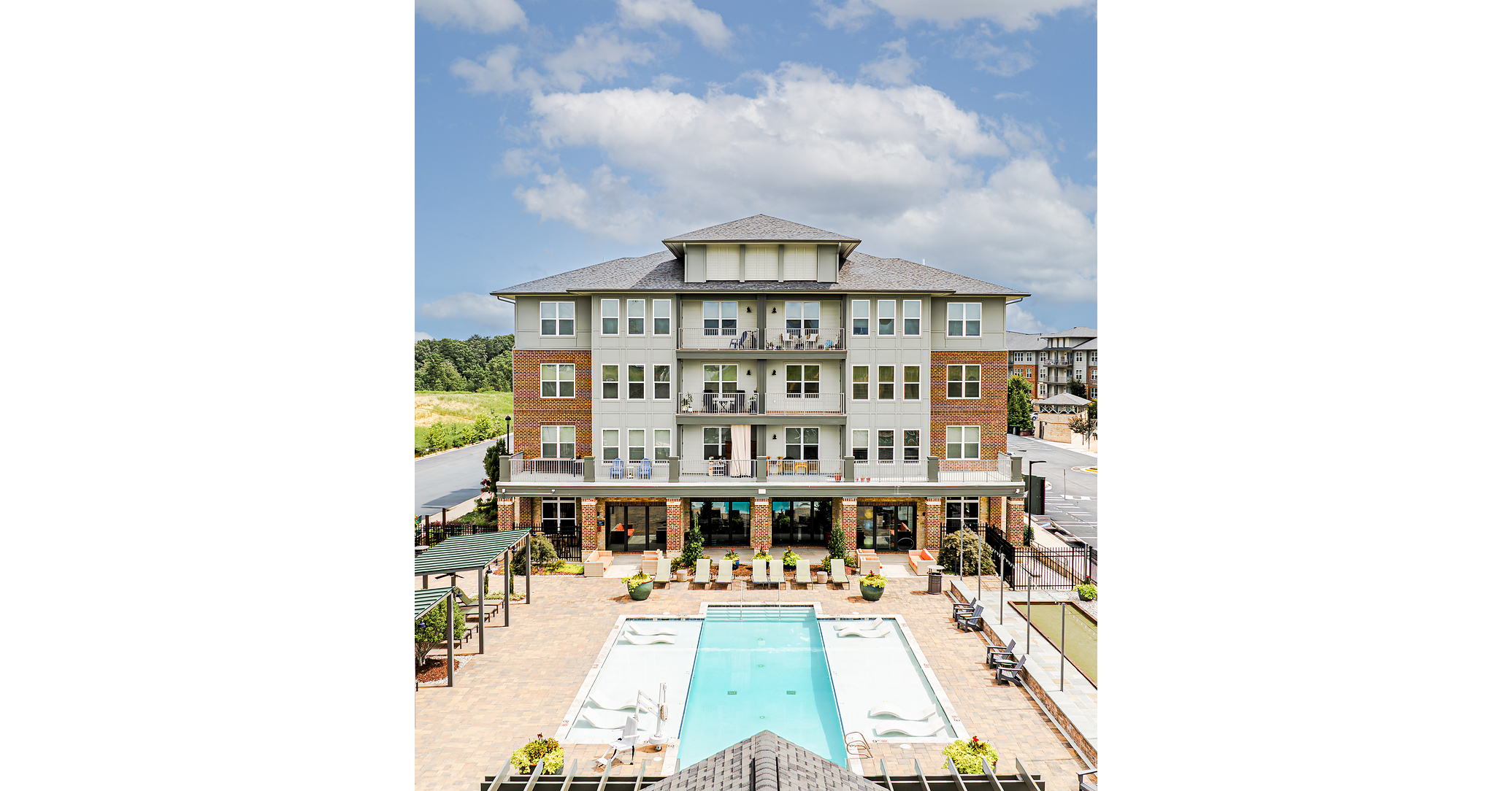
Hamilton Zanze contributed two multifamily properties—192-unit Ecco Apartments in Eugene, Oregon, and 240-unit The Kingson in Fredericksburg, Virginia—to its HZ Evergreen Fund. The additions lift the fund to 12 properties across six states, with net asset value above $340 million and gross asset value exceeding $800 million. The Virginia acquisition establishes an East Coast presence, while the fund continues targeting a 50-property institutional-quality multifamily portfolio.
Analysis
This is a private-market portfolio reallocation rather than a public-markets earnings catalyst; it does not independently validate property values, occupancy, rent growth, or debt-service coverage. The relevant signal is that an evergreen vehicle is absorbing stabilized multifamily assets, which can reduce forced-sale supply at the margin in secondary Sun Belt/Pacific Northwest markets—but the disclosed portfolio scale is too small to alter listed REIT fundamentals.
The non-obvious risk is liquidity mismatch. Semiannual NAV redemptions can become problematic if multifamily cap rates widen or investor withdrawals rise, because reported NAV typically adjusts more slowly than transaction-market clearing prices. Older average portfolio vintage also raises recurring capex exposure—roofs, HVAC, interiors and insurance—just as rent growth for Class B assets is more vulnerable to new Class A supply and renter affordability constraints.
For public equities, the closest read-through is modestly constructive for apartment REIT transaction liquidity, not NOI. AVB, EQR and UDR retain stronger balance sheets and lower-cost capital than private buyers; a sustained recovery in private capital demand could improve asset values and reduce their implied-NAV discounts over 6-18 months. Conversely, Oregon and Northern Virginia-specific exposure is not sufficiently material to support a directional trade in listed landlords.
Consensus may overstate the attractiveness of 'predictable' multifamily income if private NAV marks lag refinancing reality. The key falsifier for the cautious view is evidence of arm's-length apartment transactions clearing at stable-to-lower cap rates alongside flat or improving debt spreads; absent that, private-fund fundraising is a weak indicator of realizable asset values.
AllMind Terminal
AI-powered research, real-time alerts, and portfolio analytics for institutional investors.
Request TrialMarket Sentiment
Overall Sentiment
moderately positive
Sentiment Score
0.42
Key Decisions for Investors
- No standalone trade on this release; treat it as a low-signal private-market liquidity datapoint rather than a catalyst for public REITs.
- Maintain a 6-18 month quality tilt toward AVB and EQR versus highly levered private multifamily owners: their balance-sheet flexibility creates acquisition optionality if redemption pressure produces discounted assets. Reassess if apartment transaction cap rates tighten by more than 50bp or same-store NOI guidance weakens materially.
- Monitor quarterly apartment transaction volumes, cap-rate disclosures and CMBS/multifamily loan spreads over the next 1-3 months. A rise in transactions with stable pricing would support adding listed apartment REIT exposure; wider loan spreads or redemption gates would favor remaining underweight lower-quality multifamily proxies.
- Avoid using student-housing or regional-bank positions as a proxy for the Eugene/Fredericksburg assets; the asset-level exposures are immaterial and have no demonstrated earnings transmission to listed securities.
More News
- South Korean solar stocks jump as curbs on Chinese sector expected to remain in place
- How Kevin Warsh’s rate hike exposed a 2-speed U.S. economy, with AI and housing at the poles
- China Vanke shares surge on report of regulatory debt intervention
- Meta is breaking out after introducing Muse AI agent. Where the stock is going, according to the charts
- Heidi CEO on AI in Healthcare, $900M valuation
- Anthropic in talks to lease 1 gigawatt from Stream Data Centers- The Information