
Levoit Enters Dehumidifier Category with Its First-Ever Model, Earning ENERGY STAR® Most Efficient Recognition
Source: PR Newswire
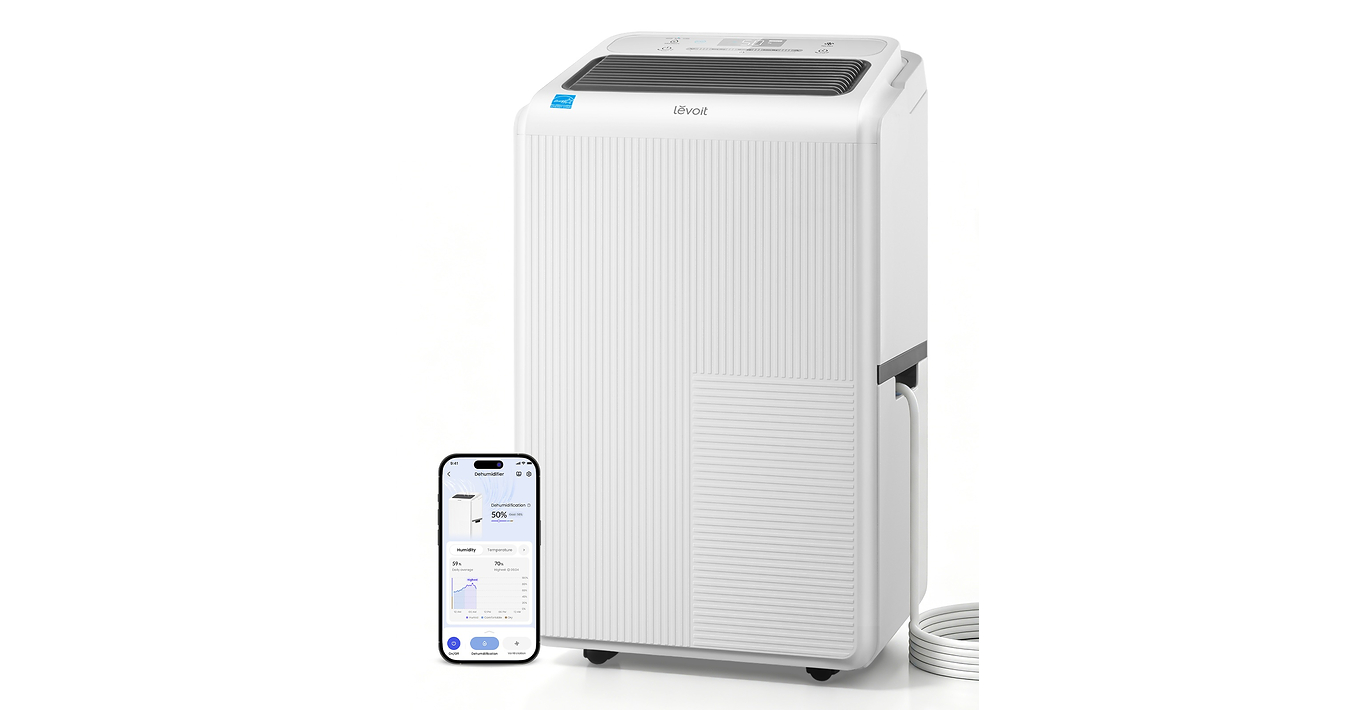
Levoit launched the Smart Dehumidifier for $299.99, targeting large spaces (up to 4,500 sq ft) with up to 84 pints/day moisture removal. It claims a 2025 ENERGY STAR Most Efficient rating with an IEF of 1.88, plus hands-free drainage via a removable pump with up to 10 feet of elevated drainage. No financial results or guidance were provided, so near-term impact is likely limited to consumer demand at launch.
Analysis
This is less a one-off appliance launch than a test of whether a connected-home brand can extend into a higher-ticket, lower-frequency category without degrading its pricing power. The only public-market read-through is AMZN: if the product gets traction, the real economic benefit is not unit sales but search share, sponsored placement, and accessory replenishment that can lift lifetime value well beyond the initial box sale. That said, this is likely immaterial at the consolidated level unless the launch starts showing up in Amazon rank data and review velocity within the next 1-3 months.
The competitive angle is that smart features are only a moat if they reduce returns and drive repeat attach; otherwise they are just ad-copy on a commoditized product. Broad-line retailers like TGT are structurally disadvantaged versus marketplace search for this kind of purchase, but the signal is too small to move the stock absent evidence that smart-home appliances are taking share from legacy brands. Over 6-18 months, the real upside would come from an ecosystem effect: filter replacements, app lock-in, and cross-sell into other home-environment products.
Contrarian view: the market may overvalue the "smart" premium here. Dehumidifiers trade on reliability, noise, and service costs; if field quality slips, returns and negative reviews will erase any pricing benefit quickly. The falsifier is simple: if Amazon conversion is weak or review scores/returns deteriorate into the first seasonal demand window, this becomes a margin drag via advertising rather than a growth lever.
AllMind Terminal
AI-powered research, real-time alerts, and portfolio analytics for institutional investors.
Request TrialMarket Sentiment
Overall Sentiment
mildly positive
Sentiment Score
0.15
Ticker Sentiment
Key Decisions for Investors
- No immediate trade in AMZN, TGT, STRR, or TSTS; wait 2-4 weeks for Amazon rank, review, and return-rate data before expressing a view.
- If Amazon category traction is confirmed, consider a small tactical long AMZN versus flat benchmark for 1-3 months; target only modest outperformance, since the revenue contribution is likely de minimis.
- Do not force a short in TGT on this headline alone; the read-through to physical retail is too indirect unless broader home-appliance weakness appears in upcoming comp data.
- Set an alert on seasonal sell-through and review scores; if quality metrics deteriorate below acceptable thresholds, fade any enthusiasm around the category with a short-dated AMZN hedge rather than a structural short.
More News
- Alphabet’s chief investment officer responds to Jefferies warning that the most likely outcome of the AI boom is massive U.S. capital destruction
- SpaceX’s ambitious, expensive gamble to replace AT&T, T-Mobile, and Verizon
- Neocloud Stock Collapse: Buying Opportunity or Run for the Hills?
- Amazon wants you to Bee-lieve wearable AI can recall it all for you
- EU cloud sovereignty law could cost Europe €115bn, US tech lobby study says
- Should you Buy Amazon Stock Before October 29? History Has a Clear Answer.
From AllMind Research
- Anthropic IPO Preview: Valuation, Timing, and What to Watch
- Shein After the IPO: Venue, Valuation, and What Must Be Proved
- What AI Research Tools Should a Small Hedge Fund Buy First?
- Run Cost-Controlled Financial Research in AllMind Agent Studio
- State of Public Markets, June 2026: Higher for Longer Meets the AI Supercycle