
Smart City Expo 2026 closes after showing the real impact of urban solutions
Source: PR Newswire
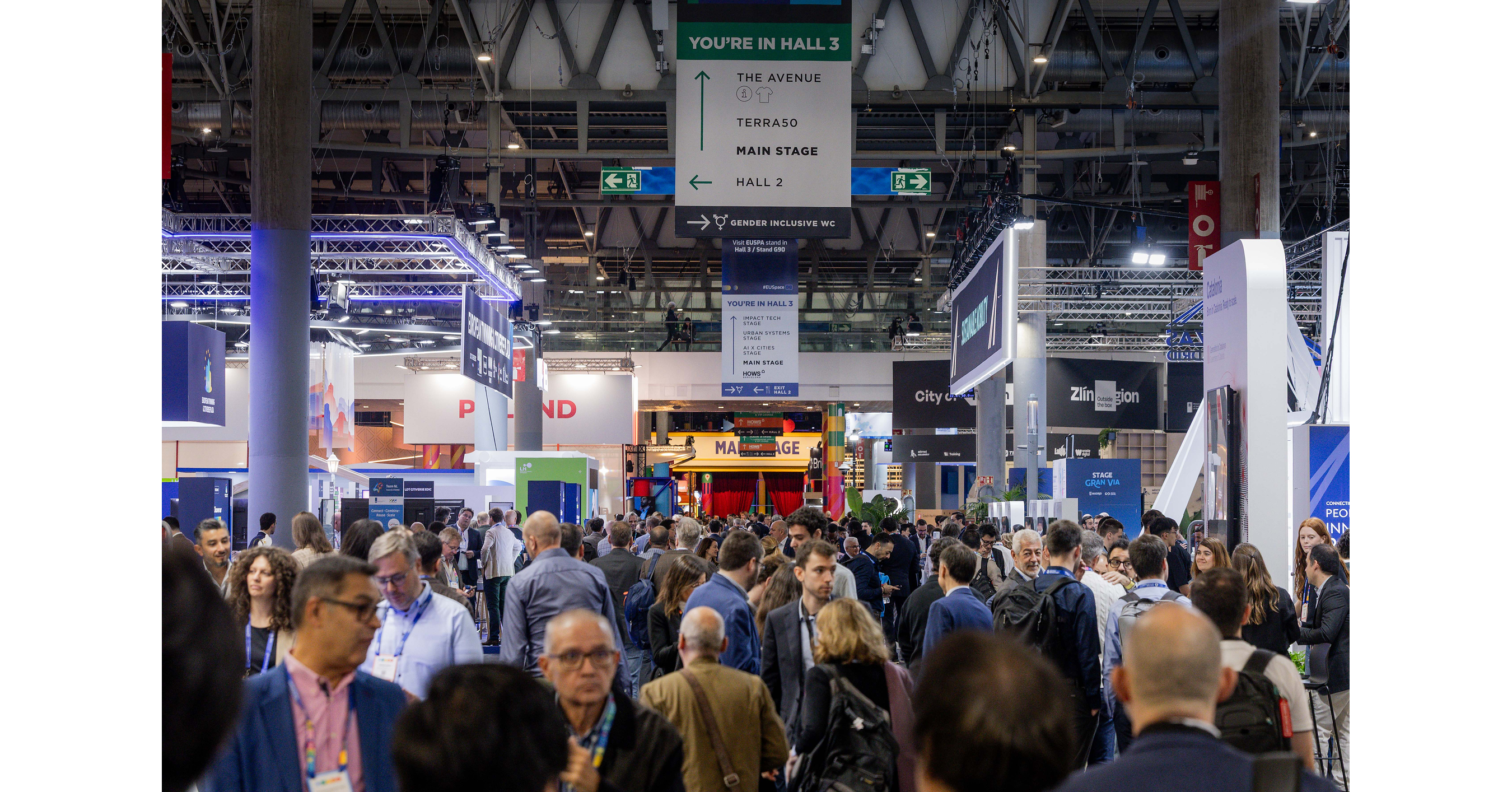
Smart City Expo World Congress concluded its 15th edition in Barcelona with 29,721 attendees from 140 countries and 1,276 exhibitors, showcasing urban technology for challenges including affordable housing, climate change and mobility. Tokyo received the 2026 Smart City Award for “C³ Powering Tokyo,” its resident-centered digital and AI transformation model. The event is scheduled to return November 2–4, 2027.
Analysis
The event is a weak demand signal, not evidence of incremental orders. The investable mechanism is whether municipal interest converts into funded procurement: budget approvals, tenders, contract wins and deployments. If it does, spending could benefit systems integrators and vendors spanning cloud/AI, connectivity, geospatial software, cybersecurity and environmental services. It may also favor incumbents able to integrate systems over point-solution startups, since cities face interoperability, privacy and implementation constraints. But the release provides no contract values, award pipeline, or independently verified deployment outcomes; attendance and exhibitor counts should not be treated as revenue indicators.
Near term, there is no clear catalyst for a broad smart-city trade. Over 1–3 months, monitor municipal budget cycles and disclosed contract awards, particularly whether pilots become multi-year deployments. Over 6–18 months, fiscal capacity, procurement delays, data-governance rules and evidence of measurable savings will determine whether AI-enabled urban services scale. A downside path is that enthusiasm yields pilots without recurring budgets, leaving vendors with long sales cycles and implementation costs but limited monetization.
Contrarian angle: the conference’s optimistic framing may understate execution friction. The likely winners are not necessarily the most visible AI vendors; integration capability, trusted data handling and procurement access may matter more than model performance. Tokyo’s award is recognition, not evidence of a commercial endorsement or a replicable revenue opportunity. The article supports thematic diligence, not an event-driven position.
AllMind Terminal
AI-powered research, real-time alerts, and portfolio analytics for institutional investors.
Request TrialMarket Sentiment
Overall Sentiment
mildly positive
Sentiment Score
0.20
Key Decisions for Investors
- No trade on the conference announcement alone; avoid treating attendance, exhibitor participation or the Tokyo award as a near-term earnings catalyst.
- Set a 1–3 month watchlist for disclosed municipal contracts and budget approvals involving named participants such as Microsoft, NVIDIA, Deutsche Telekom, Veolia and FCC Enviro. Verify contract value, deployment scope, duration and whether revenue is incremental before underwriting exposure.
- For a thematic screen, compare integrated infrastructure and software providers with point-solution vendors; prioritize evidence of repeat deployments, procurement wins and recurring service revenue over pilot announcements.
- Falsify the scaling thesis if municipal awards remain pilot-sized, procurement timelines extend, or company disclosures show no conversion from pipeline to contracted revenue over the next 6–18 months.
More News
- Further turmoil could be in store for tech stocks. What to watch in the week ahead
- Tech stock rout, driven by US AI fears, continues in Asian trading
- Asian Markets Tally Losses From Worsening Global Rout
- AI’s Grip on Financial Markets Was Never Clearer on the Way Down
- Elon Musk once said the Cybertruck would be Tesla’s ‘best product ever.’ Now he’s winding down production
- AI stocks hammered by midterm shock as data center buildout becomes a 'war of attrition'