
TCL X5 Commercial energy storage system is now available in Europe, open for order
Source: PR Newswire
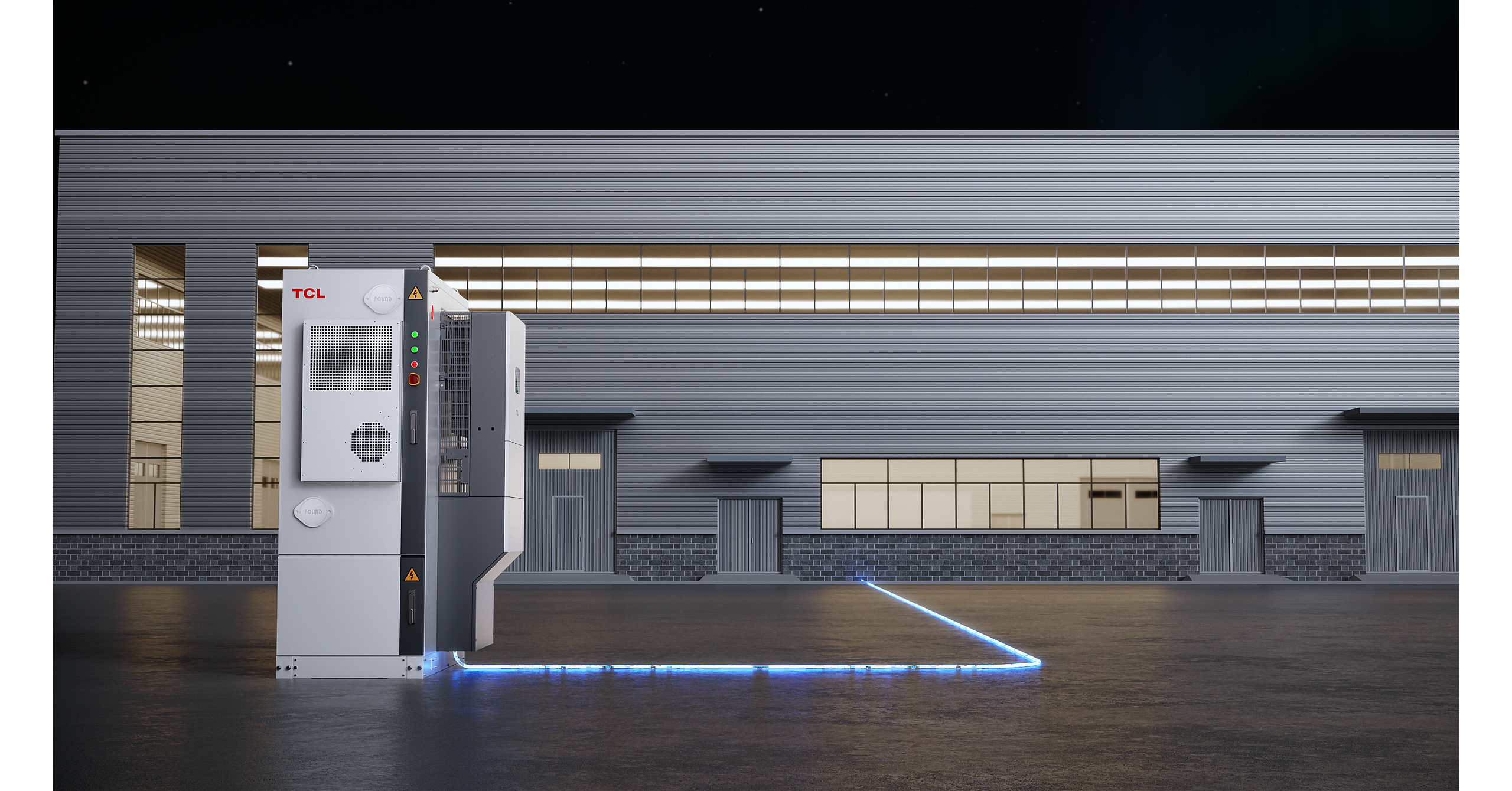
TCL SunPower launched its X5 commercial-and-industrial energy storage system across Europe, featuring an integrated 50kW hybrid inverter and 50kWh/100kWh base configurations scalable to 400kWh. The factory-assembled, pre-wired design is estimated to cut last-mile transport and installation costs by up to 60% versus on-site-assembled systems. TCL plans to expand its European C&I storage portfolio to megawatt-scale solutions over the next 12 months, targeting small and medium businesses that need more than residential storage but less than custom-engineered battery systems.
Analysis
This is strategically more relevant to European inverter and distributed-storage incumbents than to a standalone equity catalyst for SPWR. A pre-integrated offering targets the installation-labor bottleneck in sub-MWh C&I projects, where soft costs, electrician availability and permitting complexity can exceed hardware differentiation. If the claimed installation-cost advantage is realized, pressure should fall first on component-led vendors such as SMA Solar (S92) and SolarEdge (SEDG), whose channel economics rely more heavily on installers integrating separate equipment; Tesla Energy, BYD and CATL remain better positioned in larger, procurement-driven projects where bankability and cell pricing dominate.
The near-term financial read-through is uninvestable without verified European order intake, distributor commitments, warranty terms and installed-cost data. Product launches in C&I storage commonly create channel inventory before end-customer commissioning, so the relevant 1-3 month catalyst is evidence of paid deployments and repeat installer orders rather than webinar demand. Over 6-18 months, a credible modular product could expand the addressable market for behind-the-meter peak shaving, diesel displacement and resilience, but falling European power-price spreads or tighter fire-safety/permitting rules would reduce project IRRs and impair adoption.
Contrarian view: the market may overestimate the importance of cabinet integration relative to financing and grid-interconnection delays. For many European SMEs, the binding constraint is not installation time but the ability to monetize flexibility, secure a grid connection, and finance a battery with a bankable long-duration warranty. The announced roadmap toward larger systems should therefore be treated as an execution risk, not an incremental revenue assumption, until third-party performance and service capability are demonstrated.
AllMind Terminal
AI-powered research, real-time alerts, and portfolio analytics for institutional investors.
Request TrialMarket Sentiment
Overall Sentiment
moderately positive
Sentiment Score
0.42
Ticker Sentiment
Key Decisions for Investors
- No directional SPWR trade: confirm the currently tradable listed entity, ownership structure and direct economic exposure to TCL SunPower before assigning any valuation impact; the disclosed information does not establish a measurable revenue or earnings contribution.
- Place SEDG and SMA Solar (S92) on a 1-3 month competitive-risk watchlist. Consider a tactical underweight only if European distributors show measurable order conversion and quoted installed-system pricing undercuts comparable inverter-plus-battery configurations by more than 15%; falsify on weak commissioning data or unchanged channel pricing.
- For broad European storage exposure, prefer a watch rather than a new long in FLNC or battery manufacturers until merchant power spreads and C&I project financing improve. The product category is supportive for storage volumes, but low-cost integrated entrants can compress system-level margins for incumbent integrators.
- Monitor European grid-connection queues, demand-response/VPP compensation and fire-safety regulation through year-end. Improving flexibility payments would be the stronger catalyst for distributed-storage adoption than product specifications; adverse permitting changes would invalidate the demand-expansion thesis.
More News
- Dollar at 17-month high as global bond rout hits euro
- Trump says US may ask Europe to release diesel reserves
- Trump launches midterms campaign blitz amid record low approval ratings
- Latest Oil Market News and Analysis for Oct. 2
- US borrowing costs hit 24-year high as global bond sell-off intensifies
- Oil holds gains as U.S. weighs more Middle East military presence