
Niutech lanzará una línea de pirólisis de residuos plásticos para producir SAF
Source: PR Newswire
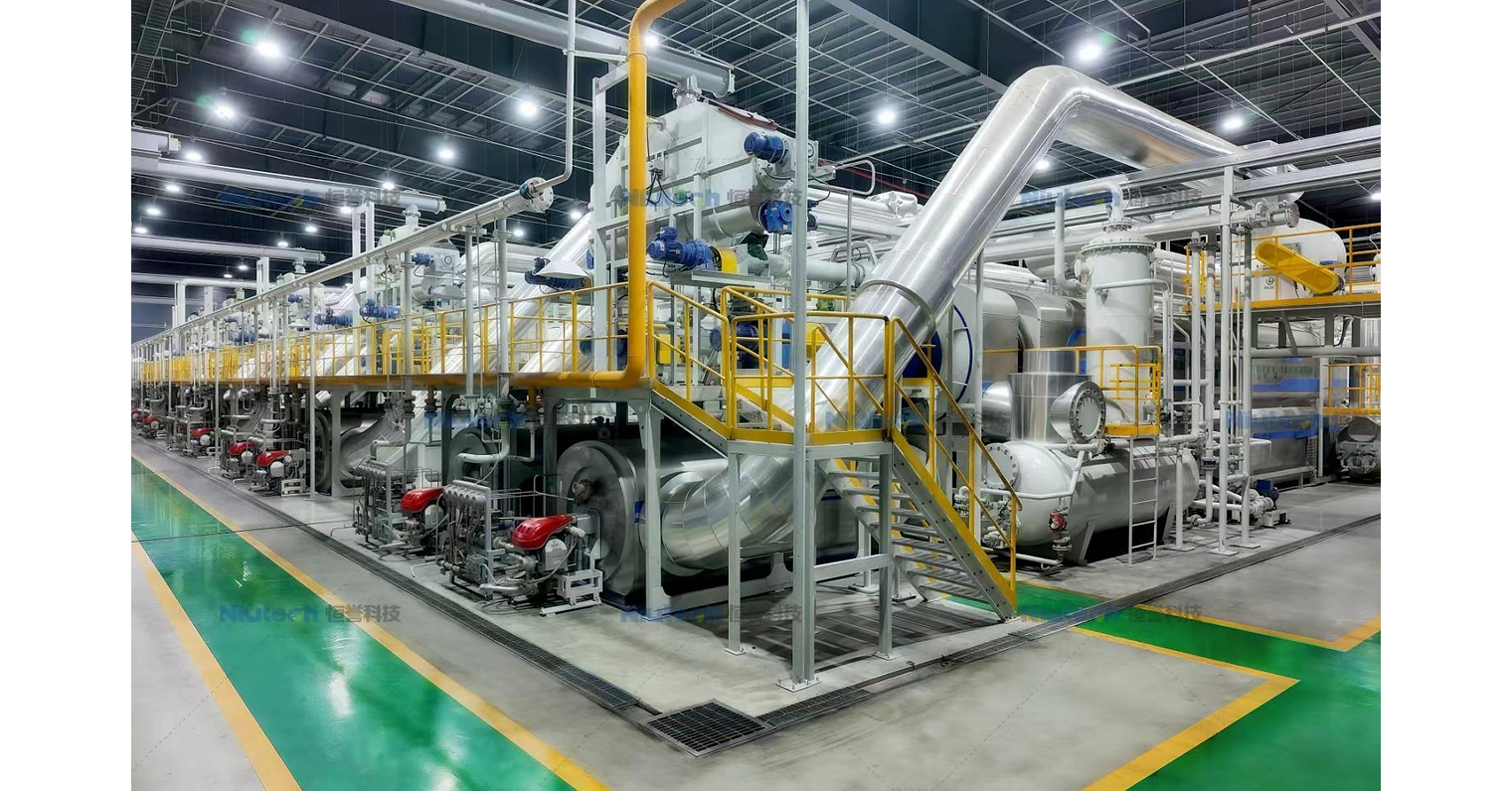
Niutech firmó un contrato de venta para una línea industrial continua de pirólisis de residuos plásticos con capacidad de 10.000–50.000 t/año, para modernizar una refinería del cliente y producir SAF hidrotratado (ruta aceite de pirólisis → SAF). El artículo destaca que el marco ReFuelEU de la UE exige 2% de SAF en 2025, 6% en 2030 y 70% en 2050, y que la conversión de plásticos (PP/PE/PS/ABS/nailón) evita pretratamientos complejos como lavado y secado. El anuncio es una expansión relevante del posicionamiento de Niutech en la cadena del cliente y una señal de demanda asociada a la descarbonización de la aviación.
Analysis
This is not a meaningful direct read-through for GOOGL; the investable signal is in who captures the margin stack if plastic-to-SAF moves from demo to repeatable deployment. The economic winners are likely integrated refiners with existing hydroprocessing units, cheap hydrogen access, and the balance sheet to finance retrofits; the losers are the current crop of SAF producers dependent on tight UCO feedstocks and high policy credits. The market should treat this as a validation event for the process, not as evidence of a step-change in supply.
The bottleneck is not the pyrolysis reactor itself but project execution: contaminant handling, hydrogen intensity, certification, and offtake financing. Over the next 1-3 months, the key catalyst is whether this converts into named backlog, deposits, and EPC awards; without that, it is just another climate-tech press release. Over 6-18 months, repeated orders from large refiners would support a modest rerating for incumbents with hydrocracker optionality, while pure-play waste-to-fuel vendors remain high risk until actual cash conversion is visible.
Contrarian view: consensus is likely overestimating how quickly mixed-plastic-to-SAF can scale and underestimating how much it competes with mechanical recycling and other waste-to-energy pathways for the same policy capital. If crude/jet cracks weaken or subsidy support softens, project IRRs can compress fast and these deals get deferred. The thesis is falsified if we do not see follow-on orders in the next 1-2 quarters or if SAF policy credits widen less than expected; that would argue the market should fade the decarb narrative rather than pay up for it.
AllMind Terminal
AI-powered research, real-time alerts, and portfolio analytics for institutional investors.
Request TrialMarket Sentiment
Overall Sentiment
mildly positive
Sentiment Score
0.25
Key Decisions for Investors
- No trade in GOOGL: treat this as zero direct fundamental read-through unless management commentary links energy-transition spending to cloud demand.
- Watchlist trade: if additional refinery retrofit wins are announced within 1-2 quarters, consider a long CVX/XOM basket versus short JETS into the next airline guidance cycle; SAF compliance costs would be a slow-burn headwind for carriers over 3-6 months.
- Do not chase small-cap waste-to-SAF equipment names on press-release momentum; wait for audited backlog, deposits, and revenue conversion before establishing any long exposure.
- Set an alert on UCO and SAF credit spreads: if feedstock premiums or policy credits widen meaningfully for 2 consecutive months, re-evaluate a defensive short in airline names or a relative long in integrated refiners.
- If oil/jet fuel prices roll over or policy support weakens, fade the whole thematic basket; the long-duration decarb story is highly sensitive to financing costs and policy timing.
More News
- CoreWeave credit default swaps hit distress levels as investors sour on AI debt
- Treasuries Soar as Tech Slump Threatens Growth
- Brian Sullivan: Why the 'real' price of oil is likely $30-$40 higher than where it is now
- Penske Automotive agrees to be taken private by Penske, Mitsui
- Latest Oil Market News and Analysis for Oct. 16
- Supermicro promised a new CFO in December 2024. A $2.5 billion smuggling case and a co-founder’s arrest later, it has one