
VZMORE Introduces V-Cooling™ Vapor Chamber Thermal Architecture for Mini PCs
Source: PR Newswire
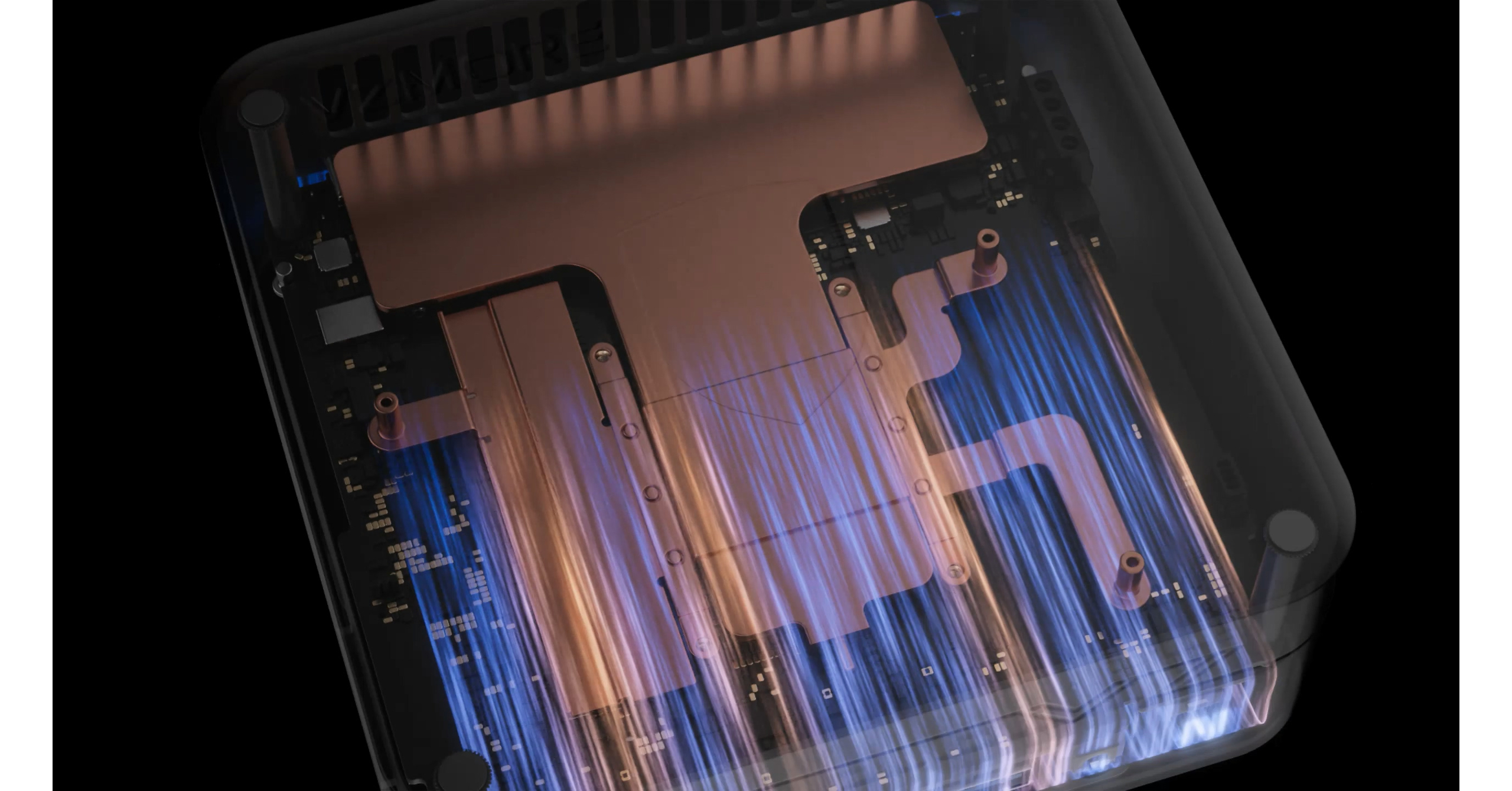
VZMORE introduced V-Cooling™, a vapor-chamber thermal architecture for Mini PCs that it says increases heat-spreading area by approximately 40% and thermal-conductivity efficiency by approximately 50% versus conventional dual-heat-pipe designs. The company claims high-load noise levels of about 38 dB, roughly 12 dB below some conventional Mini PCs, while supporting performance output of up to 80W. The cooling module costs about three times a standard dual-heat-pipe solution, positioning the product around premium performance, acoustics and reliability.
Analysis
This is not independently investable news: an unlisted brand’s thermal-performance claims lack disclosed unit volumes, bill of materials, ASP, channel reach, or warranty data. The claimed cost step-up is economically important because mini-PC buyers are highly price-sensitive; absent a meaningful ASP premium or lower return rates, cooling-led differentiation is more likely to dilute gross margin than create a durable moat.
The broader read-through is modestly constructive for vapor-chamber and thermal-interface supply chains only if compact AI/edge-PC workloads drive sustained demand rather than benchmark-driven marketing. Listed beneficiaries with relevant exposure include Auras Technology (3324 TT), AVC (3017 TT), and Delta Electronics (2308 TT), while OEMs using compact form factors could face incremental component-cost pressure if higher thermal design power becomes table stakes. Intel (INTC) and AMD should see little direct impact unless this signals broader adoption of higher-wattage processors in mini PCs.
Over the next 1-3 months, watch whether comparable systems launch at a measurable ASP premium and whether reviews verify sustained clock speeds, surface temperatures, and acoustics under standardized loads. A 6-18 month structural opportunity exists only if local AI inference materially raises compact-PC thermal requirements; otherwise, conventional heat-pipe designs remain cheaper and adequate. The thesis is falsified if channel pricing shows discounting, teardown estimates reveal no material thermal BOM increase, or independent testing fails to demonstrate sustained-performance advantages.
AllMind Terminal
AI-powered research, real-time alerts, and portfolio analytics for institutional investors.
Request TrialMarket Sentiment
Overall Sentiment
mildly positive
Sentiment Score
0.32
Key Decisions for Investors
- No position in response to this release; treat it as a watch item rather than a catalyst given the absence of a listed issuer, financial disclosures, or independently verified performance data.
- Monitor Auras Technology (3324 TT) and AVC (3017 TT) for quarterly vapor-chamber revenue mix, utilization, and gross-margin commentary; consider a basket long only if management confirms PC/edge-device demand is offsetting smartphone-cycle volatility over the next 1-2 earnings reports.
- For INTC and AMD, track mini-PC channel sell-through and processor TDP mix rather than product-launch headlines. A sustained shift toward 65W-80W compact systems could marginally improve higher-end CPU mix, but it is not currently material enough to alter estimates.
- Set an alert for independent reviews showing at least 10-15% sustained-performance improvement at a less than 5% retail-price premium versus heat-pipe peers; that combination would support a more credible thermal-component adoption thesis. A larger premium would instead signal margin risk and limited mass-market penetration.
More News
- Taiwan benchmark Taiex rises to record intraday high as tech stocks advance
- AMD joins the $1 trillion club as chip rally surges - our AI Strategy saw it early
- Here's who we know is going to the Trump-Xi dinner so far
- +17% in a single session: This AI-picked stock catches a data-center breakout
- Asia stocks rise tracking U.S. tech rally; Trump-Xi meeting eyed
- Perpetual underdog AMD nips at Nvidia's heels as it joins the $1T club