
DJI Redefines the Premium Smart Cleaning Experience with Global Launch of ROMO 2 Series
Source: PR Newswire
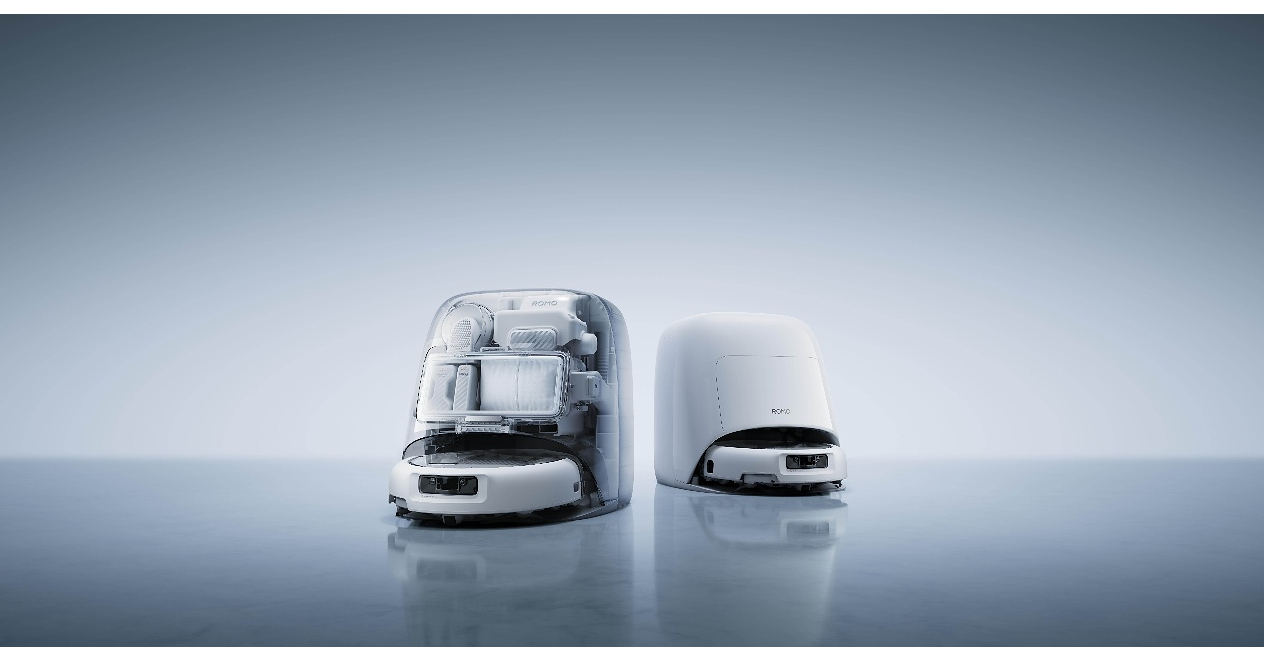
DJI launched the ROMO 2 robot vacuum and mop series (ROMO P2 and ROMO A2), featuring millimeter-level obstacle sensing, an AI-driven cleaning approach, and a 123° ultra-wide swing arm with improved under-furniture reach. The new self-cleaning base station is claimed to support up to 365 days of maintenance-free operation and reduce noise energy by up to 85% (as low as 38 dBA during mopping), alongside 55W fast charging (full charge in 2.5 hours). DJI also introduced a “Local Data Mode” for home robotics privacy controls, with availability scheduled for Q4 2026, suggesting a favorable product upgrade but limited near-term financial market impact.
Analysis
This is more a category signal than a standalone earnings event: DJI is trying to move consumer robotics from “spec sheet race” to “trust + autonomy” branding. If the product actually clears launch-day reviews, the first-order pressure is on premium incumbents that compete on navigation quality and convenience, not on price alone; that argues for relative multiple compression in IRBT and, to a lesser extent, any home-robotics SKU mix inside broader appliance names. The bigger second-order effect is channel power: premium smart-home retailers may use a new entrant to renegotiate vendor terms, which can widen promo intensity across the category.
The near-term tradeable window is 1-3 months, not days, because a press release does not tell us sell-through, return rates, or whether the company can sustain support/software updates outside its core drone ecosystem. What matters for the public comps is whether reviewers validate obstacle avoidance and mop performance versus incumbents; if not, the launch becomes another feature announcement with no durable share shift. For TGT, the implication is mostly indirect: any incremental premium appliance traffic is likely offset by lower category gross margin if DJI forces promotional competition.
Contrarian view: the market may be overestimating how much consumers pay for AI when the purchase decision is really driven by reliability, service, and replacement parts. In home robotics, hardware quality matters, but app stability and after-sales support usually determine long-run share; that favors incumbents with entrenched service networks, even if their product stack looks less impressive on launch day. The thesis is falsified if DJI lands broad U.S./EU retail distribution and review scores translate into materially better sell-through versus IRBT and SN by the next holiday reset.
AllMind Terminal
AI-powered research, real-time alerts, and portfolio analytics for institutional investors.
Request TrialMarket Sentiment
Overall Sentiment
mildly positive
Sentiment Score
0.20
Key Decisions for Investors
- Watchlist, not immediate trade: wait for October channel checks and third-party reviews before sizing any short in IRBT; the risk/reward is only attractive if DJI shows real sell-through, not just press-release hype.
- Relative-value idea: short IRBT against a small long in XLY or consumer discretionary basket to isolate category-share risk while reducing macro noise; reassess after first 30-45 days of retail data.
- For TGT, treat this as a marginal merchandising positive but not a thesis changer; no standalone position unless premium home/robotics units are showing unusual velocity in quarterly scan data.
- If we see review scores and retailer replenishment indicating strong demand, consider a tactical short in SN into the holiday reset, as premium hardgoods competition could increase promo pressure and compress category gross margin.
More News
- Costco Wholesale Has Fallen More Than 10% From Its Peak Before. Here's What History Says Happens Next.
- Ember’s new temperature-controlled mug makes my nightly tea ritual even better
- Get Help With Holiday Spending: Best Credit Card Bonuses This Week, Oct. 17, 2026
- AI stocks plunge. Inflation heats up. Where we're still finding opportunities
- Bending Spoons wants to revive software castoffs. Berkshire is backing the plan
- AI rapidly improving, could vastly boost U.S. GDP, Anthropic's Clark tells policymakers
From AllMind Research
- Anthropic IPO Preview: Valuation, Timing, and What to Watch
- Shein After the IPO: Venue, Valuation, and What Must Be Proved
- What AI Research Tools Should a Small Hedge Fund Buy First?
- Weekly Update: Unstructured Data Search, Ask AI, and Advanced Futures Data
- Best AI Stock Research Tools for Professional Investors