
Huawei a partneři z oboru nastolují na 10. globálním summitu o energetické účinnosti v oblasti ICT cestu od spotřebitele energie k aktivnímu spotřebiteli
Source: PR Newswire
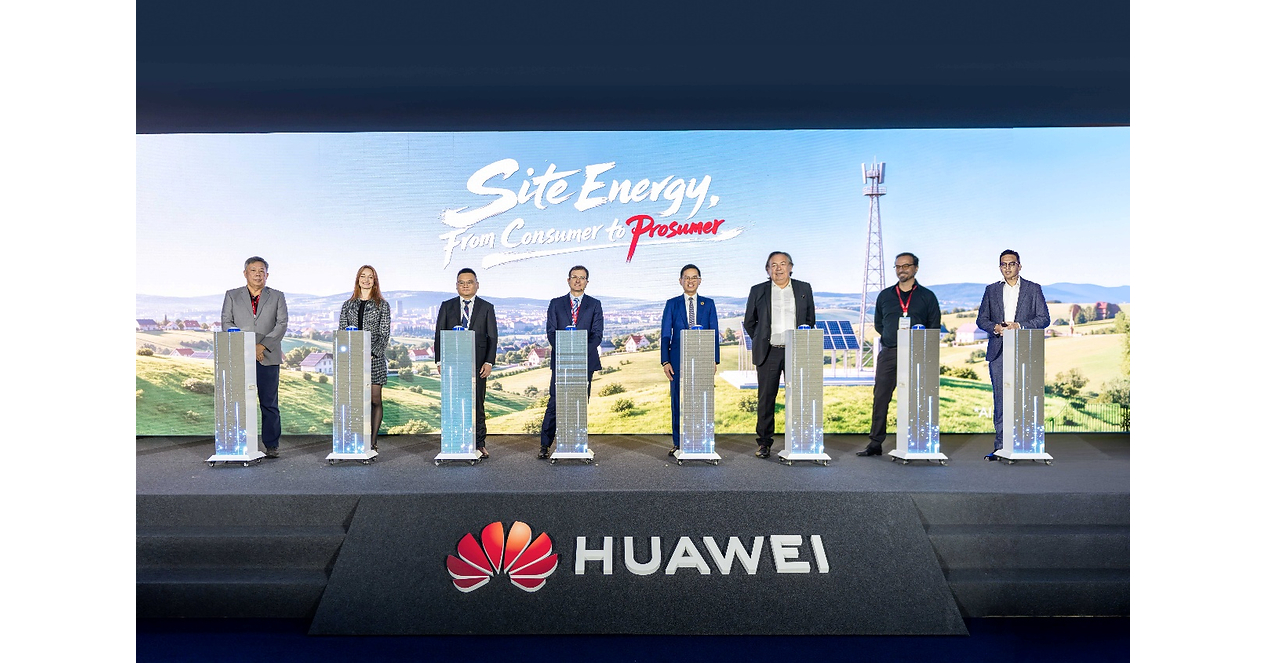
Huawei's 10th Global ICT Energy Efficiency Summit said telecom sites could become active energy prosumers using solar, storage and virtual power plants (VPPs). The article reports combined solar-and-storage costs below $0.04/kWh and, for European site-level VPP deployments, roughly three-year average ROI and about €800 in annual revenue per site. Cited examples include up to 12 hours of critical-service continuity during a Portugal outage and 86% of rural Southeast Asian sites reaching zero diesel consumption within 24 months; these are deployment claims, not reported company-wide results.
Analysis
The investable signal is not the headline ROI claim; it is the possibility that telecom-site batteries become dispatchable assets and earn additional revenue from grid services. If market rules permit aggregation and revenue stacking, this could improve payback for storage and control systems while creating a new flexibility source for power markets. But the cited site-level returns are company-promoted examples, not evidence of material earnings for any listed operator: verify the capex base, realized revenues, battery degradation, and whether revenues are net of aggregator fees.
Near term (days to weeks), little basis for a broad sector move. Over 1–3 months, track European market-rule changes, operator procurement, and disclosed pilots with independently measured economics. Over 6–18 months, successful standardization could benefit storage, power-management, and aggregation providers; conventional generators may face modest pressure during peak periods, though telecom sites alone are unlikely to shift market-wide prices. Operators also take on integration and uptime risks: batteries dispatched for grid income must retain enough reserve for service continuity.
Contrarian view: the “active consumer” framing may overstate a small, distributed revenue pool. The binding constraint may be market access, aggregation costs, and control rights—not battery cost. Treat Huawei’s cited payback and revenue figures as hypotheses pending third-party validation. With no company identities or tickers supplied and no evidence of scaled deployments, prefer a watchlist over a directional sector trade.
AllMind Terminal
AI-powered research, real-time alerts, and portfolio analytics for institutional investors.
Request TrialMarket Sentiment
Overall Sentiment
mildly positive
Sentiment Score
0.35
Key Decisions for Investors
- No immediate broad trade: the information is promotional and does not establish earnings materiality for public telecom operators or power companies.
- Set an alert for European telecom operators and tower companies that disclose VPP deployment, with emphasis on realized net revenue per site, total installed cost, aggregator fees, and battery replacement/degradation assumptions.
- Watch storage and energy-management suppliers for confirmed multi-operator awards and repeat deployments; avoid treating summit participation or pilot announcements as booked demand.
- Falsify the adoption thesis if disclosed projects fail to show positive net economics after integration and maintenance costs, or if grid-market rules restrict aggregated batteries from participating in flexibility services.
More News
- Elon Musk says SpaceX and Tesla exploring largest merger in history
- Jio’s Record $3.2 Billion IPO Puts India’s Market Muscle to the Test
- Asia stocks rebound as SpaceX, Super Micro results lift chipmakers
- Australian data center operator NextDC's shares plunge 40% after it slashes earnings forecast
- Neoclouds Lose Silver Lining as Elice, CoreWeave Dive: Evening Briefing Americas
- Nickel Extends Rebound on Prospect of Indonesian Production Cuts