
A Deal on Hormuz Could Be Just Days Away
Source: Bloomberg
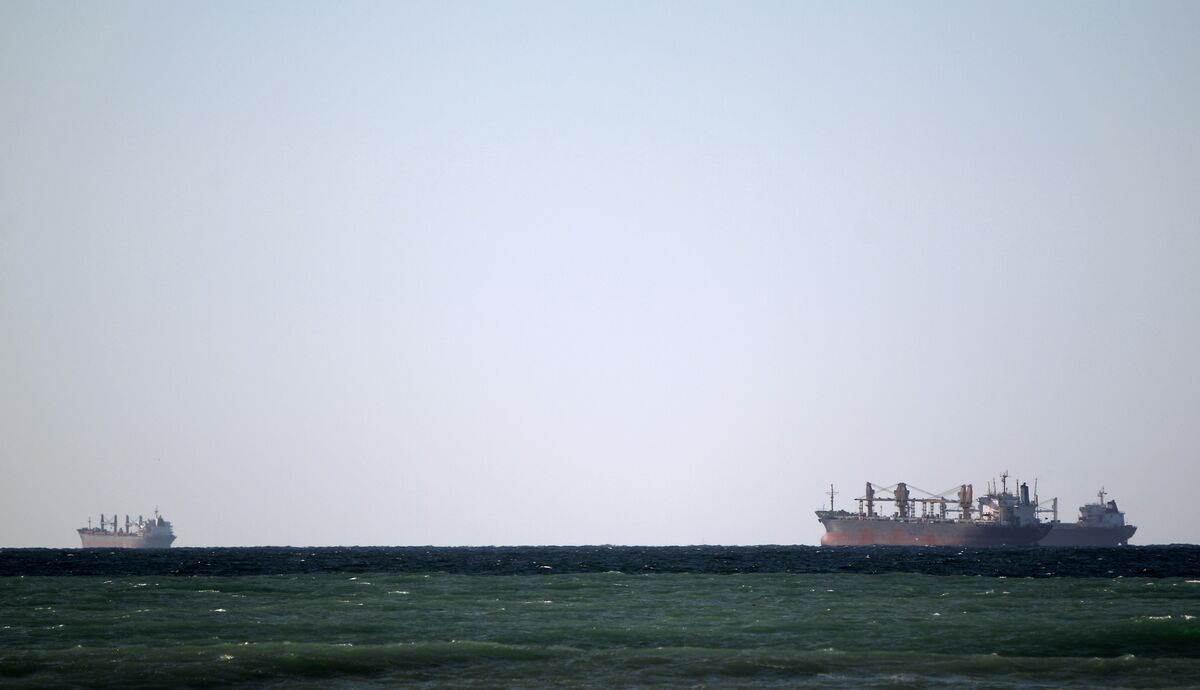
Iran said an agreement with Oman to manage shipping through the Strait of Hormuz could be finalized within days, including a temporary safe transit route. The deal could increase Tehran’s control over a critical chokepoint for global energy shipments and heighten uncertainty over the US response. Any disruption or new restrictions around Hormuz could materially affect oil flows, tanker logistics and energy prices.
Analysis
The first market effect is likely a repricing of transit reliability rather than a durable outright oil-supply loss. A managed corridor can temporarily compress the crude risk premium if physical flows continue, while simultaneously raising freight, war-risk insurance, demurrage and inventory-carry costs; that favors tanker owners such as FRO, STNG and DHT more cleanly than broad upstream exposure. Refiners dependent on Middle Eastern barrels, particularly Asian complex refiners, face a margin squeeze if voyage delays force higher working-capital inventories or substitution into Atlantic Basin grades.
The non-obvious risk is that a nominally "safe" route creates a single controlled chokepoint: compliance disputes, inspection delays, or a security incident could rapidly turn an apparent de-escalation into a discontinuous freight and energy shock. Over the next days, Brent and front-month time spreads may soften if the market interprets the arrangement as flow-preserving; over 1-3 months, persistent insurance surcharges and slower vessel turns would tighten effective tanker supply even without fewer cargoes. A sustained disruption would also benefit US LNG exporters and shipping-linked names (LNG, GLNG), while hurting LNG importers and European gas consumers through higher spot volatility.
Consensus may over-allocate to an immediate long-oil expression. The better asymmetry is long transport optionality: tanker rates can rise on route friction while crude remains range-bound if barrels still clear the waterway. Falsify this thesis if quoted Gulf war-risk premia normalize, AIS vessel transit times remain unchanged for two weeks, and Brent calendar spreads do not tighten; conversely, a widening prompt Brent spread alongside fewer transits would warrant rotating from tankers into XLE and US E&P exposure.
AllMind Terminal
AI-powered research, real-time alerts, and portfolio analytics for institutional investors.
Request TrialMarket Sentiment
Overall Sentiment
mildly negative
Sentiment Score
-0.30
Key Decisions for Investors
- Initiate a 1-3 month long FRO / short XLE pair at modest size: FRO has direct sensitivity to higher vessel utilization and charter rates, while XLE needs a sustained crude-price move to outperform. Exit if Gulf transit times and insurance costs normalize within two weeks; target 10-15% relative outperformance with approximately 5-7% pair-risk.
- Buy STNG or DHT on confirmation that war-risk insurance premia or waiting times rise materially, rather than on the announcement alone. Use a 6-12 week horizon; the key catalyst is reduced effective tanker supply from delays, and the thesis fails if spot tanker rates remain flat despite elevated headlines.
- Maintain an alert to add XLE or a basket of FANG, DVN and EOG only if Brent backwardation steepens and physical-export evidence shows lower Hormuz throughput. This avoids paying for geopolitical premium that a functioning corridor may initially unwind; a break in prompt spreads would invalidate the supply-tightness signal.
- For LNG exposure, prefer a small tactical long LNG or GLNG only if Asian and European gas benchmarks decouple upward from Henry Hub. The risk/reward is favorable only after basis widening confirms cargo rerouting or supply insecurity; absent that confirmation, there is no trade.
More News
- Are global oil reserves sufficient to withstand renewed US-Iran war?
- EU entering winter with lowest gas reserves on record, IEA boss warns
- OpenAI Trims Target Value & Volvo Cars Cuts 2,500 Jobs
- Russia and Ukraine trade fresh strikes despite renewed push for U.S.-brokered peace talks
- U.S. oil holds above $100, Brent at five-month high as Iran says it’s prepared for warfare
- PG&E’s CEO says AI is ‘the best thing that could’ve ever happened to the grid’