
Seatrium et Karpowership célèbrent le départ du LNGT Türkiye et l'achèvement du programme de conversion de sept navires en FSRU
Source: PR Newswire
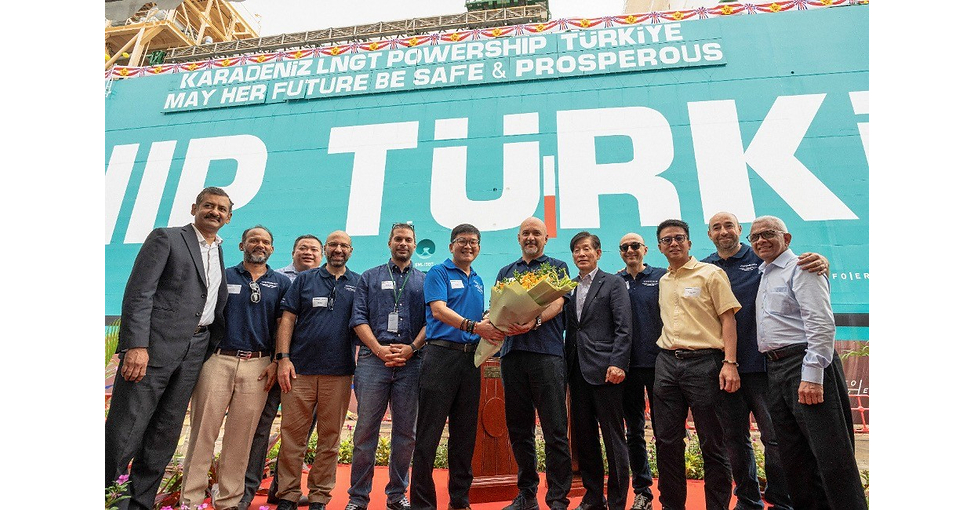
Seatrium and Karpowership completed the conversion and delivery of LNGT Türkiye, the seventh FSRU in a program launched in 2018 to convert LNG carriers for Karpowership's LNG-to-power fleet. The seven FSRUs will supply gas to floating power plants across four continents, supporting energy-security and grid-flexibility needs. The completion reinforces Seatrium's FSRU conversion capabilities and extends its collaboration with Karpowership toward next-generation Powership and offshore-energy projects.
Analysis
This is primarily an execution credential rather than an incremental earnings event: the completed program removes a visible repair/conversion revenue stream for Seatrium (SGX: S51), so the near-term equity implication depends on whether follow-on orders at Tuas Boulevard convert into firm backlog. The more important read-through is that successful complex conversions lower perceived delivery risk on future floating LNG, FPSO and offshore-power bids—supporting bid discipline and potentially reducing warranty/provision risk—but only if order terms preserve margins rather than merely fill yard capacity.
Karpowership’s integrated fuel-to-power model gains asset flexibility, but its economics remain more exposed to sovereign counterparty payment risk, LNG procurement spreads and host-country permitting than to vessel availability. Expanded FSRU capacity can improve its ability to monetize short-duration power shortages in emerging markets; second-order beneficiaries are LNG portfolio players and trading houses able to supply flexible cargoes, while conventional diesel/HFO generation suppliers face displacement where gas import infrastructure is the binding constraint.
Consensus may overvalue the claimed technical leadership without recognizing a cyclical issue: conversion work is lumpy, and floating-regas demand can be cannibalized by permanent onshore terminals once energy-security emergencies normalize. Over 6-18 months, the stronger structural catalyst is not this delivery but contract awards tied to Southeast Asian, African and Mediterranean grid shortages; the key falsifier is a declining S51 orderbook or materially lower repair/conversion margins despite utilization.
AllMind Terminal
AI-powered research, real-time alerts, and portfolio analytics for institutional investors.
Request TrialMarket Sentiment
Overall Sentiment
moderately positive
Sentiment Score
0.42
Key Decisions for Investors
- No immediate directional trade on this release; monitor SGX: S51 for a disclosed Tuas follow-on award, contract value and margin profile before initiating. A firm multi-year order that replaces the completed revenue stream would justify reassessing a 6-12 month long.
- Use S51 as a watch-list proxy for floating-energy infrastructure rather than LNG commodity beta. Enter only after backlog growth and repair/conversion margin stabilization are confirmed at the next results; exit a long thesis if management guides to lower yard utilization or materially higher project provisions.
- For liquid regional expression, prefer a selective long in LNG infrastructure/service exposure over broad LNG producers if new FSRU tenders emerge: the value accrues to conversion and regas capacity utilization, not necessarily to upstream gas prices. Require evidence of financed customer projects and contracted LNG supply before deployment.
- Track Karpowership host-country receivables, PPA tenor and LNG hedging as risk alerts. Any expansion funded by short-tenor sovereign receivables would weaken the strategic read-through and raise counterparty-risk concerns for suppliers and shipyards.
More News
- US 30-Year Yield Hits Highest Since 2004
- Oil falls amid optimism over potential diplomatic solution to the Iran conflict
- Trump-Xi summit: Four key takeaways from the Washington, DC, meeting
- Trump, Xi Address AI, Taiwan During State Visit
- Oracle Japan shares surge 7% after record fiscal first quarter, bucking selloff of U.S. parent
- China's Xi urges U.S. to cooperate on AI
From AllMind Research
- Anthropic IPO Preview: Valuation, Timing, and What to Watch
- Shein After the IPO: Venue, Valuation, and What Must Be Proved
- What AI Research Tools Should a Small Hedge Fund Buy First?
- AI for Sell-Side Models, Estimates, and Internal Data
- How to Write an Investment Memo with AI: A Decision-Record Template