
XCMG presenta un camión pesado de nueva generación
Source: PR Newswire
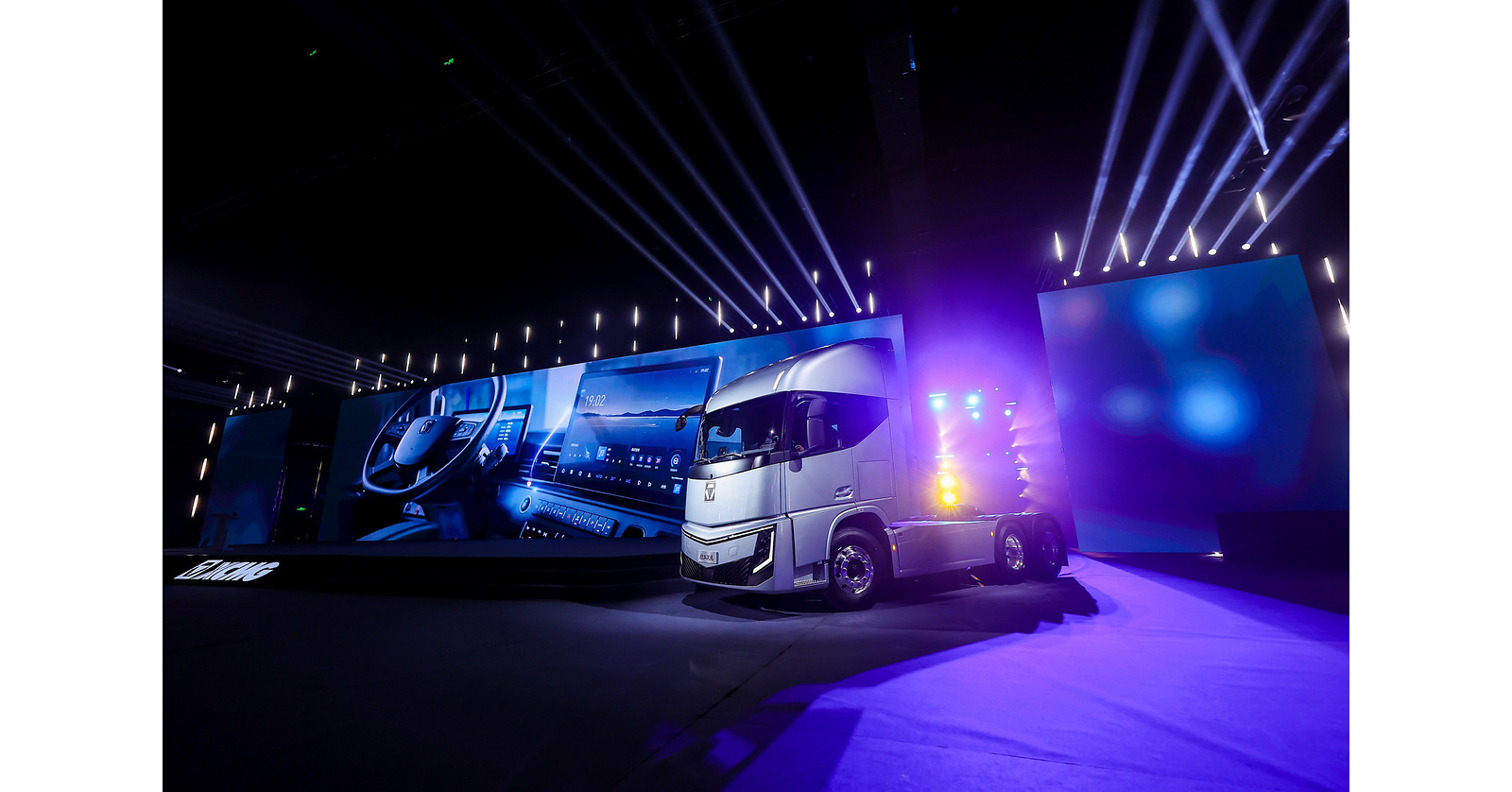
XCMG launched the Hanjing, a next-generation alternative-energy heavy truck for long-haul freight, featuring an 800V architecture capable of charging from 20% to 80% in under 20 minutes. The vehicle completed a 24-hour, fully loaded 49-ton endurance test covering 2,198 km and incorporates an integrated electric drive axle, regenerative braking and connected fleet-management systems. XCMG ranked No. 1 in China for new-energy heavy-truck and tractor sales from January through July 2026, while an Indonesian mining customer placed a repeat order for 100 vehicles.
Analysis
This is strategically relevant but not yet an investable earnings event: the key question is whether long-haul electric trucking can move from captive, depot-charged routes to economically viable open-route freight. Megawatt charging and integrated fleet software could lower downtime and raise asset utilization, but only where charging access, grid capacity and route density support it. The first measurable implication is likely intensified price and service competition in China’s heavy-truck market, pressuring incumbents’ vehicle gross margins before it creates a broad demand uplift.
The second-order beneficiary is the charging and power ecosystem rather than the truck OEM alone. Higher-voltage long-haul deployments increase demand for commercial DC charging hardware, transformers, power-management systems and battery thermal-management components; CATL and BYD are the most relevant China-listed battery ecosystem proxies, while ABB and Schneider Electric offer global electrification exposure. Conversely, diesel powertrain suppliers and refiners face only a long-duration risk: fleet replacement cycles and infrastructure buildout make meaningful displacement a 6-18 month-plus issue, not a near-term volume shock.
Consensus may over-credit engineering claims without validating total cost of ownership under real freight conditions. The decisive data over the next 1-3 months are delivered-unit volumes, battery warranty/residual-value terms, charging-network utilization, and customer-reported energy cost per ton-kilometer versus diesel. A weak order-to-delivery conversion rate, discounting, or reliance on subsidized fleet financing would falsify a thesis that the platform is commercially disruptive rather than a promotional product launch.
For global listed OEMs, the more relevant read-through is competitive: Chinese manufacturers can use domestic scale to test lower-cost electric heavy-truck architectures before exporting to price-sensitive emerging markets and eventually Europe. That raises medium-term competitive risk for Daimler Truck and Volvo, especially in standardized fleet segments, but regulatory barriers, service-network requirements and local-content rules should limit immediate share loss.
AllMind Terminal
AI-powered research, real-time alerts, and portfolio analytics for institutional investors.
Request TrialMarket Sentiment
Overall Sentiment
strongly positive
Sentiment Score
0.55
Key Decisions for Investors
- No standalone trade on this launch; set a 1-3 month alert for independently disclosed deliveries, firm fleet orders and charging utilization. Treat announced specifications and customer collaborations as insufficient evidence of earnings impact.
- Build a 6-18 month watchlist long basket in commercial electrification: ABB, Schneider Electric and CATL, contingent on evidence that megawatt-charging deployments are scaling beyond captive depots. Prefer infrastructure exposure to truck OEM exposure because it captures deployment across brands.
- Monitor Daimler Truck (DTG.DE) and Volvo (VOLV-B.ST) for Chinese export tender losses or margin commentary in emerging-market heavy trucks. A sustained increase in Chinese OEM export registrations, rather than launch announcements, would support a relative short of European truck OEMs versus ABB.
- For a contrarian setup, avoid chasing broad EV sentiment: if China heavy-truck pricing weakens or battery costs stop declining, OEMs may sacrifice gross margin to seed installed base. Use any confirmation of rising incentives or receivables as a signal to favor component/infrastructure suppliers over vehicle manufacturers.
More News
- Taiwan benchmark Taiex rises to record intraday high as tech stocks advance
- AMD joins the $1 trillion club as chip rally surges - our AI Strategy saw it early
- Latest Oil Market News and Analysis for Sept. 22
- Oil Settles Near $100 as Hormuz Flows Stunt Rally
- Here's who we know is going to the Trump-Xi dinner so far
- How a Bangladeshi garment-maker is fighting the Middle East energy crunch