
The collapse of U.S.-Canada trade talks helped the American aluminum industry. Here’s what Trump should do next.
Source: MarketWatch
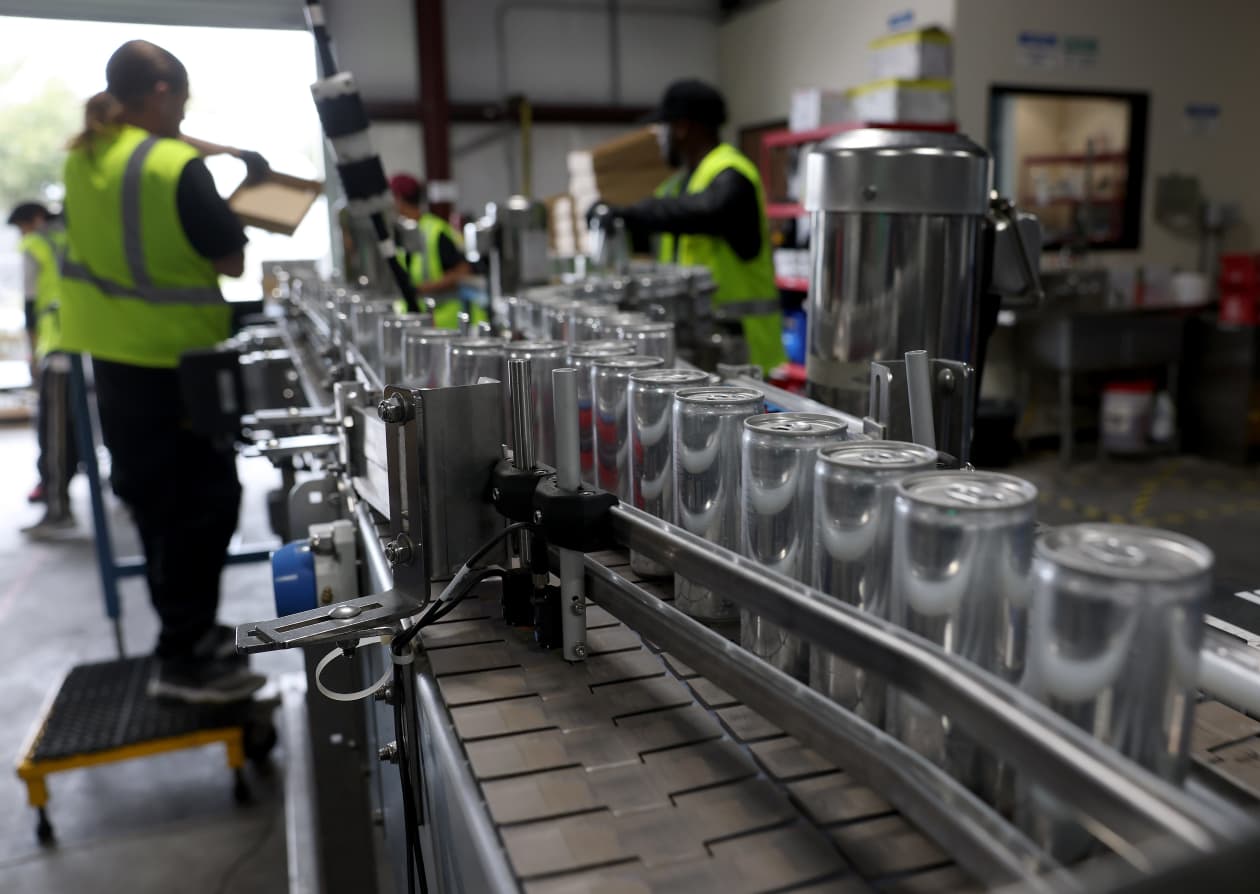
The article argues the collapse of U.S.-Canada aluminum trade talks was beneficial for the U.S. aluminum industry because proposed tariff reductions on Canadian (primary) and fabricated aluminum would have widened cost disadvantages versus foreign producers. It highlights that aluminum in Canada and Mexico “costs a fraction” of what American manufacturers pay, implying the policy issue is addressing these structural cost gaps rather than simply cutting tariffs.
Analysis
The market takeaway is not that every aluminum-linked name wins; it is that policy is increasing the spread between protected domestic capacity and import-exposed users. The cleaner beneficiaries are U.S. smelters, recyclers, and fabricators with domestic melt-to-finish chains, because tariffs defend local pricing while foreign producers still face cheaper power and lower labor in Canada/Mexico. That means the first-order upside is likely in names with tight domestic supply and visible pass-through, while the hidden losers are auto, packaging, and industrial OEMs that cannot immediately reprice finished goods.
The second-order effect is margin compression for downstream manufacturers rather than a broad “aluminum bullish” trade. If tariff protection persists, procurement teams will try to substitute into recycled scrap, lighter gauges, or alternative materials, which caps the upside for primary metal over 1-3 months even if headlines stay constructive. Over 6-18 months, the bigger winner may be domestic recyclers and value-added processors rather than smelters, because they can capture spread without bearing the same power-cost burden.
The contrarian risk is that the consensus is underestimating retaliation and demand destruction. Higher input costs can bleed into end-market pricing with a lag, and if U.S. fabricators lose export competitiveness, volume can fall before pricing benefits fully show up. What would falsify the thesis is a tariff carve-out, a bilateral quota deal, or a sharp compression in U.S. aluminum premiums that indicates the market is already normalizing around the policy threat rather than re-rating domestic margins.
AllMind Terminal
AI-powered research, real-time alerts, and portfolio analytics for institutional investors.
Request TrialMarket Sentiment
Overall Sentiment
mildly positive
Sentiment Score
0.20
Ticker Sentiment
Key Decisions for Investors
- If HRDI is a domestic aluminum producer/fabricator, lean long into any post-headline pullback; target a 1-3 month trade on tariff durability, with thesis invalidation on exemption news or a reversal in domestic premium spreads.
- Use TSTS as the likely short leg only if it is import-exposed or downstream aluminum-consuming; pair long HRDI / short TSTS to isolate policy winners from margin losers, with a 2-3 month catalyst window.
- Avoid chasing broad materials beta via XLB; the policy is too selective. Prefer a relative-value basket: long domestic processors/recyclers, short aluminum-heavy downstream industrials or consumer durables with limited pricing power.
- Watch U.S. Midwest aluminum premium and company guidance over the next earnings cycle; if premiums fail to expand or managements flag weak pass-through, take profits on longs and press shorts on downstream users.
- No standalone options bet unless implied vol is cheap; the cleaner expression is cash equity pair risk, because the policy outcome can reverse quickly on negotiation noise.
More News
- CoreWeave credit default swaps hit distress levels as investors sour on AI debt
- Brian Sullivan: Why the 'real' price of oil is likely $30-$40 higher than where it is now
- Treasuries Soar as Tech Slump Threatens Growth
- Penske Automotive agrees to be taken private by Penske, Mitsui
- Faraday Copper completes acquisition of BHP’s San Manuel project
- Latest Oil Market News and Analysis for Oct. 16