
Merritt Properties Breaks Ground on RDU Business Park Near Raleigh-Durham International Airport
Source: PR Newswire
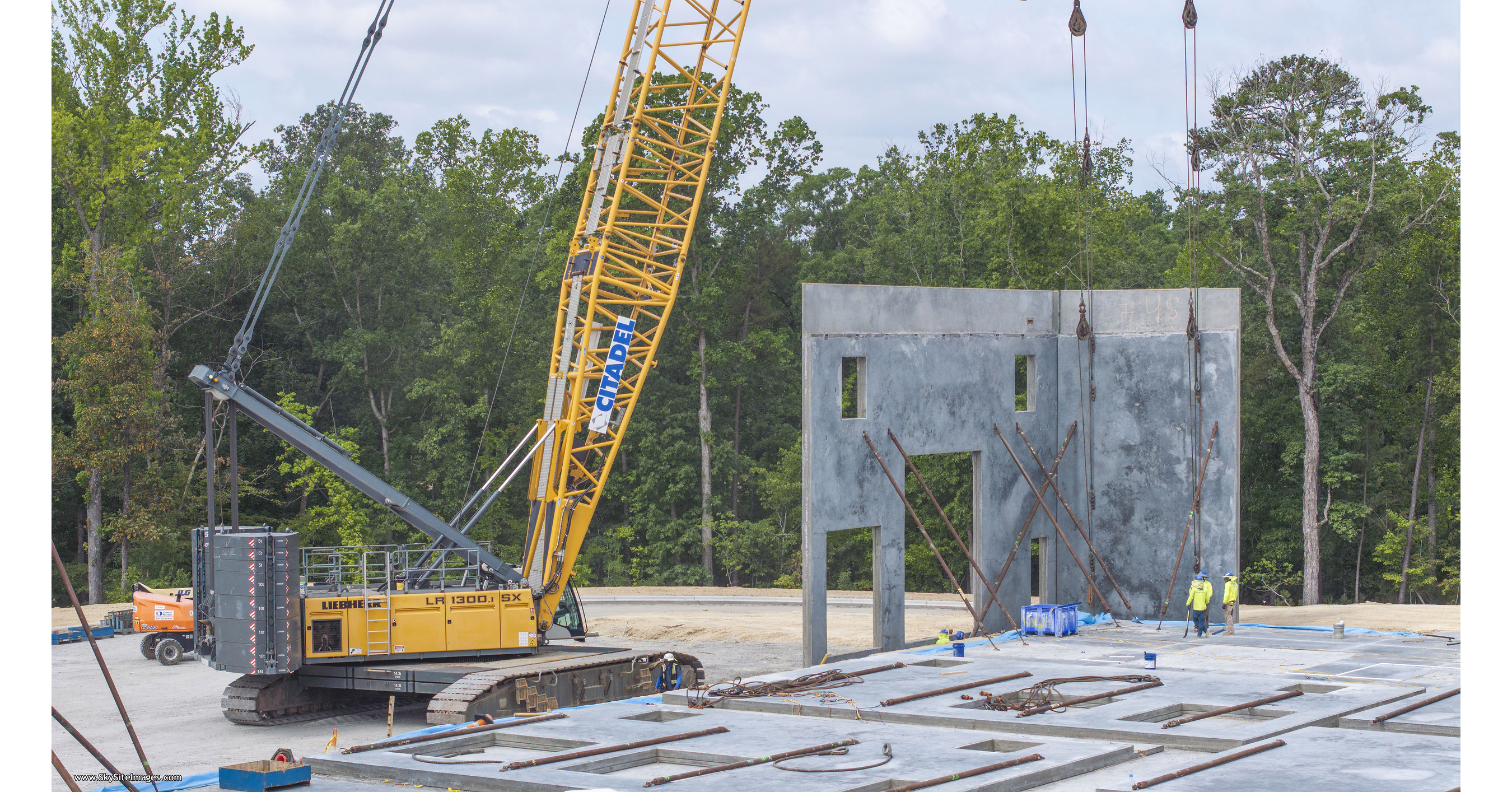
Merritt Properties broke ground on RDU Business Park in Morrisville, NC, launching a first phase of up to 790,527 sq. ft. of light industrial space within Cary. The West Phase will add three single-story buildings totaling 201,250 sq. ft., scheduled for completion in Q4 2027, and is being offered for preleasing. The project is expected to expand Merritt’s North Carolina portfolio to over 1.35 million sq. ft. across six business parks, supporting demand for high-quality shallow-bay industrial space in the Research Triangle.
Analysis
This is more a validation of Southeast industrial land economics than a near-term equity catalyst. The key market mechanism is not the shovel-in-the-ground event itself, but whether a 2027 delivery schedule can be preleased fast enough to preserve rent growth in shallow-bay product; if it can, that supports the scarcity premium for diversified industrial landlords like PLD, STAG, and FR, while local speculative developers without balance-sheet scale will face the highest lease-up and refinancing risk.
The first-order beneficiaries are construction, brokerage, and landowners; the second-order winner is the Triangle labor and housing complex if this translates into sticky job creation and tenant migration. The loser set is more subtle: any nearby private warehouse owners sitting on older, less flexible space may see pricing power erode once new Class A supply arrives, especially if sublease inventory rises before the project stabilizes.
Over the next 1-3 months, the real catalyst is preleasing velocity and the cost of capital, not the groundbreaking. If cap rates stay elevated or national industrial demand softens, additional phases can be delayed, which would cap the supply overhang; if absorption stays strong, the market may actually reward the builder because it signals durable demand rather than oversupply. Contrarian view: the consensus may be over-optimistic on "growth market" framing and underestimating how quickly new shallow-bay supply can normalize rents in a supply-constrained submarket.
The thesis is falsified if local vacancy ticks up, lease-up stalls into late 2027, or industrial rent growth in the Triangle decelerates versus Southeast peers. In that case, the move is not a buy-the-builder signal; it is a warning that new supply is finally catching up to demand.
AllMind Terminal
AI-powered research, real-time alerts, and portfolio analytics for institutional investors.
Request TrialMarket Sentiment
Overall Sentiment
mildly positive
Sentiment Score
0.15
Ticker Sentiment
Key Decisions for Investors
- No standalone trade in SCPAF/private development exposure today; treat this as a watch item and require evidence of preleasing before underwriting any upside from the project.
- Add PLD, STAG, and FR to a tactical watchlist for pullbacks only; the better entry is after next-quarter occupancy/same-store NOI prints confirm that Southeast demand is absorbing new supply.
- If Triangle industrial rent comps remain firm through 1H27, consider a modest long PLD / short office REIT basket (e.g., KRC, VNO) to express continued industrial bifurcation without taking single-market risk.
- Set an alert on local vacancy and prelease milestones by mid-2027; if less than roughly half of the first phase is spoken for 6-9 months before delivery, reduce any industrial-long exposure.
More News
- Nvidia GPUs are everywhere. Here are the ways companies are accessing them
- Bank of America is bullish on these top stocks ahead of earnings
- As companies pour billions into Earth-based AI infrastructure, Google is taking the data center race off-planet
- How U.S. know-how is fracking Australia into a gas boom, from Texas oilmen to Trump’s energy secretary
- The world needs Ukraine’s grain. Its farmers are running out of reasons to plant
- Authorities said Houthi-claimed attacks on Riyadh airport killed three Saudi citizens, as airlines suspend at least 124 flights
From AllMind Research
- Anthropic IPO Preview: Valuation, Timing, and What to Watch
- Shein After the IPO: Venue, Valuation, and What Must Be Proved
- What AI Research Tools Should a Small Hedge Fund Buy First?
- What a Concept From Nature Tells Us About How C-Suite Executives Actually Think About AI
- How to Track Earnings Call Sentiment Across Companies