
Mureva Phototherapy and Siemens Healthineers Announce U.S. Co-Marketing Agreement to Expand Access to the First FDA-Authorized Device for Radiation-Induced Oral Mucositis
Source: PRWeb
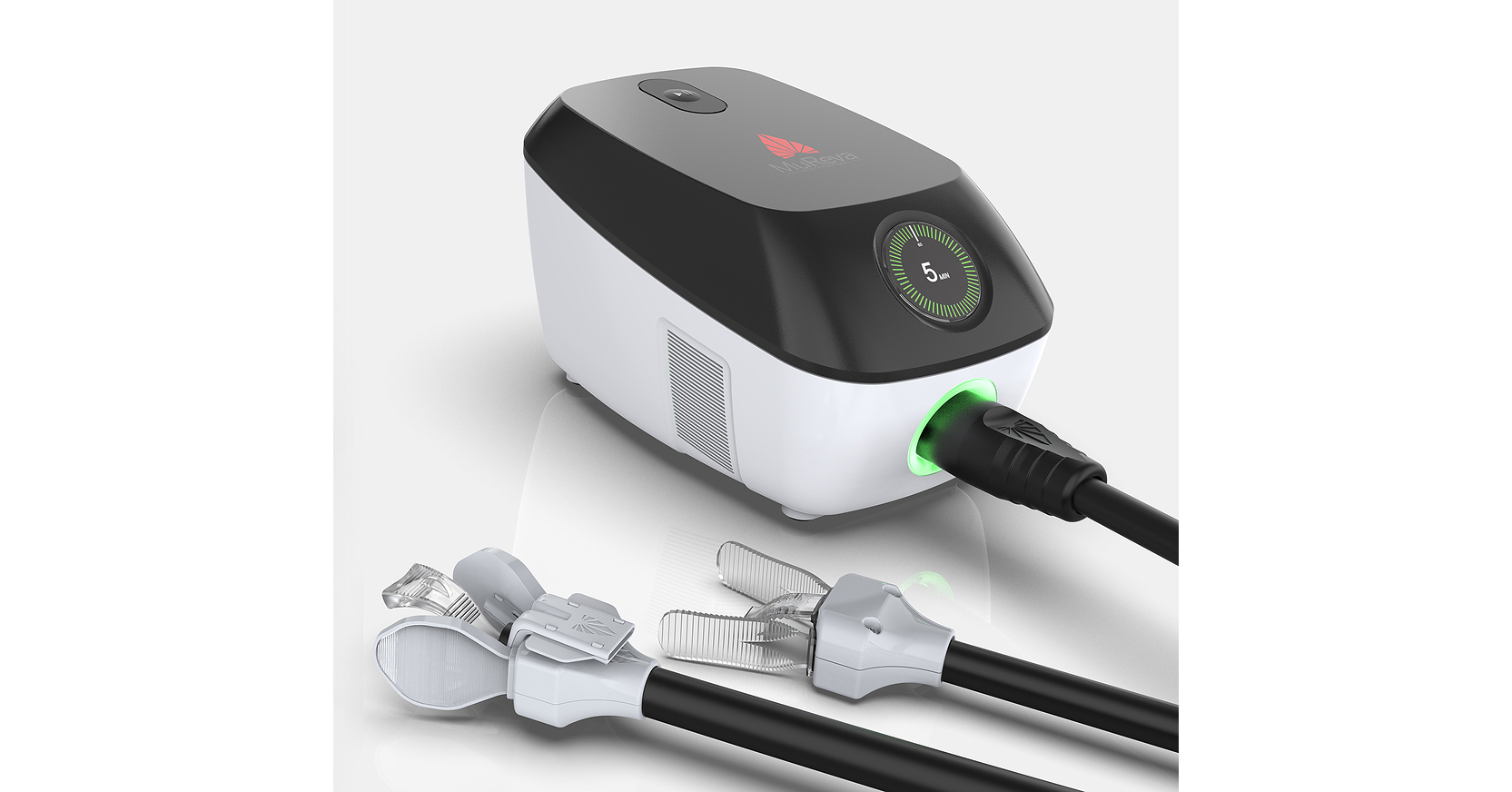
Mureva Phototherapy and Siemens Healthineers entered a U.S. co-marketing agreement to expand adoption of Mureva, an FDA De Novo-authorized intraoral phototherapy device for radiation-induced oral mucositis in head-and-neck cancer patients. Mureva’s 2025 authorization created a new Class II device category and was supported by a randomized pivotal trial showing a significant reduction in severe oral mucositis versus sham, with no device-related adverse events. Siemens will promote the 10-minute daily treatment through radiation-oncology customer education, sales enablement and integration with existing ARIA workflows, potentially broadening access but with no disclosed financial terms.
Analysis
This is strategically useful but financially immaterial for SHL in the next 12 months: a referral/co-marketing arrangement does not create disclosed equipment revenue, exclusivity, equity economics, or reimbursement certainty. The more relevant read-through is that SHL is using its oncology installed base and workflow software as a distribution asset, which can modestly reinforce ARIA ecosystem stickiness and differentiate its radiation-oncology sales process against Elekta (EKTA-B.ST) and Accuray (ARAY). Any benefit is likely limited to service/software retention rather than a measurable FY27 revenue catalyst.
The commercial bottleneck is not clinical evidence but payment and operational adoption. Provider uptake will depend on whether daily treatment can be billed economically, whether centers can absorb chair-time and staff requirements, and whether the indicated population maps cleanly to high-volume head-and-neck protocols. If Mureva reduces treatment interruptions or supportive-care utilization, hospital systems could adopt despite weak direct reimbursement; that would create a longer-dated precedent for adjunctive devices embedded in radiation workflows, favoring vendors with dominant installed bases rather than standalone device makers.
Consensus may over-credit the announcement as an oncology growth signal for SHL. The absence of a distribution commitment, revenue share, minimum purchase obligation, or integration work means this is principally a sales-enablement test. Near-term upside requires evidence of conversion: references to Mureva in SHL oncology pipeline commentary, expanded commercialization terms, or proof that the offering improves ARIA attach/renewal rates. A disclosed partner launch with Elekta or a reimbursement setback would negate even the modest ecosystem-differentiation thesis.
AllMind Terminal
AI-powered research, real-time alerts, and portfolio analytics for institutional investors.
Request TrialMarket Sentiment
Overall Sentiment
moderately positive
Sentiment Score
0.42
Ticker Sentiment
Key Decisions for Investors
- No standalone SHL trade on this release; treat as a low-impact ecosystem datapoint. Maintain existing SHL exposure only if the core imaging/diagnostics earnings thesis remains intact.
- Set a 1-3 month alert for reimbursement coding/coverage decisions and any disclosed commercial terms or order metrics from Mureva. Upgrade the SHL read-through only if management links the program to ARIA retention, oncology software attach, or service revenue.
- For radiation-oncology relative-value books, monitor SHL versus EKTA-B.ST rather than initiate immediately: a repeatable pattern of workflow-adjacent partnerships could support modest multiple resilience for SHL, but this single arrangement does not justify a pair trade.
- Falsification trigger: evidence that centers cannot obtain economic reimbursement or that implementation materially adds staff burden would limit adoption and confirm the announcement has no meaningful SHL revenue relevance.
More News
- D-Wave Quantum vs. QuantumScape: Which Moonshot Tech Stock Is a Better Buy in 2026?
- Trump says he approved new fuel economy standards rolling back Biden-era rules
- Trump’s new Medicaid rules will kick in, and GOP states are tougher. Someone may be too frail to work but can’t afford to see a doctor to prove it
- Boeing flags 737 Max software glitch affecting some automated approach functions
- Apple hit with $5.7 billion in damages over haptic patents
- OpenAI expands review of model behavior after more rogue agent incidents emerge