
Warsh Rolls The Dice With Rhetoric
Source: seekingalpha.com
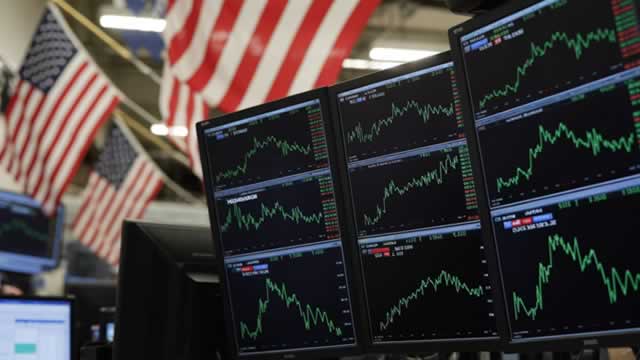
Upward market momentum is fading as September approaches, the historically weakest month, amid mixed index performance. A hawkish Jackson Hole speech from Fed Chairman Warsh boosted rate-hike odds, though his ambiguity suggests he may be buying time rather than signaling an imminent move. Overall, the market is likely to reprice toward higher-for-longer expectations and sustained volatility.
Analysis
The immediate setup is less about an outright macro regime shift and more about dispersion: higher hike odds and a weak seasonal window tend to hit long-duration assets first, while index-level declines can stay shallow until real yields reprice decisively. That means the first-order losers are high-multiple growth, unprofitable software, and rate-sensitive cyclicals; the second-order loser is market breadth itself, because a narrower tape forces systematic funds to de-risk faster once vol picks up.
The more actionable read is in the curve. If the market starts believing the Fed is willing to keep policy restrictive longer, front-end yields should do most of the work, which is bearish for TLT and other duration proxies even if equities only drift lower. That creates a cleaner relative-value trade than a naked equity short: short long-duration Treasuries against defensive equities, or short QQQ against XLU/XLV, where balance-sheet quality and dividend support cushion multiple compression.
The contrarian point is that this may be a communication tactic, not a policy pivot. If upcoming inflation and labor prints soften even modestly, the hawkish premium can unwind quickly and September seasonality alone is not enough to justify aggressive outright bearishness. The thesis is falsified if the 2-year yield fails to hold recent highs, or if the next CPI/PCE releases push Fed funds futures back toward easier pricing within 2-4 weeks.
AllMind Terminal
AI-powered research, real-time alerts, and portfolio analytics for institutional investors.
Request TrialMarket Sentiment
Overall Sentiment
mildly negative
Sentiment Score
-0.25
Key Decisions for Investors
- Buy 4-8 week QQQ put spreads on any early-September strength; the risk/reward improves if the market is still pricing additional hikes, with upside to a vol spike if breadth breaks.
- Pair trade: long XLU or XLV / short QQQ for 1-3 months. This expresses rate-pressure on high-duration equities while keeping net beta lower; cut if real yields roll over.
- Short TLT against SHY or stay long front-end T-bills vs long-duration bonds for the next 1-2 months. The setup favors a bear-flattener if hike odds keep rising.
- If you want pure volatility expression, buy SPY 1-2 month put spreads rather than outright puts; the move is tactical and could fade quickly if macro data softens.
More News
- Treasuries Soar as Tech Slump Threatens Growth
- AI Selloff Deepens in Asia as Funding Fears Mount
- Suddenly, Wall Street is worried that the U.S. economy is more ‘vulnerable’ than it looks
- SK Hynix plunges 8% amid Asia tech rout as Fed rate hike fears, AI funding worries mount
- TSMC Earnings Beat; Anthropic Says It's Now Profitable
- Zelenskyy Defies Trump, Global Tech Selloff Drives Haven Bid
From AllMind Research
- Anthropic IPO Preview: Valuation, Timing, and What to Watch
- Shein After the IPO: Venue, Valuation, and What Must Be Proved
- What AI Research Tools Should a Small Hedge Fund Buy First?
- How the 2026 Milan-Cortina Winter Olympics Will Reshape Company Revenues and Stock Performance
- Can Hedge Funds Use ChatGPT? A Control Framework