


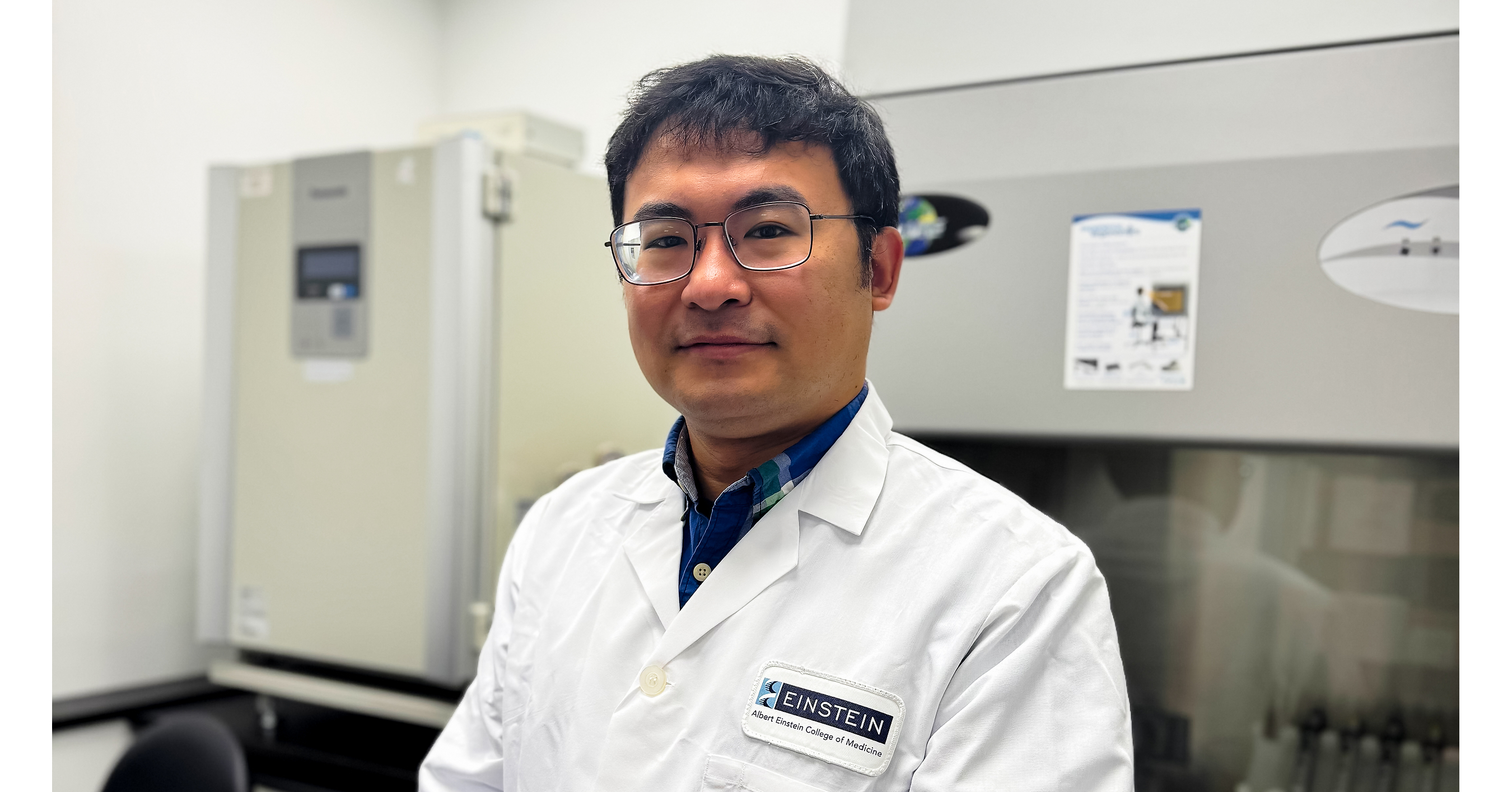
The article reports a mouse study (PLOS Biology) showing perineuronal nets in the retrosplenial cortex weaken during late adolescence, making earlier memories temporarily harder to retrieve before partially resurfacing in adulthood. Researchers linked the effect to reduced structural proteins and lower TGFβ2 activity, and found that reinforcing the networks or restoring TGFβ2 restored early-memory retrieval. The work suggests potential relevance to adolescent-onset psychiatric vulnerability (e.g., schizophrenia, major depression), but it is preclinical with no direct market or financial impact described.
This is a scientific de-risking event only in the broadest sense: it supports the investable thesis that late-adolescent neurodevelopment remains an active frontier, but it does not yet move any public asset’s cash flows. The nearest commercial beneficiaries are long-duration neuroscience platforms, not the article’s named entities; think preclinical synaptic-plasticity, psychiatry, and memory-circuit programs that can use this as a mechanistic citation in fundraising or BD conversations, but not as an earnings catalyst.
The market’s bigger mistake would be to extrapolate a mouse circuit finding into a near-term psychiatry or dementia drug signal. Human translation here is a multi-year path with high attrition, and the commercial value only appears if future work shows durable, safe modulation in people with measurable effects on cognition or fear extinction. Until then, this is better viewed as incremental support for the neuroscience toolchain than for any single therapeutic name.
Contrarianly, the most important implication may be negative for overhyped “memory enhancement” narratives: if stabilizing nets can restore access but also increase generalization or reduce specificity, the therapeutic window could be narrower than bulls assume. That creates a real risk that early human readouts improve one endpoint while worsening another, which would compress multiples for speculative CNS names after initial enthusiasm. The falsifier is straightforward: if upcoming human biomarker or imaging work fails to show a similar late-adolescent remodeling signal, the translational story becomes largely academic.
AI-powered research, real-time alerts, and portfolio analytics for institutional investors.
Request TrialOverall Sentiment
neutral
Sentiment Score
0.00
Ticker Sentiment
