
Women in HVACR and Carrier team up to award $55,000 in scholarships
Source: PR Newswire
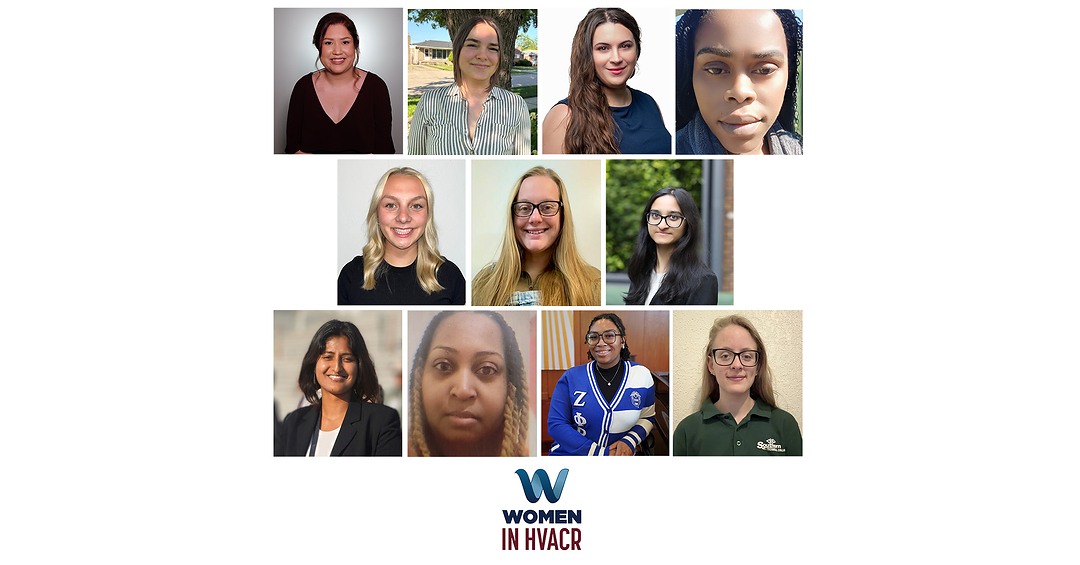
Women in HVACR and Carrier Global partnered to award $55,000 in scholarships to 11 female students training for HVACR technical careers, with each recipient receiving $5,000 for educational expenses. WHVACR funded six scholarships and Carrier supported five; the initiative aims to expand women's participation in the skilled-trades workforce.
Analysis
This is a workforce-pipeline signal, not a near-term earnings catalyst for Carrier Global (CARR). The more important economic mechanism is that technician availability can constrain HVAC equipment installation, commissioning and aftermarket service capacity; that can delay conversion of equipment demand into recognized revenue and limit service growth across the sector. The scholarship program is far too small to change that constraint in the near term. Any benefit to Carrier is indirect—potentially stronger recruiting relationships and employer reputation—with no hiring commitment or measurable labor impact established here. If expanded programs eventually add qualified technicians, the benefit would accrue broadly to contractors and equipment makers, including Carrier’s competitors, rather than creating a durable company-specific advantage. The structural workforce issue matters over years; the near-term market reaction to this announcement should be negligible. The contrarian point is not that the program is financially material, but that investors may underweight labor capacity as a bottleneck when evaluating HVAC demand and service growth. Evidence of a real change would require scaled hiring outcomes or improved industry technician-availability indicators.
AllMind Terminal
AI-powered research, real-time alerts, and portfolio analytics for institutional investors.
Request TrialMarket Sentiment
Overall Sentiment
mildly positive
Sentiment Score
0.15
Ticker Sentiment
Key Decisions for Investors
- No trade on this announcement alone; treat the direct financial impact as immaterial and the reputational benefit as unquantified.
- Over the next 1–3 months, monitor CARR commentary on technician availability, installation capacity, service growth and order-to-revenue conversion. A worsening labor constraint alongside strong demand would be a risk to realization, not necessarily to orders.
- For a 6–18 month workforce thesis, look for evidence that training partnerships scale into hiring or retention gains. Without that evidence, do not assign a company-specific competitive premium; any increase in skilled labor supply could benefit the broader HVAC sector.
- Falsification: deprioritize the labor-bottleneck thesis if company disclosures and industry indicators show improving technician capacity without installation delays or service-growth constraints.
More News
- Why did CoreWeave stock get crushed this week? Look to this corner of the debt market for clues
- AI stock sell-off ramps up over debt-fueled data center spending fears: ‘Full-blown crisis of confidence'
- All the news about the iPhone Duo
- The Tesla Roadster should go into production in 2028, but don't get your hopes up
- MSCI Ignites Indonesia Market Reckoning After Months of Warnings
- Indonesia Caught Off Guard by Surprise MSCI Downgrade Warning
From AllMind Research
- Anthropic IPO Preview: Valuation, Timing, and What to Watch
- Shein After the IPO: Venue, Valuation, and What Must Be Proved
- What AI Research Tools Should a Small Hedge Fund Buy First?
- Document Search Enhancements, AI Enhancements, AI Actions, & Chat Export
- AI Vendor Landscape for Institutional Investment Teams