
From GABA to Goji: A Scientific Benchmark for Functional Ingredients in Asia Takes Shape in Zhangzhou
Source: PR Newswire
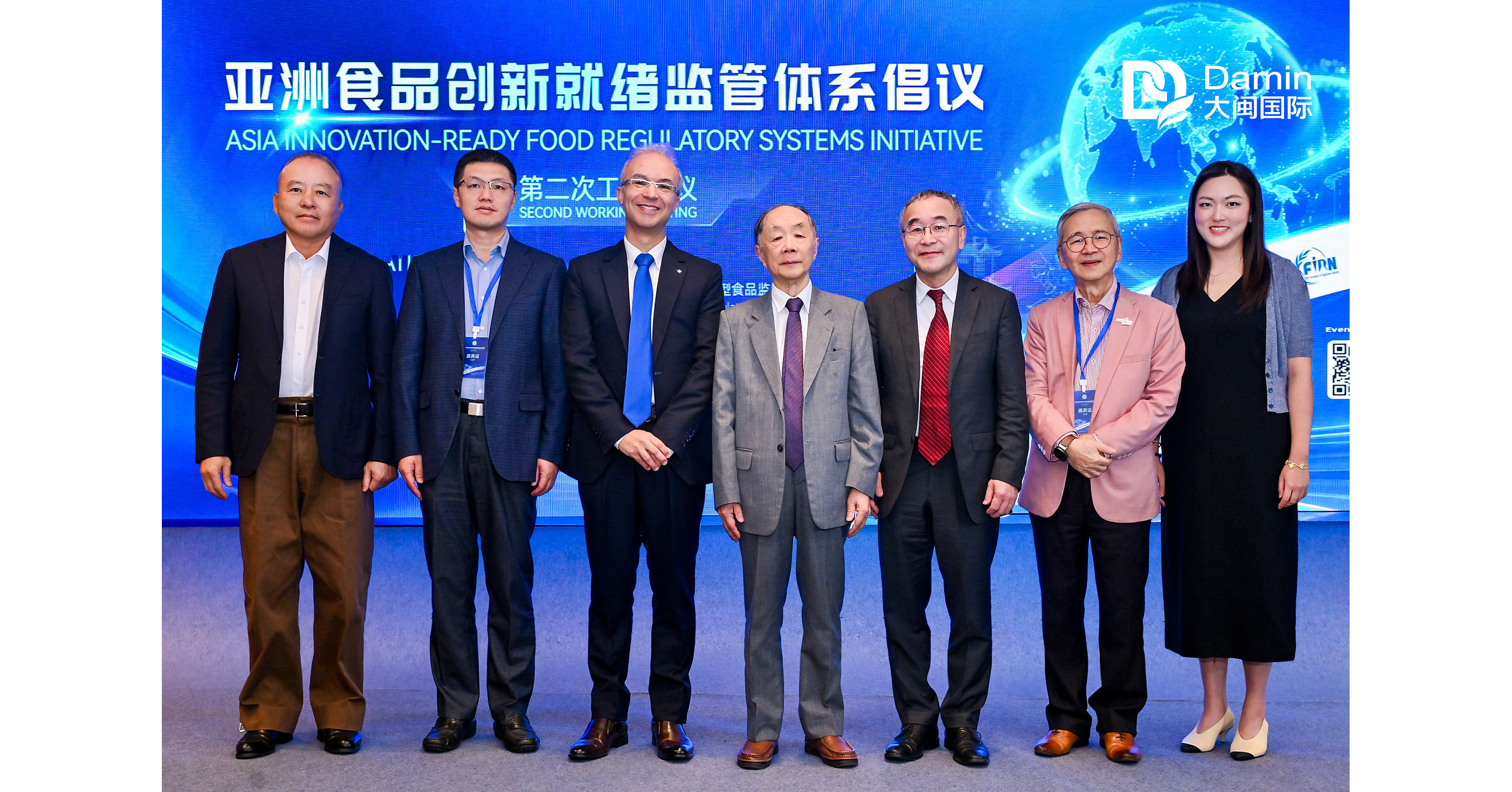
Asia's food-regulatory initiative selected GABA and goji as pilot cases and produced preliminary safety-assessment and health-claim substantiation frameworks. The effort aims to clarify divergent regional treatment of functional ingredients, including GABA's classification and claims requirements and the safety evidence needed for standardized goji extracts. More predictable approval pathways could support functional-food innovation, though the announcement does not include binding regulations, commercial approvals, or financial impacts.
Analysis
This is not yet a tradable regulatory catalyst: a scientific working-group output has no direct force until national food-safety agencies convert it into permitted-claim lists, ingredient monographs, or approval timelines. The likely near-term effect is lower development risk for regional functional-food launches, but that benefit accrues disproportionately to scaled brand owners with clinical, labeling, and distribution capabilities—not to commodity ingredient suppliers.
Kirin Holdings (2503 JP), through its health-science portfolio, and Pharma Foods International (2929 JP), a Japanese functional-ingredient developer, are plausible longer-duration beneficiaries if harmonized substantiation standards reduce country-by-country evidence requirements. The less obvious loser is smaller cross-border supplement brands: stricter standardized-extract and claim-evidence protocols could raise toxicology, stability-testing, and dossier costs, consolidating shelf space toward established operators over 6-18 months.
Consensus should discount promotional language around 'predictable pathways.' Asian food regulation remains nationally administered, and a common scientific framework can initially increase compliance burdens by exposing weak evidence behind existing claims. The investable inflection would be an official Japanese, Thai, Chinese, or ASEAN rulemaking that specifies allowable claims, dosage limits, or a mutual-recognition mechanism; absent that, earnings impact is immaterial and no broad consumer-staples rerating is warranted.
AllMind Terminal
AI-powered research, real-time alerts, and portfolio analytics for institutional investors.
Request TrialMarket Sentiment
Overall Sentiment
mildly positive
Sentiment Score
0.25
Key Decisions for Investors
- No immediate position: treat this as a regulatory watch item rather than a catalyst for listed consumer-health equities; reassess only upon publication of binding agency guidance or an approved cross-border claim framework.
- Add Kirin Holdings (2503 JP) and Pharma Foods International (2929 JP) to a 6-18 month regulatory-monitoring basket; consider longs only after management quantifies addressable markets, approval timing, and incremental R&D/compliance spend.
- For a future relative-value trade, favor long 2503 JP versus a basket of smaller Japanese supplement marketers if formal evidence standards are adopted; the thesis is margin and distribution consolidation, not immediate ingredient-volume growth. Exit if implementation remains voluntary or compliance costs prove immaterial.
- Monitor Thailand and China for rule proposals covering non-nutrient health claims and standardized botanical extracts. A formal consultation with transition periods under 12 months would be the actionable signal for potential short exposure to subscale, claim-dependent supplement vendors.
More News
- AI’s Grip on Financial Markets Was Never Clearer on the Way Down
- Tech stock rout, driven by US AI fears, continues in Asian trading
- Asian Markets Tally Losses From Worsening Global Rout
- Magnificent 7 loses $1 trillion. The most eye-popping stats from Thursday's tech stock plunge
- Wall Street’s best post-midterm rally in 44 years lasted just one day—then $3 trillion vanished as chip stocks plunged over AI fears
- Moderna raises 2026 outlook as CEO says newer vaccines are gaining traction