
Democrats Face Obstacles in Any Victory: Evening Briefing Americas
Source: Bloomberg
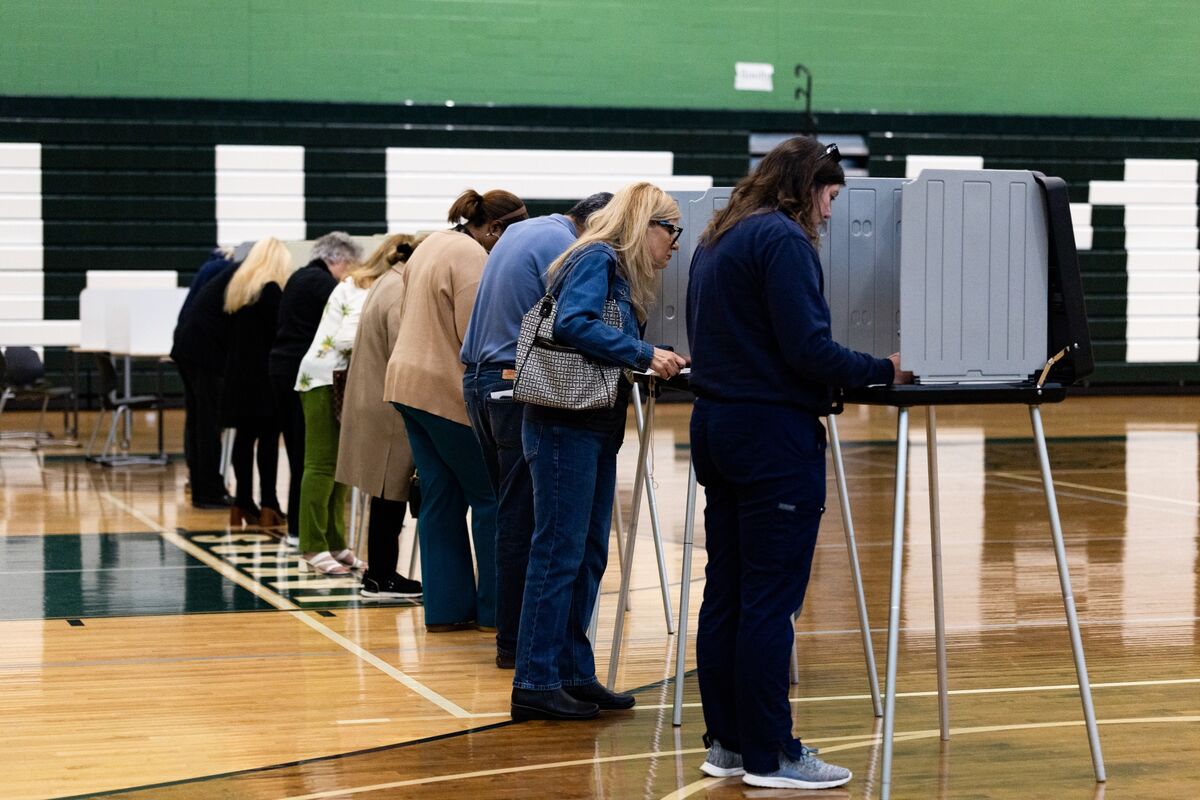
US election results will determine whether Republicans lose their razor-thin majorities in both houses of Congress, with the cost of living, war-driven energy prices and Donald Trump cited as key factors. The article raises fears that Trump could seek to interfere with results through illegal action or litigation, and questions what Democrats could accomplish even if they win both chambers.
Analysis
The investable signal is policy uncertainty, not a reliable directional read-through to earnings. A change in congressional control could alter the probability and timing of tax, spending, energy, and regulatory measures, but divided institutions and executive veto power constrain what can be implemented. Treat campaign rhetoric as low-quality input until committee control, bill text, and executive authority are clear.
Over the next several days, contested results or litigation could briefly lift equity volatility and Treasury-market risk premia; that is a tail-risk hedge case, not a base-case reason to sell equities. Over 1–3 months, watch fiscal deadlines and any credible legislative agenda. Over 6–18 months, sustained policy changes—not the election result alone—would matter for clean-energy developers, conventional energy, defense, and regulated utilities. War-linked energy prices remain a more direct near-term cost shock for transport and consumer-facing businesses than election outcomes.
Contrarian view: investors may overprice a rapid policy reversal from a change in congressional control. The thesis weakens if results are accepted promptly, volatility normalizes, and no material policy proposal advances; it strengthens with prolonged litigation, sharply higher rates/term premia, or enacted measures that change sector economics.
AllMind Terminal
AI-powered research, real-time alerts, and portfolio analytics for institutional investors.
Request TrialMarket Sentiment
Overall Sentiment
mixed
Sentiment Score
-0.10
Key Decisions for Investors
- Avoid a pre-result directional equity bet; consider defined-risk SPY put spreads only if implied volatility remains reasonable and results or litigation create a measurable volatility catalyst. Exit the hedge if results are accepted and volatility mean-reverts rather than extending the position on headlines alone.
- Keep clean-energy and conventional-energy policy exposure near benchmark until control, bill language, and implementation path are known. Reassess after committee assignments and the first concrete legislative or regulatory proposals; campaign statements alone are not a catalyst.
- Monitor crude and refined-product prices as the nearer-term transmission channel: sustained energy-cost increases would favor relative underweights in airlines and transport (e.g., IYT exposure) versus energy equities (e.g., XLE), but reverse that stance if prices retreat or transport companies absorb costs without guidance deterioration.
- Track Treasury term premium, cross-asset volatility, and election-related litigation over the next days to weeks. Escalating disputes alongside a persistent rise in rates would justify reducing broad equity risk; peaceful certification and stable rates would falsify that risk-off thesis.
More News
- The Strait of Hormuz closure has cost Europe an extra $142 billion for the same energy it was already buying
- US hits Qeshm Island, Pezeshkian signals more diplomacy: Iran war latest
- 5 things to watch on Election Day as Democrats push for control of Congress
- US and Iran Are Reviewing Proposals to End Middle East Conflict
- Opening Statement before the House of Commons Standing Committee on Finance
- Tax Cut Hopes Help Fuel Nifty’s Rally to a Two-Month High