
Beko's FlexiStart helps households run appliances when electricity is cheaper
Source: PR Newswire
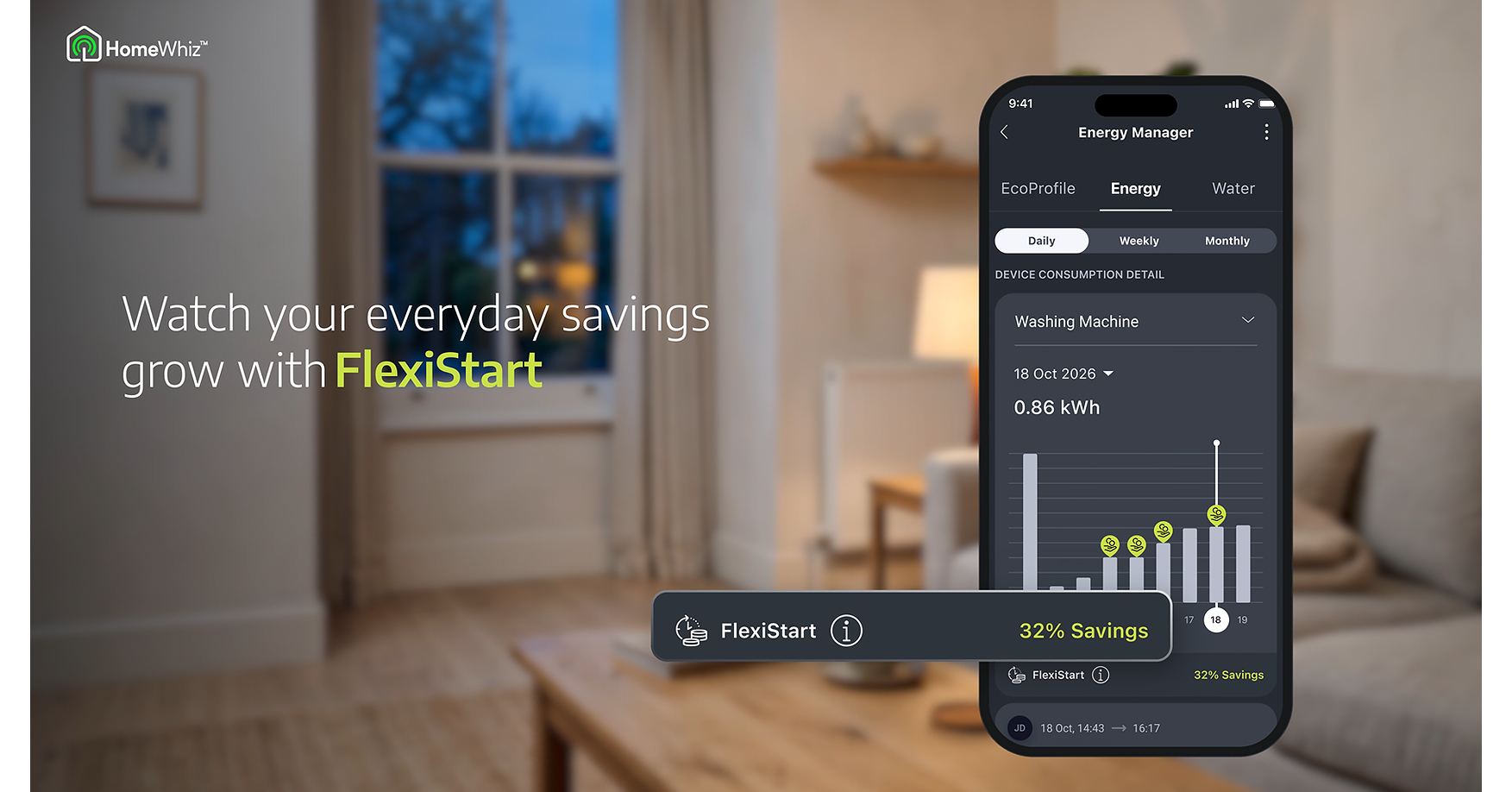
Beko will launch FlexiStart in January 2027 through its HomeWhiz app, scheduling washing machines, dishwashers and tumble dryers to run during lower-cost electricity periods. Energy-provider integrations are planned for Germany and Türkiye at launch; users can also enter their own cheaper tariff hours. Beko says the feature can help households lower bills and provide more flexible grid demand, but the announcement gives no quantified savings or financial impact.
Analysis
This is a product-differentiation signal, not yet an earnings catalyst. The commercial chain has several adoption gates: eligible connected appliances, dynamic or time-of-use tariffs, provider integration, and user consent. Without evidence on any of these—or on conversion to appliance sales, retention, or paid services—the near-term revenue and margin contribution is likely too uncertain to underwrite. The more durable option value is in Beko’s ability to build an energy-management relationship with customers and providers, but the EU interoperability standard may also make scheduling a table-stakes feature rather than a lasting moat.
For energy providers, shifted appliance demand could improve load shaping; for the grid, the benefit depends on whether schedules are distributed rather than synchronized into a new off-peak spike. Storage, demand-response platforms, and utilities with flexible-load programs may benefit if integrations scale, while appliance rivals face pressure to match the feature. The contrarian point: household bill savings are not automatically value captured by the appliance maker, and the feature could mostly subsidize provider retention.
Days: likely limited fundamental read-through. Over 1–3 months, watch launch partner disclosures and COP31 visibility for measurable adoption rather than announcements. Over 6–18 months, assess expansion across markets and appliance categories, interoperability, and actual load response. Falsifiers include weak customer enrollment, no repeat provider integrations, or evidence that shifted usage creates a concentrated rebound peak. Company-specific financial impact and a tradable security mapping are not supplied.
AllMind Terminal
AI-powered research, real-time alerts, and portfolio analytics for institutional investors.
Request TrialMarket Sentiment
Overall Sentiment
mildly positive
Sentiment Score
0.20
Key Decisions for Investors
- No standalone trade on the announcement: treat as a low-confidence strategic positive, not a basis for earnings revisions or multiple expansion.
- Set an alert for Germany and Türkiye launch data: verify eligible installed base, tariff enrollment, active-user rates, provider economics, and whether appliance sell-through or service revenue changes.
- Monitor demand-response and grid-flexibility businesses as potential second-order beneficiaries only if deployments show measurable, non-synchronized load shifting; otherwise, this is mainly a marketing feature.
- Reassess Beko’s competitive position over 6–18 months if adoption and additional provider integrations emerge; downgrade the thesis if usage remains low or rivals offer equivalent interoperable scheduling.
More News
- Tech stock rout, driven by US AI fears, continues in Asian trading
- Asian Markets Tally Losses From Worsening Global Rout
- AI’s Grip on Financial Markets Was Never Clearer on the Way Down
- Elon Musk once said the Cybertruck would be Tesla’s ‘best product ever.’ Now he’s winding down production
- Russia to UAE, Iran steps up diplomacy amid Trump threats: What we know
- FTSE 100 today: Stocks slump as global tech rout deepens