
Le congrès Smart City Expo 2026 se termine sur une démonstration de l'impact concret des solutions urbaines
Source: PR Newswire
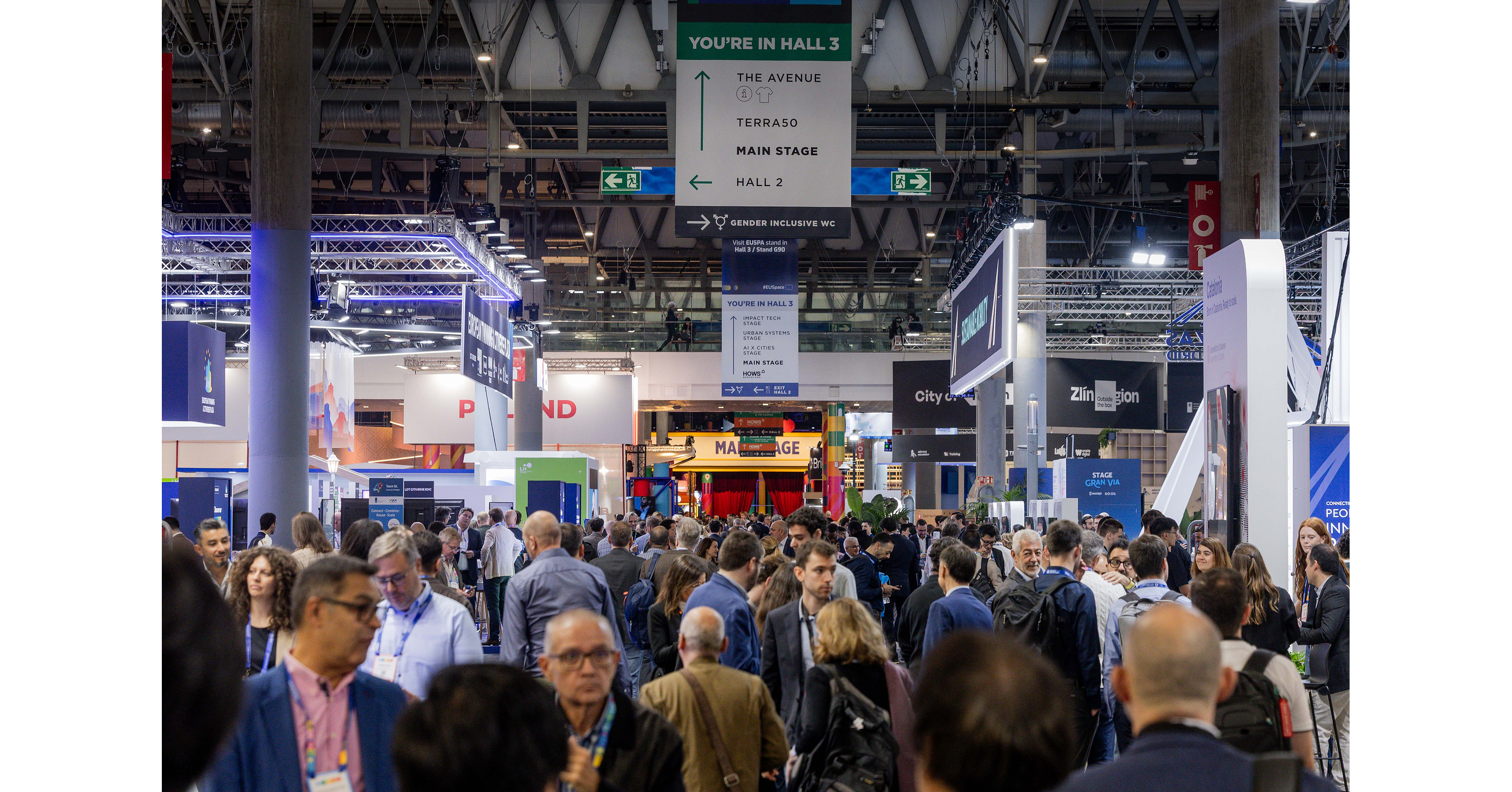
The 15th Smart City Expo World Congress in Barcelona drew 29,721 attendees from 140 countries and 1,276 exhibitors, with affordable housing, climate-mitigation solutions and mobility among its main topics. Tokyo was named 2026 Smart City for its “C³ Powering Tokyo” initiative, which puts residents at the center of the city’s digital and AI transformation. The event is scheduled to return November 2–4, 2027.
Analysis
Investment signal is weak: conference participation and optimistic claims about city readiness do not establish funded contracts, deployment pace, or incremental revenue. The key market mechanism is procurement conversion. If municipal buyers scale deployments, value may accrue to systems integrators, connectivity and mapping providers, cybersecurity vendors, and cloud/AI suppliers—but fragmented tenders, lengthy approvals, and budget constraints can dilute economics and delay recognition. The exhibitor list is not evidence that Dell Technologies, Deutsche Telekom IoT, Esri, Google, Microsoft, NVIDIA, Veolia, or FCC Enviro won business or will benefit materially.
Over the next 1–3 months, look for named awards, contract values, and vendor backlog commentary; absent those, the event is unlikely to change earnings expectations. Over 6–18 months, fiscal capacity and measurable returns on deployments—not conference enthusiasm—will determine whether smart-city spending becomes a durable growth pool. Housing affordability and climate adaptation may compete with discretionary digital projects for municipal capital. Tokyo’s award is a reputational signal, not proof of a replicable commercial model. The contrarian risk is treating broad adoption intent as near-term monetization; the upside risk to that view is a wave of funded, repeatable contracts. Falsify the cautious thesis with material, recurring city awards and corroborating backlog or guidance increases; reinforce it if budgets tighten or pilots fail to scale.
AllMind Terminal
AI-powered research, real-time alerts, and portfolio analytics for institutional investors.
Request TrialMarket Sentiment
Overall Sentiment
neutral
Sentiment Score
0.10
Key Decisions for Investors
- No event-driven position: do not infer revenue acceleration from attendance, exhibitor count, or the award announcement.
- Put named vendors and relevant infrastructure/software exposures on a procurement watchlist; require contract disclosures, backlog contribution, or guidance changes before adding exposure.
- Over the next 1–3 months, monitor municipal budget approvals and tender awards, especially for repeat deployments rather than pilots; treat unfunded announcements as non-catalysts.
- Reassess the theme over 6–18 months if city spending is redirected toward housing or climate priorities, or if vendor disclosures show that deployment economics are not scaling.
More News
- Further turmoil could be in store for tech stocks. What to watch in the week ahead
- Tech stock rout, driven by US AI fears, continues in Asian trading
- Asian Markets Tally Losses From Worsening Global Rout
- AI’s Grip on Financial Markets Was Never Clearer on the Way Down
- Elon Musk once said the Cybertruck would be Tesla’s ‘best product ever.’ Now he’s winding down production
- AI stocks hammered by midterm shock as data center buildout becomes a 'war of attrition'