
Safer Cars, Smarter Repairs: Farmers Insurance® Explains How New Car Technology May Impact Repair and Insurance Costs
Source: PR Newswire
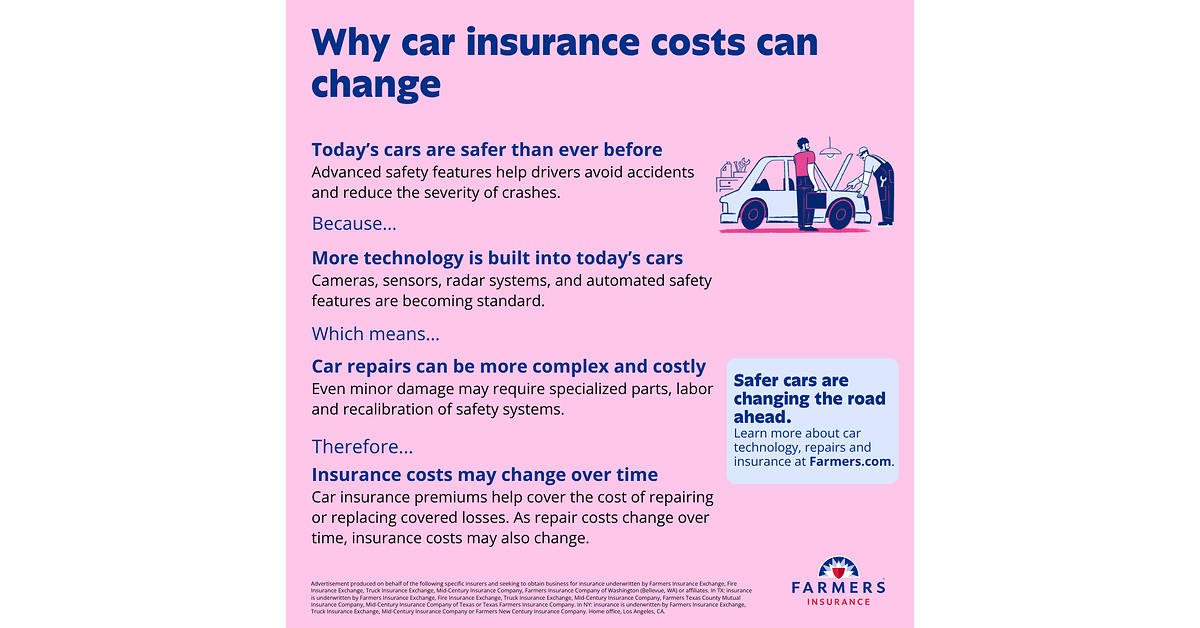
Farmers Insurance highlights that ADAS (advanced driver assistance systems) making cars safer can also increase repair complexity and cost, due to special parts, diagnostics, and camera/sensor/radar calibration needs. The article notes federal rules requiring rear visibility technology and finalized requirements for automatic emergency braking to be standard on new passenger vehicles by September 2029. While it cites three consecutive years of declining U.S. traffic fatalities, it emphasizes persistent crash losses (~40,000 deaths and 2.4M+ injuries annually) that continue to drive the need for coverage and repair planning.
Analysis
The real market mechanism here is not “safer cars” but a transfer of economics from collision frequency to claim severity and cycle time. That tends to help parts distributors, ADAS calibration specialists, and dealer service departments while pressuring personal-auto underwriters with large physical-damage books; the lag matters because insurers usually reprice after severity has already moved. In the near term, this is more a margin timing issue than a demand shock, so the first-order winners are repair-network franchises and OEM-certified service channels, not the insurers themselves.
Over the next 1-3 quarters, the key watch item is whether premium increases keep up with repair inflation. If labor, scanner, glass, and sensor replacement costs continue compounding faster than earned rate, combined ratios can deteriorate even as crash frequency improves; that is the classic “better technology, worse economics” setup for auto insurers. The structural 6-18 month question is whether telematics, better calibration workflows, and insurer-negotiated repair networks offset the ADAS cost stack, which would cap the margin headwind.
Consensus may be too quick to view this as a bullish insurance message because it highlights safety. The contrarian read is that the benefits of lower accident frequency arrive slowly, while severity inflation is immediate and visible in claims data, so the pain shows up first in earnings revisions and reserve conservatism. Falsifiers are simple: a clear deceleration in severity per claim, faster premium adequacy in filed rates, or evidence that calibration/repair productivity is compressing costs faster than expected.
AllMind Terminal
AI-powered research, real-time alerts, and portfolio analytics for institutional investors.
Request TrialMarket Sentiment
Overall Sentiment
neutral
Sentiment Score
0.05
Key Decisions for Investors
- No direct trade in IUSDF/TSTS based on this item alone; treat as an alert on auto-claim severity, not a catalyst. Reassess only after the next 1-2 quarterly loss-ratio prints.
- Small-size pair trade idea: long LKQ / short KIE over 3-6 months if upcoming claims data confirm ADAS-driven severity inflation. Thesis: parts/distribution and repair complexity benefit faster than insurers can reprice; risk/reward is roughly 2:1 if severity keeps rising.
- Relative underweight or short-bias on personal-auto-heavy insurers such as ALL versus a broader insurance basket over the next 1-3 quarters. Use combined-ratio deterioration or reserve charge language as the trigger; exit if severity trends flatten or rate filings outpace loss-cost inflation.
- Watch list for repair-network/service beneficiaries: body-shop consolidators, auto-glass, and calibration-equipment suppliers. If industry data show longer cycle times and more diagnostic labor, these names should outperform over 6-12 months even if the insurer narrative remains mixed.
- Falsifier to monitor: if average claim severity decelerates materially for two consecutive quarters or insurers report materially improved earned-rate adequacy, close any insurer short and remove the trade from the book.
More News
- Blackstone President Jon Gray Bets Big on AI Boom
- What's behind the sell-off in AI neocloud stocks like CoreWeave and Nebius
- Ukraine to resume strikes on Russian refineries, shattering hopes of an 'energy ceasefire'
- SK Hynix plunges 8% amid Asia tech rout as Fed rate hike fears, AI funding worries mount
- Trump administration advances plan for peptide drugs favored by RFK Jr.
- TSMC chip capacity is ‘fierce’ battleground for AI customers, amid record quarter