
Vanguard Renewables and Generate Upcycle Unite to Create North America's Largest Food Waste-to-RNG Platform
Source: PR Newswire
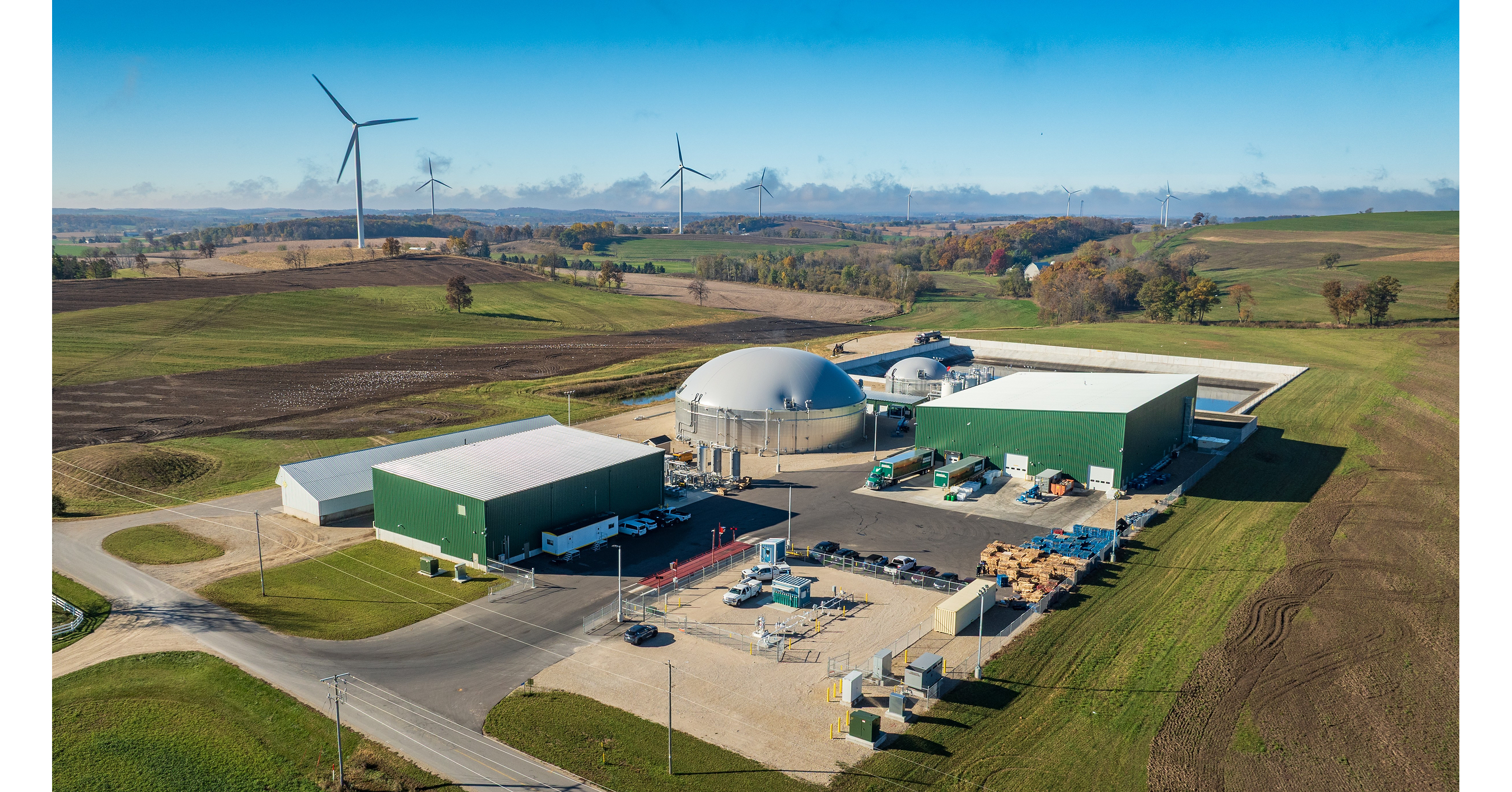
Vanguard Renewables plans to combine with Generate Upcycle, expanding the platform to 19 anaerobic-digestion and depackaging facilities across the U.S. Northeast and Ontario. The transaction is expected to nearly double Vanguard's operating capacity, adding roughly 565,000 tons of annual food-waste processing capacity and 1.1 Bcf of renewable natural gas production. The deal also establishes Vanguard in Canada's Clean Fuel Regulations market and strengthens its integrated organic-waste recovery network; closing is expected October 1, 2026, subject to customary conditions.
Analysis
For BLK, the transaction is economically immaterial at the parent level, but it reinforces GIP’s strategy of aggregating contracted, infrastructure-like decarbonization assets where returns depend more on environmental-credit monetization and waste-service contracts than on wholesale natural-gas prices. The relevant read-through is valuation support for private circular-economy infrastructure, not a near-term change to BlackRock earnings; any market reaction in BLK should be ignored absent evidence that this expands fee-bearing AUM or creates a broader GIP deployment pipeline.
The more investable implication is competitive pressure on standalone RNG developers and small-scale waste-to-energy operators. A scaled, vertically integrated buyer can bid more aggressively for feedstock and municipal diversion contracts, raising input costs and lowering project returns for OPAL and MNTK unless those companies retain superior contracted feedstock positions or credit hedges. Waste incumbents WM, RSG, and WCN are better insulated because organics diversion can be bundled into existing collection routes and landfill networks; their real upside is increased tipping-fee capture and customer-retention rather than direct RNG volume.
Over the next 1-3 months, the key catalyst is not closing risk but whether Canadian Clean Fuel Regulations credits and U.S. federal/state renewable-fuel credits sustain project-level returns after financing and logistics costs. The 6-18 month risk is that rapid capacity additions compete for a finite pool of clean food-waste feedstock, while lower credit values, permitting delays, digestate-disposal costs, or methane-leakage scrutiny compress returns. Consensus likely overstates the sensitivity to Henry Hub: low-carbon-credit prices, contracted waste economics, and uptime are the primary earnings variables.
NGS has no clear fundamental linkage; its compression-equipment exposure is principally conventional gas infrastructure, and this development alone does not establish incremental order flow. Treat any thematic sympathy move in NGS as non-actionable unless management identifies biogas/RNG compression backlog, margins, or customer wins in subsequent disclosures.
AllMind Terminal
AI-powered research, real-time alerts, and portfolio analytics for institutional investors.
Request TrialMarket Sentiment
Overall Sentiment
strongly positive
Sentiment Score
0.58
Ticker Sentiment
Key Decisions for Investors
- No directional BLK trade: maintain core exposure only; require evidence of incremental GIP fundraising, realizations, or fee-bearing AUM before attributing value to this transaction. The position is not falsified or validated by the deal closing alone.
- Place a 1-3 month watch on OPAL and MNTK for feedstock-contract disclosures, renewable-credit sensitivity, and project-return guidance. Consider reducing/shorting the weaker operator only if management signals higher feedstock costs or lower contracted credit coverage; absent that data, competition risk is not sufficient for a position.
- Prefer WM or RSG over pure-play RNG developers on a 6-18 month horizon if organics-diversion mandates broaden: their route density and landfill/customer relationships provide lower-risk monetization. Use any broad waste-sector pullback rather than this transaction as entry timing; thesis fails if collection pricing weakens or diversion volumes create material operating-cost inflation.
- Do not buy NGS on this headline. Reassess only after a reported RNG/biogas compression order backlog large enough to affect revenue guidance; otherwise its earnings remain driven by conventional upstream and midstream activity.
More News
- World Leaders Converge on United Nations General Assembly
- Natural Gas and Oil Forecast: Saudi Exports Recover as Hormuz Risks Persist
- Natural Gas, WTI Oil, Brent Oil Forecasts – Oil Tests New Lows As Traders Bet Trump Could Talk To Iranian President
- Bitcoin hits highest level since January at $85,000, as the market debates whether the 'crypto winter' is over
- The corporate blockchain wars are heating up as Circle’s Arc goes live
- All Iranian airlines to be 'shut down' from Wednesday, Bessent tells CNBC