
Two-for-two: Ontario International Airport ranks second among medium-sized airports in latest JD Power study
Source: PR Newswire
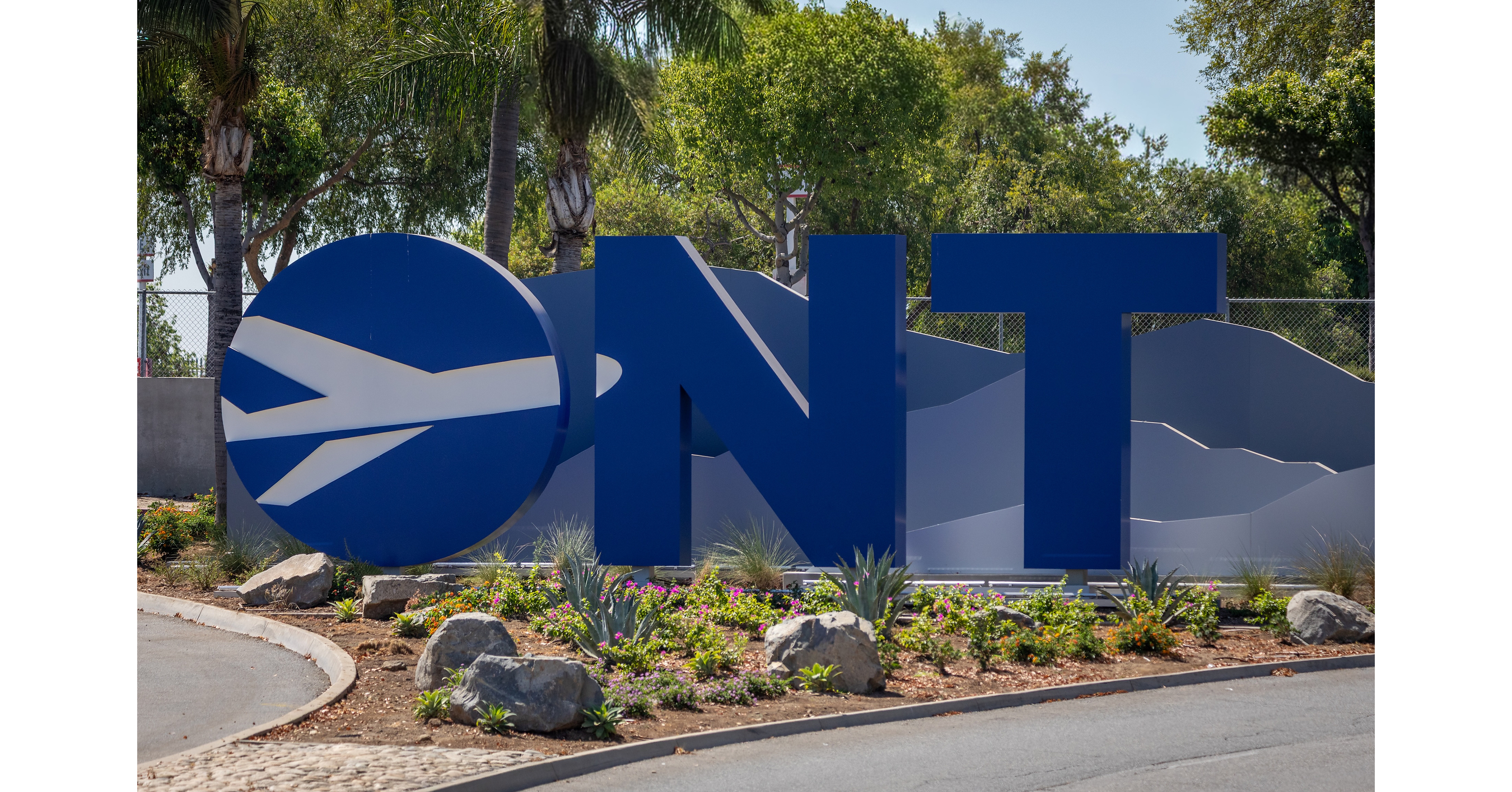
Ontario International Airport ranked No. 2 among North American medium-sized airports in JD Power's 2026 satisfaction study for the second consecutive year, scoring 705 and trailing the top-ranked airport by 7 points. ONT ranked No. 1 for arrival experience and passenger trust, while passenger volumes have risen 75% since local ownership began in 2016. The airport expects to serve more than 7 million travelers in 2026 as it plans further capacity and facility growth.
Analysis
This is not directly investable: ONT is publicly owned, and a satisfaction award has no independently quantifiable earnings impact. The relevant signal is that Inland Empire airport capacity is becoming a more credible substitute for congested Los Angeles-area hubs, but the passenger-growth claim should be treated as operational context rather than a demand forecast until airline schedule additions, load factors, and concession revenue are disclosed.
Over the next 1-3 months, there is little reason for a market reaction in listed airport, airline, or infrastructure securities. The more relevant 6-18 month implication is marginal traffic diversion from LAX toward ONT, which could support airline unit economics only if local-origin demand and airport-cost advantages persist; otherwise, added service merely reallocates Southern California capacity and pressures yields. Potential indirect beneficiaries include ULCCs and point-to-point carriers such as Southwest (LUV), Frontier (ULCC), and Allegiant (ALGT), while Alaska (ALK), Delta (DAL), United (UAL), and American (AAL) could use ONT selectively to protect regional share without adding costly LAX gate exposure.
The contrarian view is that higher satisfaction can become a capacity-management liability: sustained growth often requires terminal, roadway, parking, and security investment before aeronautical revenues scale, raising airline fees or municipal capital needs. A deterioration in TSA wait times, parking availability, or airline on-time performance as utilization rises would quickly erase the differentiator; monitor airline published schedules, passenger throughput versus terminal capacity, and any announced capital plan or airline-use-and-lease agreement.
AllMind Terminal
AI-powered research, real-time alerts, and portfolio analytics for institutional investors.
Request TrialMarket Sentiment
Overall Sentiment
moderately positive
Sentiment Score
0.42
Key Decisions for Investors
- No standalone trade on this release; do not infer a revenue catalyst for any listed issuer from an airport satisfaction ranking.
- Create a 6-12 month watchlist for LUV, ULCC, ALGT, and ALK: upgrade the airport-growth thesis only if winter/summer schedules show sustained ONT capacity additions and local fare data demonstrate a yield premium or lower airport-cost offset versus LAX.
- For Southern California airline-exposure books, monitor ONT capital-program announcements and airline fee proposals. A material increase in per-enplanement charges would be a negative margin signal for ULCC and LUV, whose low-fare models have less ability to pass through local cost inflation.
- Use LUV/ULCC relative performance versus DAL/UAL as a diagnostic rather than a position: persistent outperformance alongside ONT capacity growth would support the point-to-point substitution thesis; weak yields or reduced schedules would falsify it.
More News
- Japan’s corporate leaders sound alarm over weak yen — even dollar-earners are voicing concerns
- 'Hostile act': Trump threatens EU with tariffs over Canada associate-membership proposal
- US military claims Strait of Hormuz remains open amid ongoing blockade
- US official says upcoming spectrum auctions could generate more than $100 billion
- 'Science fiction': Transport companies — the backbone of economy — are sounding alarm on fuel prices
- What to know about US Federal Reserve’s first interest rate hike in 3 years
From AllMind Research
- Anthropic IPO Preview: Valuation, Timing, and What to Watch
- Shein After the IPO: Venue, Valuation, and What Must Be Proved
- What AI Research Tools Should a Small Hedge Fund Buy First?
- What a Concept From Nature Tells Us About How C-Suite Executives Actually Think About AI
- How to Track Earnings Call Sentiment Across Companies