
GMP Labeling Celebrates 40 Years of US Manufacturing for Regulated Industries
Source: PR Newswire
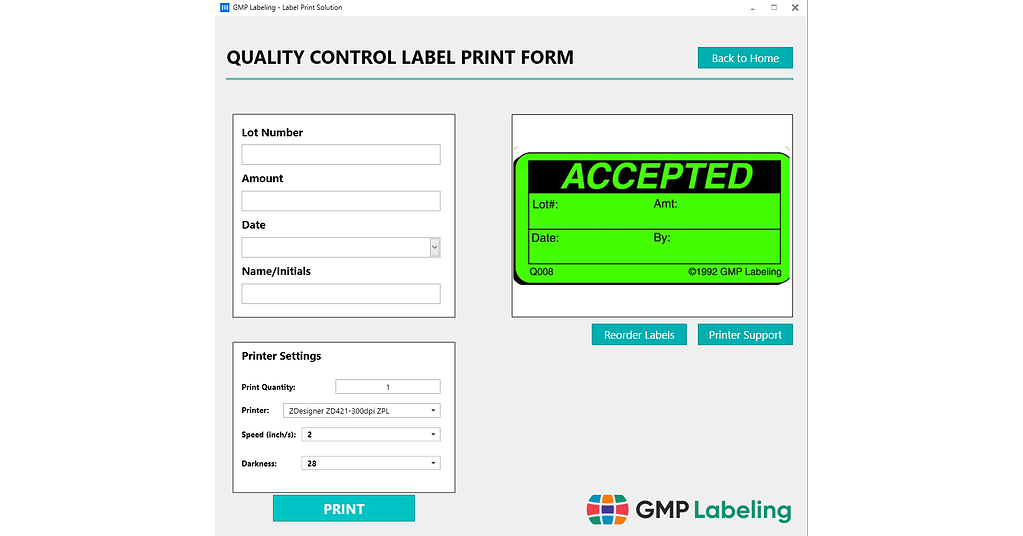
GMP Labeling highlighted its nearly 40-year U.S. manufacturing presence and ISO 9001-certified labeling systems for pharmaceutical, biotech, and medical-device production. The company positions domestic inventory, revision-controlled materials, and labels engineered for cryogenic, autoclave, and xylene conditions as safeguards against supply-chain disruptions and compliance risks. The announcement is primarily a corporate positioning update with limited near-term market impact.
Analysis
This is not a directional read-through for listed pharma or medtech: traceability consumables are a de minimis portion of COGS, and a privately held supplier’s marketing claims do not establish an incremental revenue event. The investable implication is instead that supplier qualification and documentation requirements create high switching costs in a fragmented, low-ticket consumables niche; domestic sourcing can modestly improve resilience but will not alter large-cap manufacturing margins.
The more relevant second-order exposure is to companies monetizing regulated production complexity rather than labels themselves. Danaher (DHR), Thermo Fisher (TMO), Avantor (AVTR), and West Pharmaceutical Services (WST) benefit when customers add capacity, validation workflows, and controlled-environment infrastructure. However, label availability is a bottleneck only during acute disruptions; absent evidence of shortages, recalls, or FDA observations tied to traceability failures, this remains a watch item rather than a catalyst.
Over the next 1-3 months, monitor FDA warning-letter trends, biologics facility commissioning activity, and any tariff or freight shock affecting specialty materials. A sustained increase in domestic-manufacturing requirements would favor US-based life-science tools and packaging vendors over import-dependent consumables distributors, but the likely financial effect is gradual over 6-18 months. The contrarian point: resilience spending is often overstated in supplier marketing; procurement teams generally dual-source low-cost labels rather than pay materially higher prices, limiting pricing power.
AllMind Terminal
AI-powered research, real-time alerts, and portfolio analytics for institutional investors.
Request TrialMarket Sentiment
Overall Sentiment
mildly positive
Sentiment Score
0.18
Key Decisions for Investors
- No standalone trade on this release; treat as a low-signal indicator rather than evidence of a revenue inflection for public life-sciences companies.
- Maintain a watchlist long basket of DHR/TMO versus short XBI only if FDA inspection activity or domestic-capex announcements accelerate; tools suppliers capture compliance and capacity spend with less binary clinical-trial exposure. Reassess after the next quarterly guidance cycle.
- Watch AVTR for evidence that consumables destocking has ended and bioprocess demand is recovering; a sequential organic-growth reacceleration would be a more actionable confirmation than isolated supply-chain messaging. Falsifier: another guide-down driven by customer inventory reduction.
- If new tariffs or logistics disruption materially raise specialty-material lead times, favor DHR and TMO over import-sensitive broad healthcare suppliers for a 3-6 month relative-value trade; do not initiate without independently verified lead-time or pricing data.
More News
- US to send third aircraft carrier towards Iran: US official to Al Jazeera
- U.S. market regulator seeks to make it easier for funds, advisers to hold crypto
- Trump says US may ask Europe to release diesel reserves
- Latin America most exposed to any US ban on diesel exports, Goldman Sachs says
- Oil holds gains as U.S. weighs more Middle East military presence
- Nvidia Faces Questions Over China AI Chip Smuggling Cases