
XCOTTON Helps Global Brands Protect Every Customer After Purchase
Source: PR Newswire
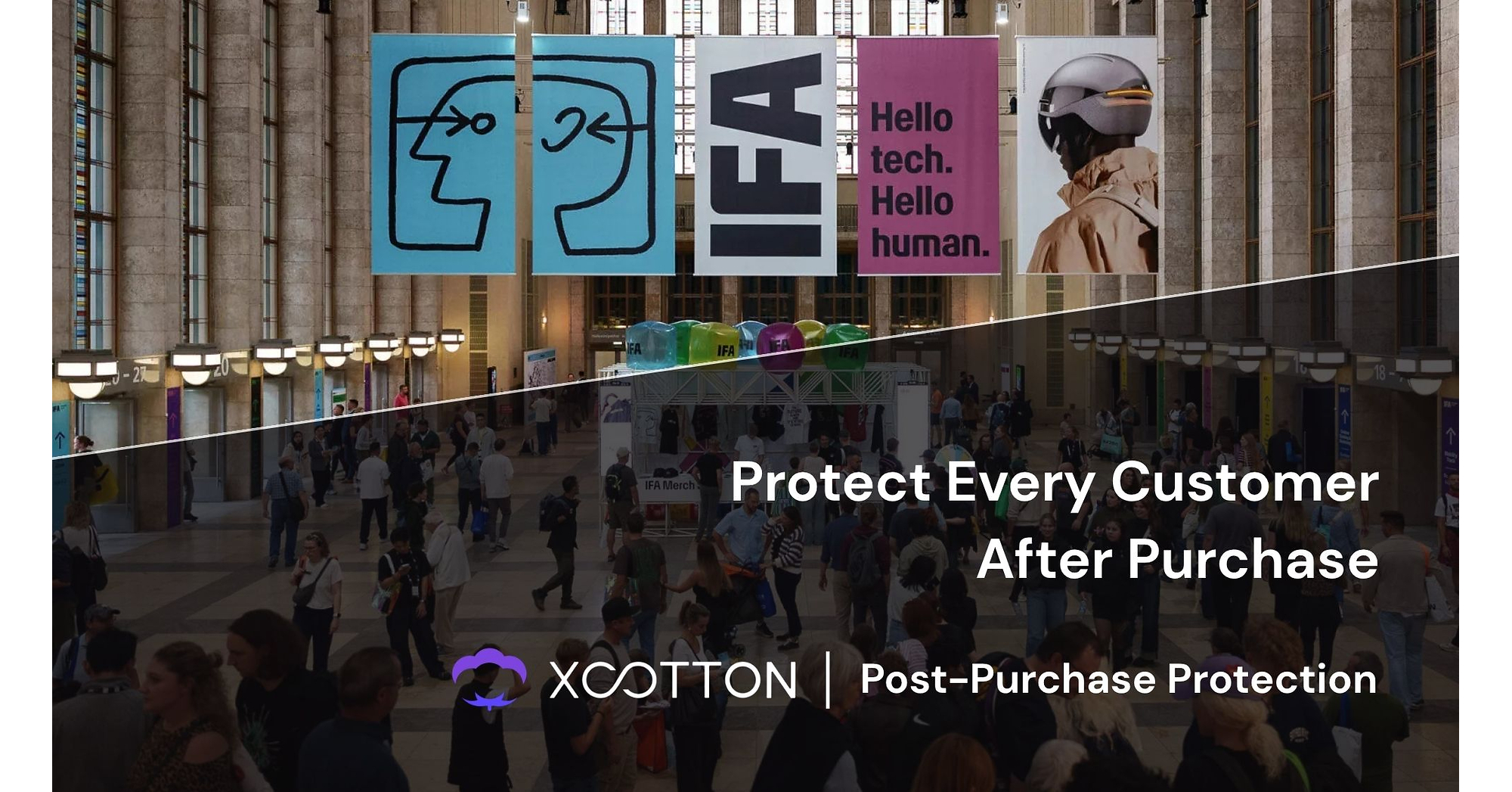
Xcotton promoted its post-purchase protection platform at IFA 2026, offering shipping protection, product protection, extended warranties and insurance-backed coverage for e-commerce merchants. The company said it has more than 1,000 five-star Trustpilot ratings and can provide compliant insurance solutions across the EU through its licensed French insurance intermediary. The announcement emphasizes reducing delivery-loss, damage and claims-resolution friction as DTC brands expand internationally, but provides no financial results, customer-volume metrics, or material commercial agreements.
Analysis
This is not presently material to SHOP’s earnings: a third-party merchant app can improve checkout conversion or reduce support tickets at the margin, but it does not alter Shopify’s take rate unless it becomes a scaled payments, app-revenue, or merchant-retention partner. The relevant mechanism is instead competitive pressure on existing parcel-protection and warranty vendors, particularly Route (private), Extend (private), and Assurant (AIZ), where economics depend on attach rates, loss ratios, and merchant/customer willingness to pay for coverage. No merchant count, GMV processed, premium volume, claims ratio, or named commercial partnership is disclosed, so the announced capability has no independently verifiable revenue read-through.
Over 1-3 months, the useful diligence signal is whether the platform appears in high-AOV Shopify categories—e-bikes, furniture, robotics and consumer electronics—where theft, damage, reverse-logistics costs and warranty claims can materially erode gross margin. For SHOP, a broad merchant adoption trend would be modestly supportive to ecosystem stickiness, but any customer-facing protection fee can also create checkout friction if perceived as a junk-fee add-on; conversion data is the key missing variable. Over 6-18 months, EU insurance-intermediary compliance could become a moat only if licensing is paired with carrier integrations and a demonstrably superior claims-loss ratio; otherwise incumbents with balance-sheet capacity and established underwriting partnerships retain the advantage.
Contrarian view: the market often treats post-purchase protection as pure incremental-margin software, but adverse selection is the central risk. High-risk cross-border and bulky-item merchants may generate the highest apparent demand while producing the weakest underwriting economics, especially if claims windows are expanded. A higher claims approval rate can improve NPS while worsening merchant pricing and renewal economics; watch disclosed loss ratios, refund/replacement costs, and carrier theft trends before extrapolating a growth narrative.
AllMind Terminal
AI-powered research, real-time alerts, and portfolio analytics for institutional investors.
Request TrialMarket Sentiment
Overall Sentiment
mildly positive
Sentiment Score
0.18
Ticker Sentiment
Key Decisions for Investors
- No directional trade in SHOP on this item; maintain existing thesis only. Set a 1-3 month alert for a disclosed Shopify app-store ranking, named enterprise merchant wins, GMV/premium volume, or a formal SHOP partnership—without those data, the potential revenue impact is below investable materiality.
- Monitor AIZ and other warranty/protection incumbents for competitive pricing evidence rather than shorting preemptively. Consider a relative-value long AIZ / short a high-multiple private-market proxy only if merchant protection pricing falls while claims frequency remains elevated; current disclosure does not establish disruption.
- For consumer electronics and bulky DTC merchants, track Q4 delivery-loss and return-rate commentary from UPS and FDX as an indirect catalyst. Rising parcel-exception rates could increase protection attach rates, but would also raise claim severity and may be net negative for underwriters if repricing lags.
- Treat TRST as a data-quality watch item rather than a recommendation: the referenced review platform is not sufficient evidence of an investable linkage to the supplied ticker. Do not infer financial exposure absent confirmation of the issuer and commercial relationship.
More News
- Mark Zuckerberg says over 10 million people used Meta’s Muse—and demand was so high, he had to get Stripe to raise credit limits
- Claude Duet app is Anthropic’s bet on agents
- Are global oil reserves sufficient to withstand renewed US-Iran war?
- OpenAI Trims Target Value & Volvo Cars Cuts 2,500 Jobs
- U.S. oil holds above $100, Brent at five-month high as Iran says it’s prepared for warfare
- The mobile ambitions of SpaceX see telecom stocks get hit again. What the latest developments mean.