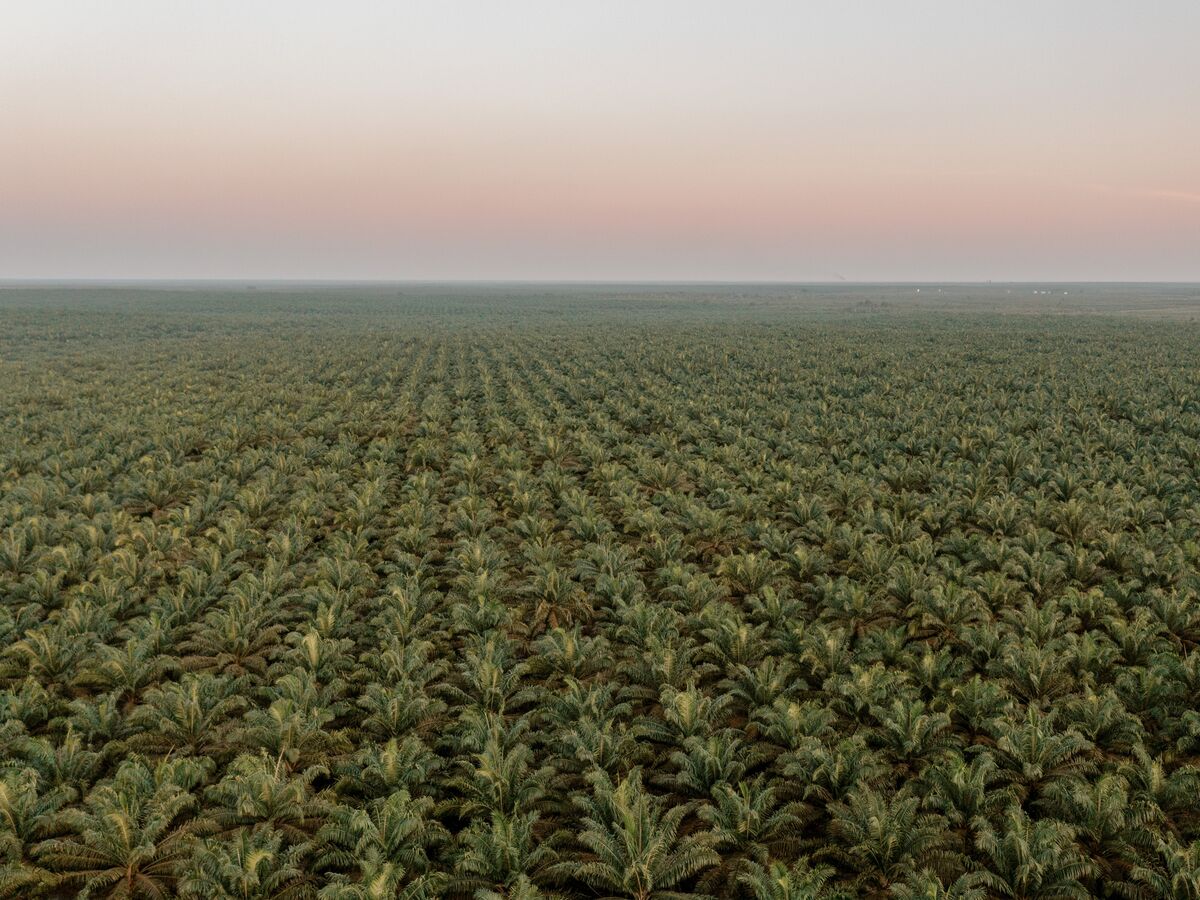
Palm oil is set for a second straight weekly gain on expectations of stronger Indian demand and support from higher crude prices. Kuala Lumpur futures traded near 4,590 ringgit ($1,125) per ton, up ~1% on the week, with prices largely stable versus the prior session.
The more durable signal here is not the weekly price move itself, but the tightening of the relative economics between edible oils and energy. If crude stays firm, palm oil gains a hidden tailwind from biodiesel blending economics, which can pull incremental discretionary demand into the market even if food-use demand is only steady. That makes the move more self-reinforcing over the next 1-3 months than a simple India restocking headline would suggest.
Winners are the low-cost plantation producers and integrated refiners in Malaysia/Indonesia; they get operating leverage if futures stay elevated and local currencies do not fully offset the benefit. The second-order losers are downstream food manufacturers and packaged-food margins globally, but the more immediate competitive effect is on substitute oils: soy, canola, and sunflower become relatively more attractive when palm premiums widen, which can cap palm’s upside if substitution accelerates. Any rally that is mostly driven by crude rather than palm-specific supply will be fragile if energy rolls over.
The main risk is that the market extrapolates a demand inflection from a price-insensitive buying window. India can front-load purchases, so spot support can fade quickly if inventories normalize or if policy/tariff settings change; that is a days-to-weeks risk. Over 6-18 months, the structural floor is higher only if biofuel mandates keep absorbing supply; otherwise, this is still a commodity with strong mean reversion once Brent weakens or South American oilseed supply improves.
AI-powered research, real-time alerts, and portfolio analytics for institutional investors.
Request TrialOverall Sentiment
mildly positive
Sentiment Score
0.25
