
Brevel, Wave Group Build Illuminated Fermentation Biomanufacturing Plant
Source: PR Newswire
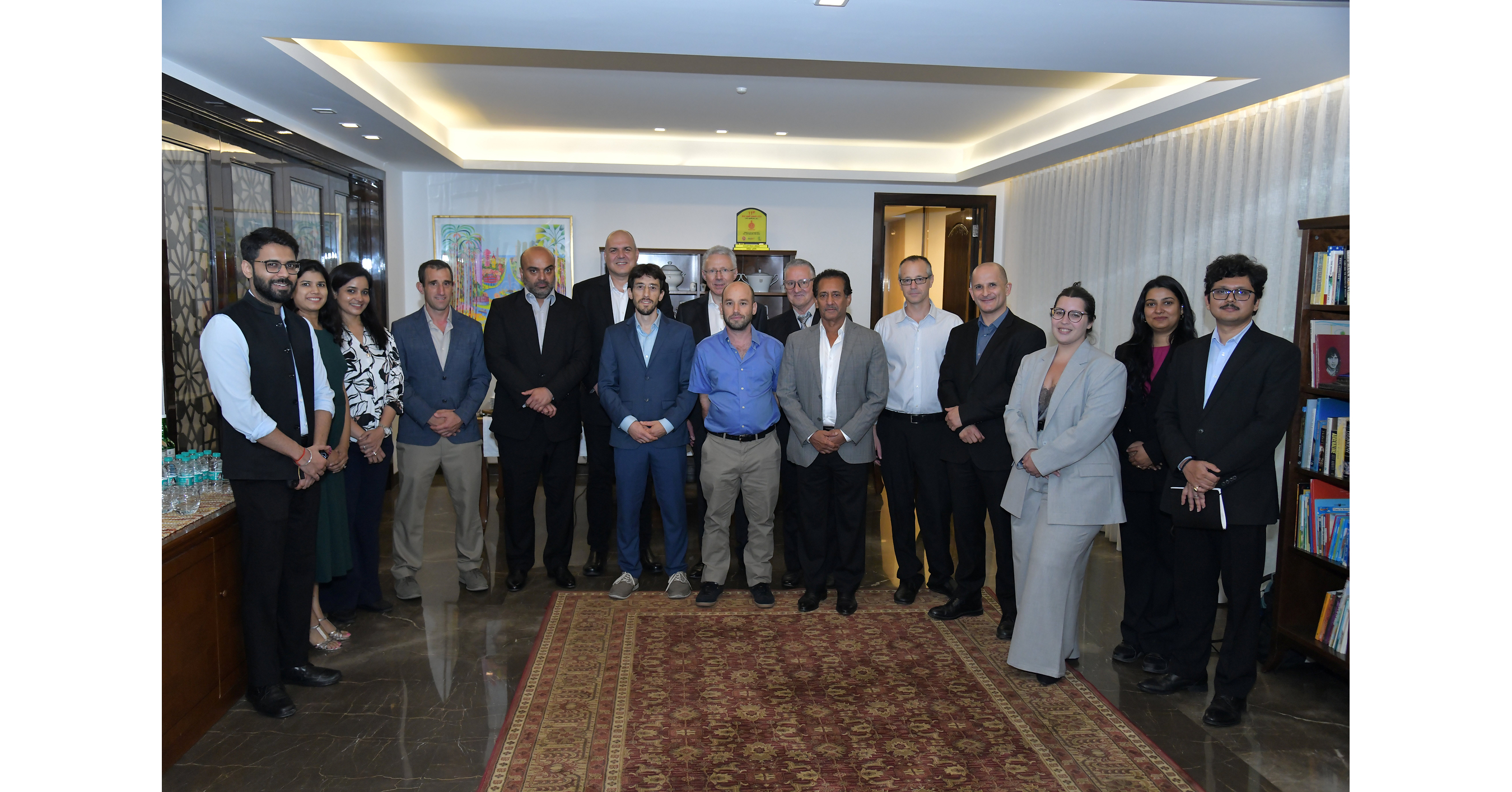
Brevel and India's Wave Group signed a 50/50 joint-venture agreement for a biomanufacturing plant in Uttar Pradesh, with Wave funding an estimated $10–15 million investment. The facility is designed for 300,000 liters of capacity, up from Brevel’s existing 5,000-liter bioreactor, with construction expected to begin later in 2026 and full-scale production targeted in 18 months. It will initially produce clean-label chlorella and use sugar-mill side streams as fermentation inputs; the partnership is a commercial-scale expansion, but production and cost benefits remain prospective.
Analysis
The investable signal is execution optionality, not yet proof of a differentiated ingredient business. Wave’s funding and sugar-mill proximity could ease Brevel’s capital burden and lower input/logistics costs; the counter-risk is that variable side-stream composition, pretreatment needs, or seasonal availability erodes the claimed cost advantage. A 50/50 structure also creates governance and commercialization dependencies, while scaling from pilot/commercial volumes to the new design is a meaningful process-validation hurdle. The initial chlorella product may face price competition from established algae suppliers, so capacity alone does not establish attractive margins or customer adoption. Longer term, a verified low-cost process could pressure conventional cultivation and fermentation routes and provide a manufacturing option for partners such as Ayana Bio, but that platform value remains unproven.
Near term, this is a private-company announcement with no direct listed-equity expression; press-release claims of successful trials and lower costs need independent validation. Over 1–3 months, monitor construction commitments, customer qualification/offtake, and disclosure of unit economics. Over 6–18 months, the key test is commissioning and sustained output at commercial quality—not nominal vessel capacity. The thesis weakens if construction slips, qualification takes longer than planned, or delivered cost fails to beat incumbent supply. Contrarian view: the market may overvalue the scale-up headline; the more important upside is a repeatable, licensable platform, but that requires evidence beyond a single facility.
AllMind Terminal
AI-powered research, real-time alerts, and portfolio analytics for institutional investors.
Request TrialMarket Sentiment
Overall Sentiment
moderately positive
Sentiment Score
0.55
Key Decisions for Investors
- No immediate public-equity trade: Brevel and The Wave Group are private and the supplied data identifies no listed exposure. Avoid forcing a proxy position without evidence of material revenue linkage.
- Put the project on a catalyst watchlist. Before treating the cost advantage as investable, seek disclosure on side-stream preprocessing, feedstock variability, product yield, energy use, customer qualification, and contracted volumes.
- For any future exposure to public algae or food-ingredient suppliers, frame the risk as conditional competitive pressure—not current earnings impact—and require evidence of sustained commercial output and price competitiveness before changing estimates.
- Falsifiers: delayed construction or commissioning, failure to secure repeat customers, inconsistent product quality, or cost per unit that does not compare favorably with incumbent chlorella supply.
More News
- The U.S. market has never been more focused on one single bet—but AI’s payoff will likely take decades
- Meta put out an ambitious roadmap to Muse monetization after strong quarter and guide
- Elon Musk Thinks $3.5 Trillion Tesla-SpaceX Mashup Is a Good Idea
- Futures orbit around SpaceX as Tesla merger talk cheers investors
- Critical web security flaws spark global alarm as Google, OpenAI and Amazon respond
- SpaceX gives the AI trade a shot in the arm. What it means for our stocks