
In HelloNation, Physical Therapy Expert Dr. J. Rashid Explains Why Prehab & Post-Surgical Rehab Are Both Critical for Full Recovery
Source: PR Newswire
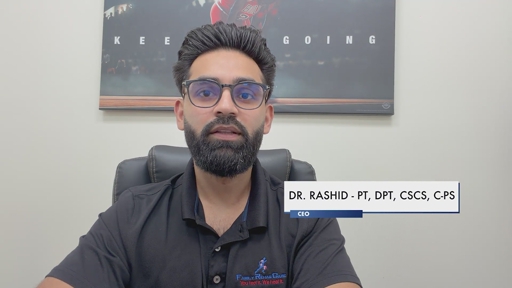
HelloNation published an expert feature stating that structured pre-operative and post-operative physical therapy is essential to restore strength, mobility, coordination, and long-term function after surgery. The article argues that skipping rehabilitation can cause stiffness, weakness, compensatory movement patterns, and later reinjury, while prehab and work-hardening programs can improve recovery readiness. The item is educational promotional content with no material public-market implications.
Analysis
This is promotional local-provider content rather than a new reimbursement, utilization, clinical-evidence, or regulatory datapoint; it does not alter near-term earnings expectations for publicly traded rehabilitation operators, orthopedic-device vendors, or managed-care organizations. The market-relevant mechanism—greater adherence to pre- and post-operative therapy—would be diffuse and dependent on referral behavior, payer authorization, patient cost-sharing, and provider capacity, none of which is evidenced here.
If therapy utilization were to improve broadly, outpatient rehab platforms such as USPH and PTCT could see incremental visits per surgical episode, while orthopedic implant companies including SYK, ZBH, and EW could benefit indirectly from better functional outcomes supporting procedure volumes and patient satisfaction. The offset is payer pressure: HUM, UNH, and CVS/Aetna have incentives to constrain visit intensity through prior authorization and site-of-care management, limiting margin capture by therapy providers even if clinical demand rises.
No trade is warranted from this item. Over the next 6-18 months, the actionable question is whether commercial and Medicare Advantage payers expand episode-based musculoskeletal programs that financially reward reduced readmissions and faster return-to-work; that could favor scaled therapy networks with employer and payer contracts, but would be a policy/contract catalyst rather than a consequence of this media feature.
AllMind Terminal
AI-powered research, real-time alerts, and portfolio analytics for institutional investors.
Request TrialMarket Sentiment
Overall Sentiment
neutral
Sentiment Score
0.05
Key Decisions for Investors
- No position based on this release; treat it as non-investable promotional content with no identifiable earnings catalyst in the next 1-3 months.
- Monitor USPH and PTCT quarterly for same-clinic visit growth, visits per case, referral volumes, and payer-rate realization. A sustained acceleration in visits per patient without corresponding authorization denials would support a 6-12 month long thesis; absent that evidence, utilization upside is speculative.
- Watch HUM, UNH, and CVS/Aetna disclosures for musculoskeletal prior-authorization trends and value-based care contracts. Rising authorization friction or lower therapy unit reimbursement would falsify a bullish outpatient-PT utilization thesis even if orthopedic procedure volumes remain healthy.
- For orthopedic exposure, use SYK or ZBH procedure-volume guidance and elective-surgery demand as the primary signal rather than rehabilitation commentary; a material downward revision to hips/knees volumes would outweigh any theoretical benefit from improved rehabilitation adherence.
More News
- Your health insurance premiums may take a big jump in 2027 — here's why
- Big Pharma turns to China for new drugs as patent cliff drives multibillion-dollar deals
- Why Lilly and Novo are betting on amylin to power a new wave of obesity drugs after GLP-1s
- Recent lobbyist for Palantir had key role in helping Andy Burnham become PM
- A $30 Billion Healthcare Funding Problem Is Dividing California
- Liquidia stock price target cut to $58 by H.C. Wainwright on patent uncertainty