
RBNZ More Likely To Wait Until December to Hike, Silk Says
Source: Bloomberg
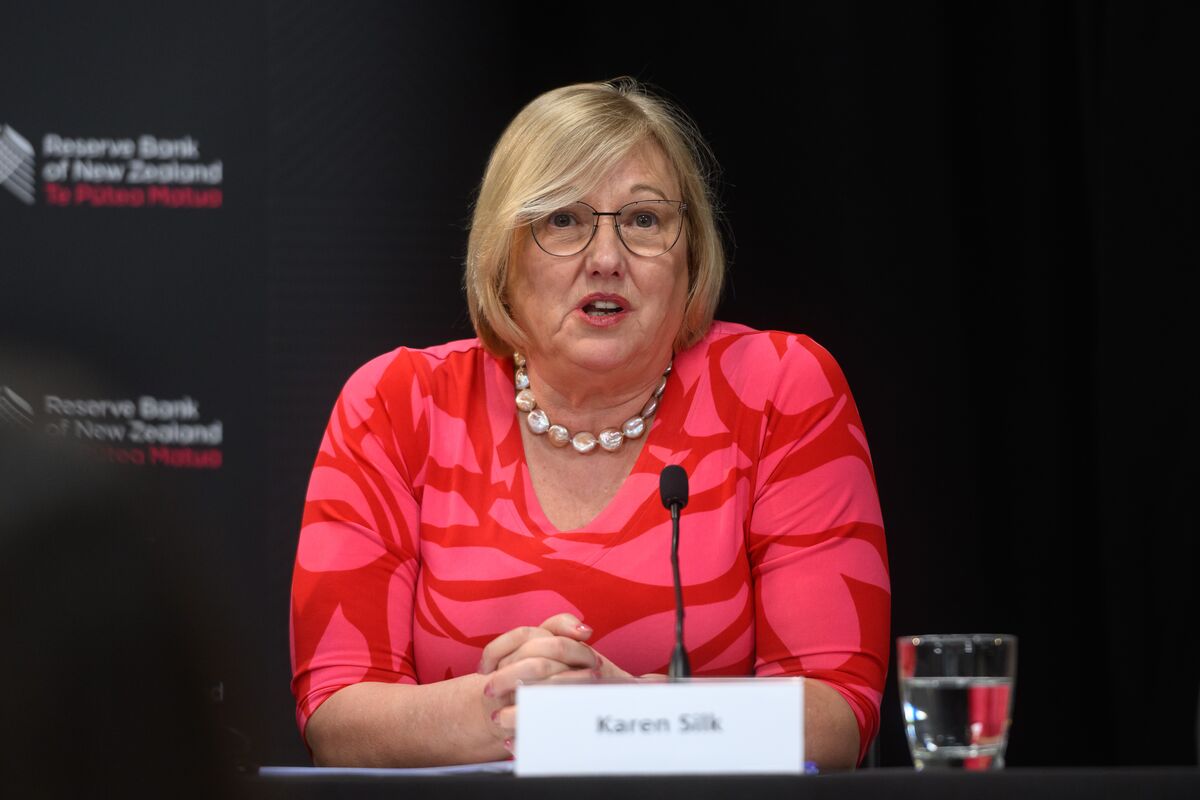
RBNZ signaled it is more likely to wait until December to hike again, with Assistant Governor Karen Silk saying the central bank wants time to assess the impact of increases already made. The Reserve Bank raised the Official Cash Rate for a second straight meeting, but investors trimmed expectations for an October move and pushed most odds to a December hike. Market pricing shifts suggest a meaningful, though not market-wide, impact on NZ rates and rate-sensitive assets.
Analysis
This is primarily a timing signal, not a change in terminal-rate path. The market already moved to a December hike, so the near-term edge is in front-end rate volatility: if incoming inflation/labor data soften, the probability of an October-style repricing collapses fast and the 2-year swap curve should rally more than the headlines imply. The key mechanism is lagged monetary transmission; the central bank is effectively buying time to see whether existing tightening is sufficient, which raises the odds that the next move is deferred rather than repeated.
For domestic banks and mortgage-heavy assets, the mix is mixed but skewed slightly negative for risk assets tied to housing turnover. A six-week delay preserves pressure on borrowers without delivering enough incremental margin relief to matter in the next earnings print, while credit-quality deterioration tends to show up with a lag. That makes NZ bank proxies like CBSU and ZLDPF less attractive as a "more hikes" trade; the upside from higher-for-longer is already partially in the tape, but the downside from a December skip is larger if growth data weaken.
The contrarian view is that consensus is anchoring on December too confidently. If the bank is willing to wait now, it is implicitly signaling that one more hike may not be enough to meaningfully change the inflation trajectory; that raises the risk of an extended plateau or even an early pause if activity slows. Falsifier: a firm upside surprise in core inflation or wages over the next 4-8 weeks would pull pricing back forward and punish any front-end receiver position.
AllMind Terminal
AI-powered research, real-time alerts, and portfolio analytics for institutional investors.
Request TrialMarket Sentiment
Overall Sentiment
neutral
Sentiment Score
-0.10
Key Decisions for Investors
- Stay neutral on the next meeting, but buy NZ 2-year rates on any dovish data surprise over the next 2-4 weeks; best risk/reward is via receivers or a long duration hedge, with a tight stop if December hike pricing re-accelerates.
- Reduce exposure to NZ housing-sensitive or floating-rate leveraged names; if CBSU and ZLDPF are domestic bank proxies, treat them as hold-to-neutral rather than adding ahead of the December meeting because the NIM upside is already mostly priced.
- If you need a relative-value trade, pair long NZ duration against short NZ bank beta: front-end rates should outperform if the bank keeps waiting, while equity upside is capped by credit and housing lag effects.
- Set a catalyst alert for the next CPI and labor prints; if either comes in soft, expect the market to pull December pricing out and cover front-end shorts quickly.
More News
- Indonesian stocks plunge to six-year low as MSCI downgrade fears mount
- Indonesia Said to Meet Monday With MSCI Over Shock Index Threat
- China's economic growth quickens to 4.6% as exports surge, stimulus rolls out
- China’s Coal Output Drops as Concerns Build Over Winter Supply
- Asian stocks skid, Wall Street and bonds aided by oil slip
- India’s Finance Minister blames easy exits and excess liquidity for equity market's underperformance
From AllMind Research
- Anthropic IPO Preview: Valuation, Timing, and What to Watch
- Shein After the IPO: Venue, Valuation, and What Must Be Proved
- What AI Research Tools Should a Small Hedge Fund Buy First?
- The $4.7 Trillion Bet: When Does AI Capex Become AI Revenue?
- Equity Research Automation Statistics: A 2026 Evidence Check