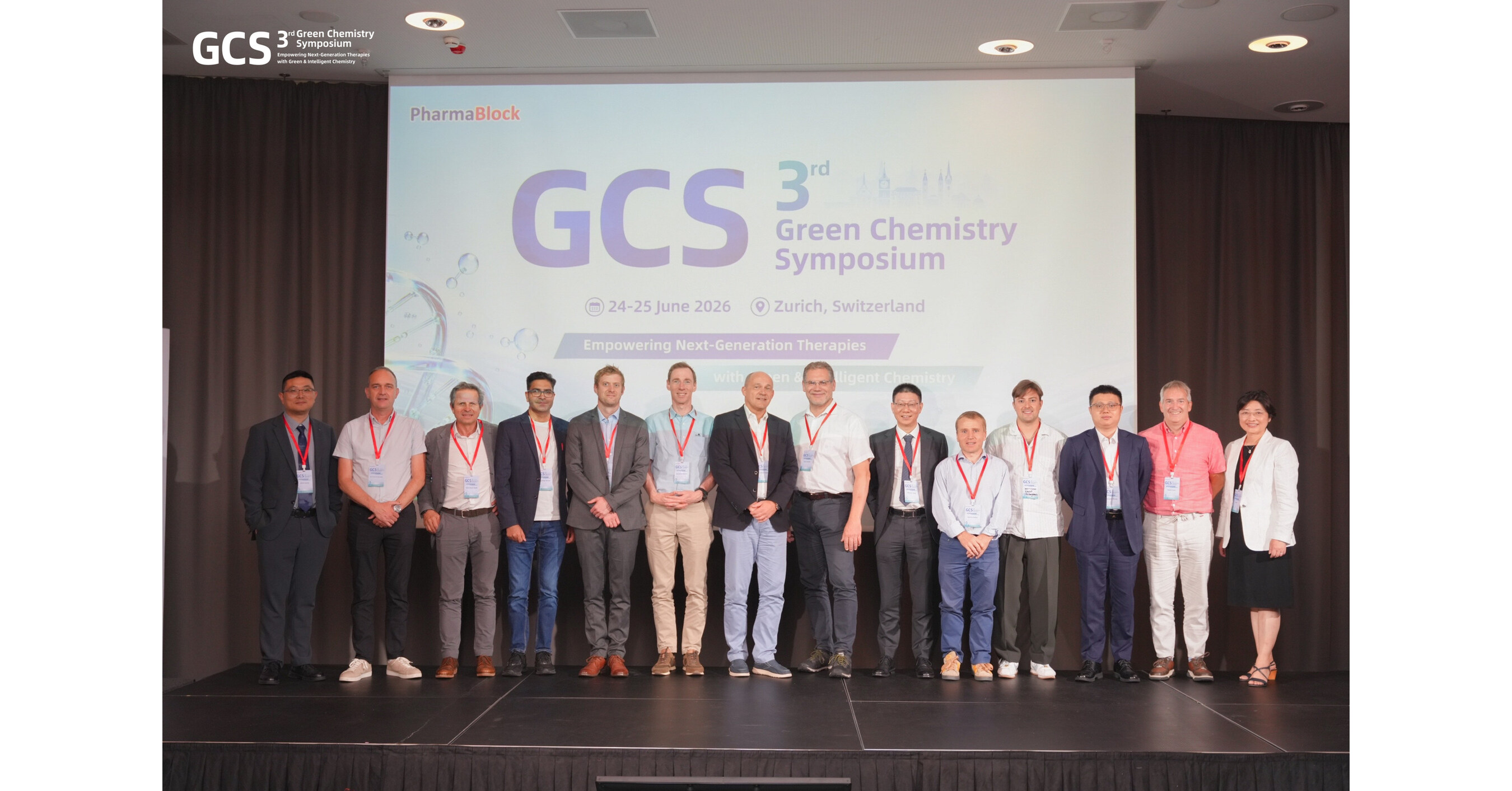
PharmaBlock convened the 3rd Green Chemistry Symposium in Zurich, focusing on decarbonizing pharmaceutical manufacturing via continuous flow processes and technologies such as photochemistry, electrochemistry, automation, and AI-assisted process development. The event highlighted reported benefits from continuous manufacturing, including lower solvent use and reduced Process Mass Intensity (PMI), along with measurable greenhouse-gas emission reductions, plus progress in greener peptide synthesis (bio-based green solvents and enzymatic ligation). PharmaBlock also showcased its Integrated Flow Manufacturing Platform and CF-LPPS platform and inaugurated a Swiss Green-Tech Innovation Hub, signaling continued product/platform rollout rather than a near-term financial catalyst.
This reads more like a manufacturing-optionalities story than a near-term demand driver. The economic value sits in lower batch failure rates, less solvent, shorter scale-up cycles, and better Scope 3 procurement scores; those benefits matter most in late-stage CMC and complex modalities, and they usually show up in margin stability before they show up in top-line growth. For the large pharmas, the upside is incremental: a few bps of gross margin, some working-capital efficiency, and a better hand in supplier negotiations, not an immediate EPS inflection.
The second-order winner is the ecosystem around continuous-flow, analytics, and process automation. If procurement teams start embedding carbon intensity and lifecycle data into vendor qualification, suppliers with weak traceability or legacy batch-heavy plants can lose share even if their unit costs look competitive on paper. That creates a slow but real moat shift toward firms that can prove reproducibility, not just price, and it could favor European incumbents with tighter operating discipline over fragmented API players.
The contrarian risk is that sustainability language is running ahead of validated commercial adoption. Regulatory comparability, QA revalidation, and sunk capex make this a 12-36 month conversion story; if earnings calls don’t start quantifying retrofit budgets, throughput gains, or CMC wins, the market should fade the theme. The catalyst to watch is whether management teams start discussing continuous manufacturing and Scope 3 in capital allocation terms; absent that, this is mostly a watch item rather than a standalone stock catalyst.
AI-powered research, real-time alerts, and portfolio analytics for institutional investors.
Request TrialOverall Sentiment
mildly positive
Sentiment Score
0.18
Ticker Sentiment
