
Niutech Signs Agreement with Global Energy Major for Waste Plastic Pyrolysis Line to Produce SAF
Source: PR Newswire
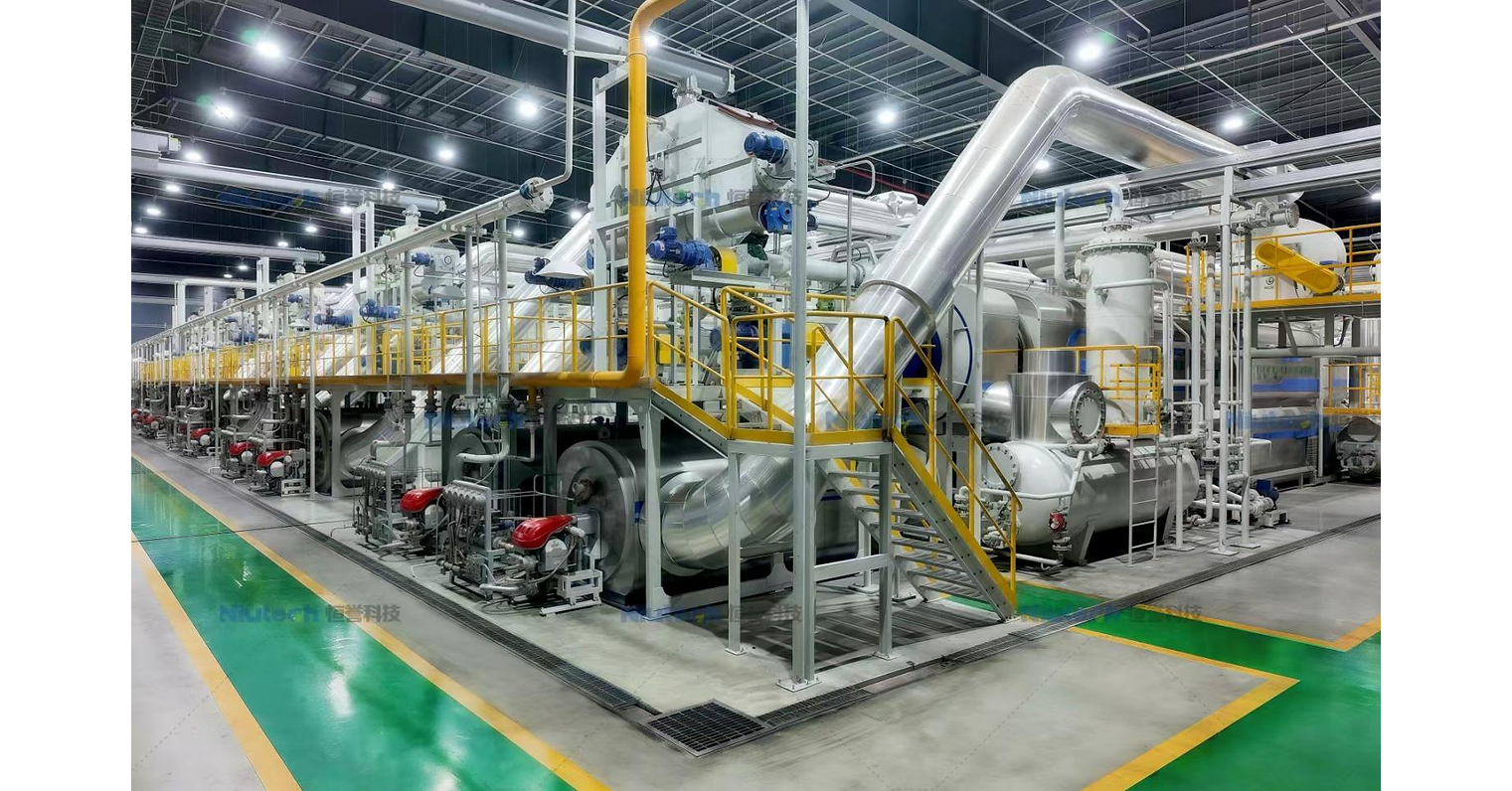
Niutech signed an agreement with a global energy major to supply an Industrial Continuous Waste Plastic Pyrolysis line using its patented technology, with single-unit capacity of 10,000–50,000 tons per year. The project will upgrade the customer’s refinery to convert pyrolysis oil into hydrotreated SAF, supporting aviation decarbonization amid EU ReFuelEU mandates (2% SAF blending from 2025, 6% by 2030, 70% by 2050) and similar UK/Singapore requirements. The deal represents the company’s first entry into the customer’s equipment supply chain and the start of a long-term partnership, with waste plastics positioned as an alternative SAF feedstock given tight used cooking oil supply.
Analysis
This reads less like a near-term earnings event and more like a signal that a previously experimental SAF feedstock route is moving into refinery integration. The first economic winner is the equipment/vendor side, but the larger option value sits with integrated refiners that can absorb capex, manage permitting, and run long qualification cycles; that is where the margin pool migrates if this pathway scales. The second-order loser is the scarcity premium embedded in UCO/tallow-linked SAF chains: if plastic-derived oil becomes bankable, feedstock inflation eases and the market can support more SAF output without relying on a single constrained input.
The market is likely underpricing execution risk. For this to matter commercially, the bottleneck is not reactor throughput alone but product certification, carbon-intensity accounting, and stable yields across mixed waste streams; that makes the time horizon months to years, not days. A second large order, a disclosed FID, or commissioning data would be the real catalyst; absent that, this is still a headline, not a secular step-change. Falsifiers are straightforward: no follow-on orders within 1-3 months, no evidence of SAF-grade output, or a policy/economic backdrop that narrows the spread versus conventional jet fuel.
Contrarian angle: the consensus may be overestimating how quickly this displaces UCO while underestimating who captures value. If the route works, it likely accrues to incumbents with refinery assets and balance-sheet capacity, while pure-play feedstock/collection businesses lose some scarcity leverage. For airlines, this is mildly constructive only in the medium term because broader feedstock optionality caps compliance-cost inflation; it is not a reason to chase aviation equities today.
AllMind Terminal
AI-powered research, real-time alerts, and portfolio analytics for institutional investors.
Request TrialMarket Sentiment
Overall Sentiment
mildly positive
Sentiment Score
0.30
Key Decisions for Investors
- No immediate trade in Niutech or the China small-cap complex; treat this as a watch item until backlog converts into audited revenue or a second strategic order appears.
- If a second project award/FID prints, go long integrated energy/refining exposure (XLE or CVX) versus short airlines (JETS) for a 1-3 month relative-value trade; thesis is refinery optionality and compliance infrastructure, not crude direction.
- Set an alert on SAF feedstock spreads and mandate enforcement: if UCO/tallow differentials tighten materially over the next quarter, fade the headline and avoid chasing SAF-related equities.
- Watch European refiners with hydrotreating optionality (SHEL, TTE) as the cleaner medium-term expression; enter only on confirmation of repeat orders or commissioning data, with the stop-loss being no follow-on commercial traction within 90 days.
More News
- Huge profits at tech and energy companies are masking this key trend
- Why this little known Chinese chipmaker has caused a global stock rout
- Apple releases HomeView smart home hub with screen as showcase for Siri AI
- Russia's Oil Exports Slow as Black Sea Loading Takes Longer
- Why did investors react so negatively to Schneider-PTC deal? M&A expert weighs in
- French fridge fright: Why supermarkets have become target for hackers