
New Research Finds Daily Peanut Consumption Benefits Brain's Response to Insulin in Memory Related Regions
Source: PR Newswire
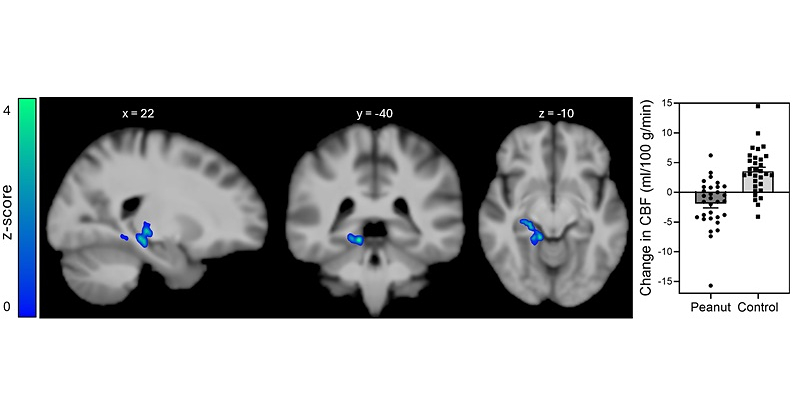
A randomized crossover study of 31 healthy adults aged 60–75 found that consuming 60 grams of unsalted, skin-roasted peanuts daily for 16 weeks beneficially affected insulin responsiveness in memory-related brain regions. The article also cites a 2025 study by the same researcher reporting 3.6% higher global cerebral blood flow and 5.8% better verbal memory after the intervention; the findings are preliminary and do not establish prevention of Alzheimer's disease.
Analysis
Signal quality and market mechanism: This is a hypothesis-generating nutrition signal, not evidence of reduced dementia incidence or a treatment effect. The measured endpoint is a brain-imaging response to intranasal insulin; translating that into durable cognitive outcomes, changed dietary behavior, or willingness to pay for peanut products requires further evidence. The small, healthy-adult sample and Peanut Institute Foundation funding warrant independent replication, notwithstanding the reported separation of the funder from study execution and analysis.
Winners/losers: Any commercial upside would accrue first to peanut-containing food brands able to support credible, compliant health positioning—not to growers through meaningful near-term volume. Even broad consumer adoption would be unlikely to move the commodity balance from this evidence alone. Peanut-free alternatives could face a marginal marketing disadvantage, but allergy constraints and product substitution limit that effect.
Timing and contrarian view: Near term, expect publicity rather than a measurable earnings catalyst. Over 1–3 months, watch for independent replication and whether brands use the finding in product claims; unsupported disease-prevention messaging could instead invite regulatory or reputational risk. Over 6–18 months, the thesis strengthens only if larger trials show replicated cognitive outcomes and consumer uptake. The likely market error is treating a promising biomarker as Alzheimer’s prevention; the opposite risk is overlooking a gradual premium-positioning opportunity if evidence accumulates. There is no company mapping or quantified commercial exposure here, so no security-specific valuation conclusion is supportable.
AllMind Terminal
AI-powered research, real-time alerts, and portfolio analytics for institutional investors.
Request TrialMarket Sentiment
Overall Sentiment
mildly positive
Sentiment Score
0.25
Key Decisions for Investors
- No trade on this study alone. Do not infer an earnings benefit for peanut growers or food companies from the biomarker result.
- Put packaged-food names with demonstrable peanut exposure on a watchlist; verify revenue exposure, product launches, and evidence of incremental sales before expressing a view.
- Reassess if independent, larger trials replicate the result and demonstrate durable cognitive benefit. Falsifiers include failed replication, no consumer uptake, or regulatory limits on health claims.
More News
- SK Hynix third-quarter profit sharply beats estimates on AI memory boost
- SK Hynix Posts Record Profit Amid AI Rush
- Anthropic's IPO could be 'speculative fiction' or a 'generational moment' — investors are split
- Anthropic Gives Traders a Pure-Play Bet on Frontier AI
- VCs will make billions on Anthropic’s IPO, but Amazon is set to make much (much) more
- Analysis-Hold or sell? High Treasury yields spur US banks to rethink bond portfolios