
PhytoHealth CEO Angel Lee Recognized for Driving the Advancement of World's First Prescription Drug for Cancer-Related Fatigue
Source: PR Newswire
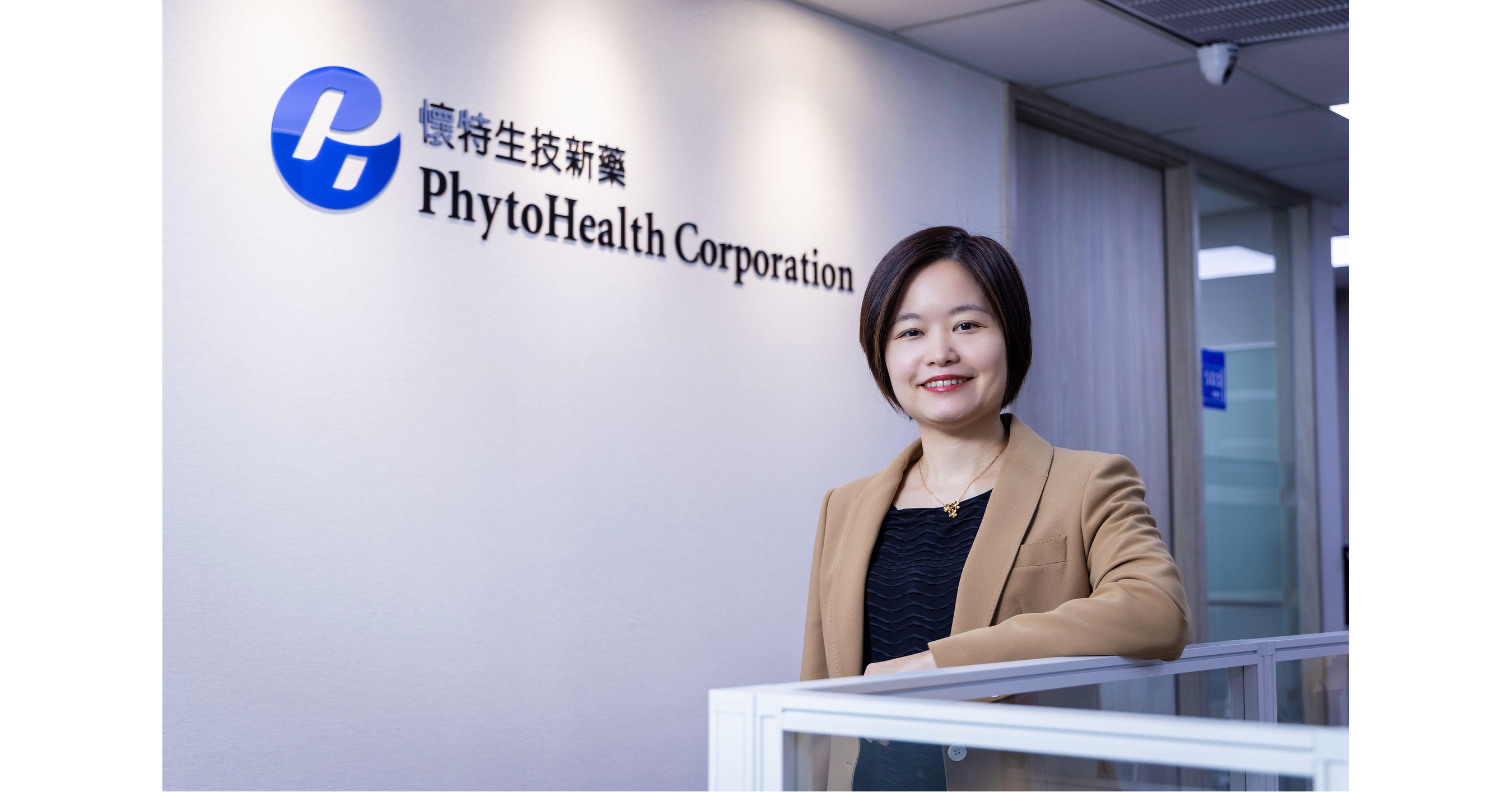
PhytoHealth CEO Angel Lee was recognized among Taiwan's Ten Outstanding Young Women for advancing PG2® Lyo. Injection, described as the world's first prescription drug approved specifically for moderate-to-severe cancer-related fatigue. PG2®, Taiwan's first approved botanical new drug, is used in Taiwanese medical institutions and is reimbursed by National Health Insurance for eligible breast-cancer patients. The company is seeking international pharmaceutical and healthcare partners to support global development of PG2® and its refined Astragalus polysaccharide platform.
Analysis
This is non-investable recognition-driven publicity rather than a commercial or regulatory catalyst. No new efficacy data, reimbursement expansion, ex-Taiwan approval, partner economics, or revenue guidance is disclosed; therefore, the claimed global opportunity cannot yet be translated into probability-adjusted sales. The key gating items are a reproducible pivotal-data package acceptable to FDA/EMA standards, a defined regulatory pathway for a complex botanical injectable, and a partner willing to fund trials, manufacturing validation, and commercialization.
JNJ has no identifiable financial exposure based on the information provided; prior professional affiliation of management does not establish a collaboration, licensing relationship, or competitive read-through. If PG2 ultimately secures broader adoption, the more relevant long-duration pressure would be on supportive-care utilization rather than core oncology drug revenue, but cancer-related-fatigue treatment is unlikely to be material to large-cap oncology franchises within the next 6-18 months. Consensus may overvalue the novelty claim: clinical awareness and local reimbursement do not establish international pricing power, differentiation versus generic symptom-management protocols, or scalable gross margins for a botanical biologic-like manufacturing process.
Near-term upside would require a named multinational partner with meaningful upfront payment and committed development spend, or publication of controlled trial data demonstrating durable functional improvement that changes treatment guidelines. The thesis is falsified positively by disclosed licensing economics and regulatory milestones; negatively by continued absence of partner announcements, reimbursement broadening, or independently validated clinical data over the next 12-18 months.
AllMind Terminal
AI-powered research, real-time alerts, and portfolio analytics for institutional investors.
Request TrialMarket Sentiment
Overall Sentiment
mildly positive
Sentiment Score
0.35
Key Decisions for Investors
- No JNJ position change: treat the mention as non-economic until a formal JNJ licensing, co-development, supply, or distribution agreement is disclosed.
- Create a 6-12 month event alert for PhytoHealth: actionable only upon named international partner, upfront/milestone economics, trial registry updates, or FDA/EMA regulatory engagement; absent these data, do not infer valuation impact for listed oncology peers.
- Avoid using this item as a bullish catalyst for large-cap oncology or supportive-care names. A future partner announcement could create a short-lived sentiment move in a disclosed partner, but clinical-development duration and uncertain reimbursement make it unsuitable for a preemptive trade.
More News
- Anthropic warns government attitudes may hurt customer ties, IPO prospectus shows: Reuters
- Broadcom, Amazon Test Limits of Investor Demand for AI Buildout
- Your health insurance premiums may take a big jump in 2027 — here's why
- September Jobs Miss Shocks Markets
- Anthropic to invest $100 million to train AI engineer talent
- Paramount and Warner Bros. Discovery to Merge Into Skydance (SKYD). Will Skydance Achieve David Ellison’s "Quality Storytelling" Vision?