
How CU Anschutz Experts Diagnosed and Treated a Complex CSF Leak After Years of Misdiagnoses
Source: PR Newswire
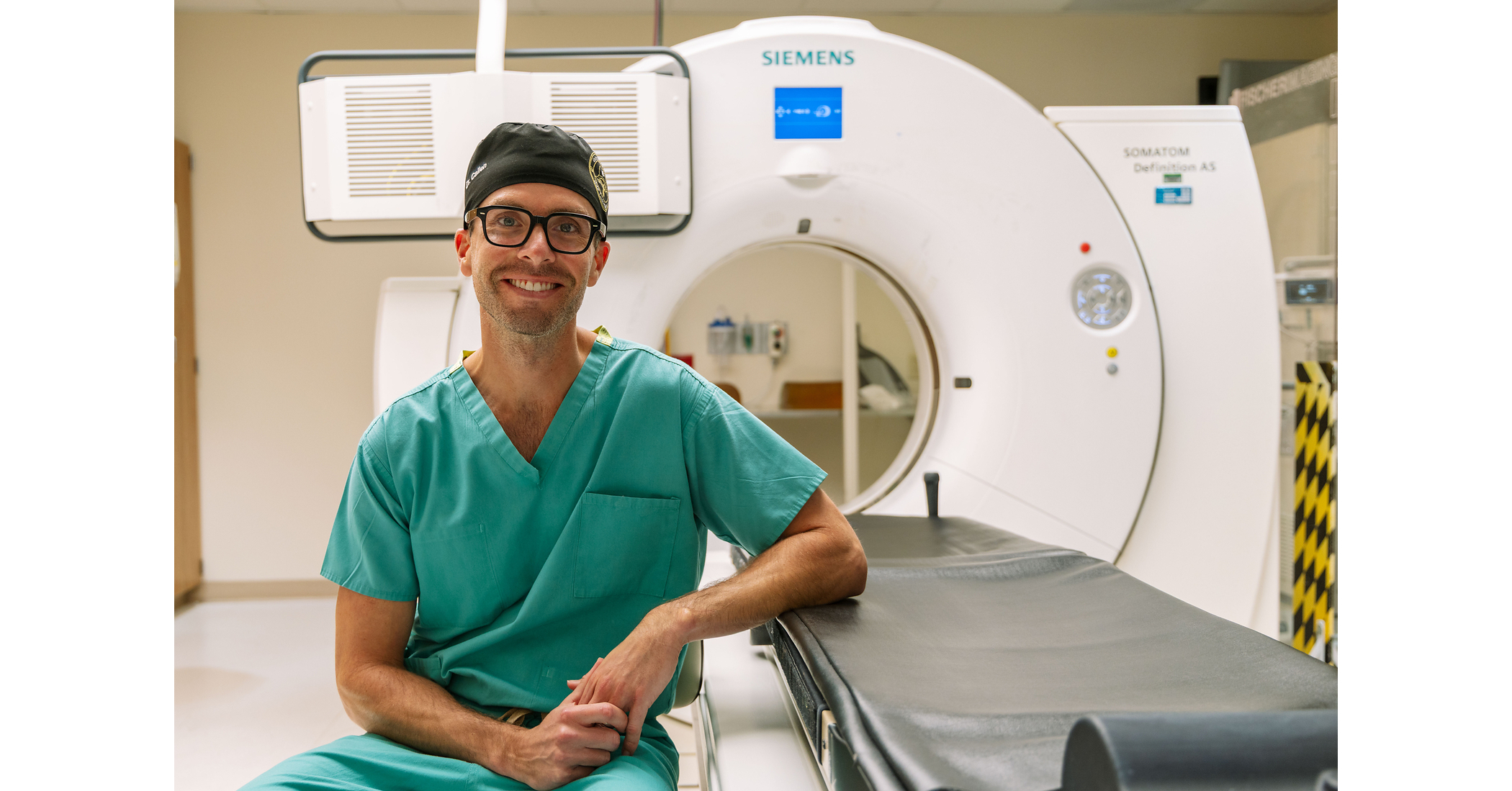
The University of Colorado Anschutz CSF Leak Program received a $50 million anonymous gift to expand patient access, specialist staffing, research and treatment innovation for an underdiagnosed neurological condition. The program currently performs nearly 600 CSF leak procedures annually, with roughly 50% of patients coming from outside its network, state or country, and is booked through mid-2027. Funding will also support research into diagnosis and post-treatment rebound intracranial hypertension.
Analysis
There is no direct listed-equity beneficiary: the funding is philanthropic, directed to a single academic center, and is unlikely to alter near-term revenue or utilization for diversified hospital operators. The investable read-through is instead that chronic diagnostic-delay niches can become economically meaningful once a center standardizes imaging, referral, and post-procedure protocols; this supports longer-duration demand for specialty neuroradiology, minimally invasive spine procedures, and advanced MRI utilization rather than a discrete company-level earnings event.
The likely second-order effect is referral concentration. A scaled center may initially pull complex cases away from regional systems, but its research protocols could ultimately diffuse diagnosis and expand the addressable treated population for imaging and intervention providers over 6-18 months. Companies with broad exposure to imaging volumes and image-guided procedures—GE HealthCare (GEHC), Siemens Healthineers (SHL.DE), Philips (PHIA.AS), and Hologic (HOLX)—have only immaterial exposure absent evidence that screening protocols are adopted across health systems.
Consensus should resist extrapolating procedure counts into a medtech growth thesis. Treatment pathways are heterogeneous, reimbursement is unclear, and capacity expansion at one provider does not establish prevalence, durable procedure intensity, or commercial pricing power. Monitor peer-reviewed prevalence data, multicenter protocol adoption, and any dedicated device or imaging-platform partnerships; without these, this is a healthcare-services innovation signal rather than a trade catalyst.
AllMind Terminal
AI-powered research, real-time alerts, and portfolio analytics for institutional investors.
Request TrialMarket Sentiment
Overall Sentiment
moderately positive
Sentiment Score
0.48
Key Decisions for Investors
- No directional trade on this announcement; the disclosed capital source and single-center scope are not material to GEHC, HOLX, PHIA.AS, or SHL.DE earnings over the next 1-3 months.
- Create a 6-18 month watchlist on GEHC and SHL.DE for evidence of dedicated CSF-leak MRI protocols being deployed across hospital networks; upgrade only if management identifies measurable advanced-MRI utilization or neuro-interventional procedure growth.
- Monitor private-company and medtech conference disclosures for a purpose-built CSF-leak localization or sealant platform. A credible multicenter validation study plus reimbursement pathway would be the required catalyst before underwriting a specialty-device opportunity.
- Falsifier for any future imaging-volume thesis: continued concentration of cases at a few academic centers, no multicenter prevalence data, or unchanged MRI reimbursement/utilization trends through 2027.
More News
- Trump, Xi Address AI, Taiwan During State Visit
- Oracle Japan shares surge 7% after record fiscal first quarter, bucking selloff of U.S. parent
- China's Xi urges U.S. to cooperate on AI
- Trump Hosts China’s Xi With Trade, AI, Taiwan in Focus
- Trump praises US-China friendship at state dinner with Xi Jinping
- Tesla poised to scale production of heavy-duty Semi trucks with opening of Nevada factory