
St. Jude's First Concrete Masonry Dream Home Is Designed to Be Beautiful -- and Built to Endure
Source: PR Newswire
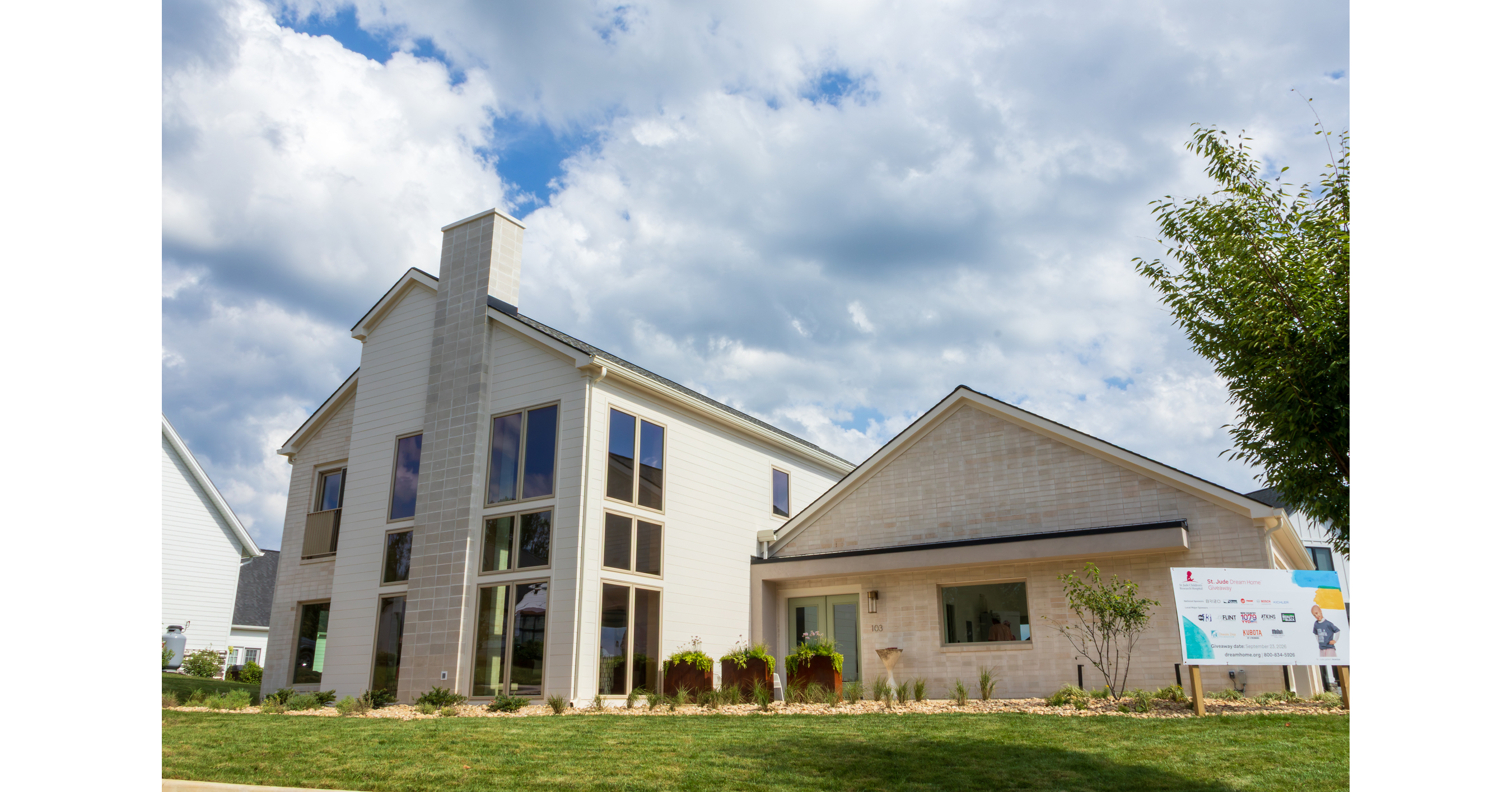
This article is a promotional/industry feature on a 2,900-square-foot Lynchburg “Dream Home” using concrete masonry units (CMU) as the primary structural system. Old Dominion Block, Brick & Hardscapes supplied about 5,700 structural and architectural CMU, and the shift to CMU reportedly helped crews move from ~1 week behind to 1–2 weeks ahead despite winter weather. The piece emphasizes CMU benefits (durability, termite/rot/moisture resistance, noncombustibility, and up to four-hour fire-resistance depending on design) and notes public tours Aug. 22–Sept. 13 with a giveaway on Sept. 23.
Analysis
This is more a proof-of-concept for specifier behavior than a near-term earnings catalyst. The real mechanism is not one showcase home; it is whether resilience, fire resistance, and insurance economics gradually push more custom and rebuild projects toward masonry in high-risk geographies. If that happens, the incremental winners are regional block producers, masons, and adjacent noncombustible materials suppliers; the losers are wood-framing and OSB names that rely on lowest-cost structural systems.
The first-order market impact is negligible, but the second-order effect could matter over 6-18 months if insurers or local codes start pricing noncombustible construction. That would modestly improve mix and pricing for masonry inputs while pressuring lumber-intensive builders in the South and Southeast. Public equities most exposed on the downside would be lumber/OSB proxies like LPX and WY; the upside beneficiaries would be broader building-materials names with resilient-product exposure such as MLM or CRH, but only if adoption becomes measurable in permits or guidance.
Contrarian view: the consensus may overread a marketing example as a demand trend. Masonry still faces cost, labor, and schedule friction, so absent code mandates or insurance discounts, adoption likely remains niche. The thesis is falsified if the next builder/producer updates show no change in quote volume, no mix shift, and no mention of resilience-driven demand in the next earnings cycle.
AllMind Terminal
AI-powered research, real-time alerts, and portfolio analytics for institutional investors.
Request TrialMarket Sentiment
Overall Sentiment
neutral
Sentiment Score
0.02
Ticker Sentiment
Key Decisions for Investors
- No immediate trade in HSHL; treat this as a watch item, not an investable earnings catalyst, until there is evidence of order conversion or margin impact over the next 1-3 quarters.
- If state codes or insurer underwriting start favoring noncombustible construction, consider a 3-6 month pair: long MLM or CRH vs short LPX or WY; upside is modest mix expansion, and the thesis fails if lumber volumes/margins hold steady into the next earnings season.
- Keep XHB/ITB neutral for now; only lean long if we see broader adoption in high-risk rebuild markets, because one project is not enough to justify multiple expansion.
- Set an alert on homeowners insurance premium spikes and hurricane/wildfire code changes; if those catalysts do not materialize by the next housing print, avoid forcing a trade.
More News
- Attack on Saudi airport kills 12 people and wounds more than 300—the deadliest strike in any Gulf Arab country since the start of the Iran war
- Musk says Terrafab chip factory could outperform rivals despite challenges
- Stocks saw new highs and big declines: How the volatile AI trade moved last week's market
- Will Warner Bros. kill Skydance — or will David Ellison kill Warner Bros?
- Trump says he’s evaluating whether the U.S. should join Saudi Arabia’s fight against Iran-backed Houthi rebels in Yemen after fresh attacks on Riyadh
- World condemns deadly Houthi attack on Saudi Arabia’s Riyadh airport
From AllMind Research
- Anthropic IPO Preview: Valuation, Timing, and What to Watch
- Shein After the IPO: Venue, Valuation, and What Must Be Proved
- What AI Research Tools Should a Small Hedge Fund Buy First?
- AI in Asset Management: 2026 Statistics That Hold Up
- What is Broker Research and RMS Systems (And How to Actually Use Them)