
Baker Electric Expands Substation Capabilities as Data Center and Energy Demand Reshape the Grid
Source: PRWeb
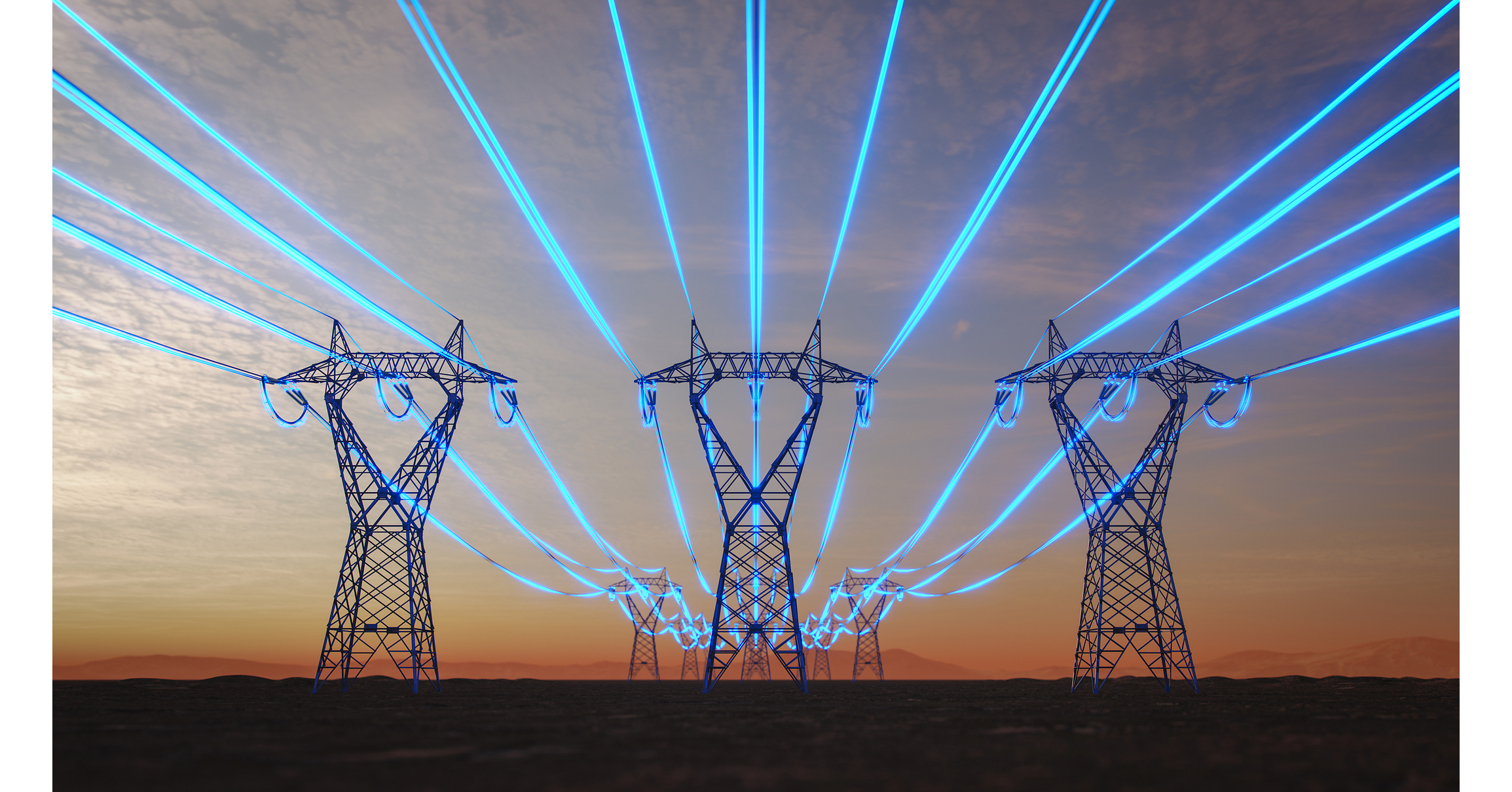
Baker Electric expanded its full-lifecycle substation delivery capabilities to address accelerating U.S. power-infrastructure demand from AI data centers, electrification, renewable generation and battery storage. The company is building a 96 MVA substation supporting 80 MW of solar generation and 80 MW of battery storage, while highlighting transformer and critical-equipment lead times extending beyond one year. The initiative positions Baker as an integrated contractor for increasingly constrained grid-capacity and large-load projects, but the announcement does not disclose financial terms, revenue impact or new contract value.
Analysis
This is not directly investable—Baker is private—and the release is promotional rather than evidence of a material shift in public-company earnings. The relevant read-through is that interconnection and substation execution, rather than data-center shell construction, remain the binding constraint on AI-load deployment. Public OEMs with proprietary, qualification-heavy equipment exposure—GE Vernova (GEV), Eaton (ETN), Hubbell (HUBB), Powell Industries (POWL), and Quanta Services (PWR)—should capture a greater share of project value than electrical contractors as developers compete for scarce transformers, switchgear, protection systems, and utility approvals.
Over the next 1-3 months, the key catalyst is whether utility capex plans, OEM order commentary, and hyperscaler data-center announcements convert into higher transmission/distribution backlog rather than merely longer project timelines. The 6-18 month risk is that grid constraints defer data-center energization, reducing near-term equipment shipment cadence even while the structural demand case remains intact; this would favor suppliers with backlog and service revenue over construction firms exposed to project starts. Consensus may be too focused on generation and GPUs: the more durable margin pool is in medium-voltage distribution and power-quality equipment, where qualification cycles and limited manufacturing capacity constrain substitution.
The contrarian risk is valuation concentration. ETN, GEV, PWR, and POWL already embed substantial electrification and data-center optimism; a single large utility capex deferral or weaker hyperscaler leasing commentary could compress multiples before underlying demand changes. A sustainable thesis requires rising bookings and backlog conversion, not simply continued announcements of planned load growth. Falsification signals include sequential deterioration in electrical backlog, lower utility capital budgets, transformer lead-time normalization without corresponding volume growth, or announced data-center projects delayed for lack of interconnection.
AllMind Terminal
AI-powered research, real-time alerts, and portfolio analytics for institutional investors.
Request TrialMarket Sentiment
Overall Sentiment
mildly positive
Sentiment Score
0.38
Key Decisions for Investors
- Maintain a 6-12 month overweight in ETN and HUBB versus data-center construction exposure: both are positioned at the higher-margin electrical-distribution layer, while contractors bear more labor, schedule, and fixed-price execution risk. Reassess if either reports order growth below utility capex growth for two consecutive quarters.
- Use PWR as the liquid grid-buildout expression, but enter only on post-earnings or macro-driven weakness rather than chasing AI headlines; target a 12-month holding period and cap exposure because project timing can create lumpy revenue recognition. Reduce on material backlog-conversion deterioration or guidance tied to permitting delays.
- Watch POWL for incremental switchgear orders, but do not initiate solely from this release: its upside is most sensitive to order-book acceleration, while the stock carries elevated valuation and execution risk. Upgrade to a position only if the next reported backlog supports sustained revenue growth beyond the current fiscal year.
- Pair-trade watch: long ETN or HUBB / short a broad data-center REIT basket such as SRVR if interconnection delays begin to push out commissioned capacity. The trade works if power-equipment bookings remain firm while energized data-center supply—and therefore near-term rent commencement—slips; exit if utilities accelerate connection schedules or REIT preleasing offsets delays.
More News
- Here’s the ‘core economic flaw’ in the AI bull case as stock and bond trades unravel, according to a top economist
- Iran says won’t allow US warships to get close as Trump ponders new attacks
- American embassies tighten security as Iran threat warnings intensify ahead of U.S. midterm elections
- Saudi-led coalition says it intercepted Houthi ballistic missiles targeting Saudi cities
- Biotech stocks are surging. How investors can play the new drug innovation boom
- AI funding fears rattle Wall Street. Here's how we're adjusting our portfolio