
SAPPHIRE LENSES & WINDOWS FOR HIGH TEMPERATURE APPLICATIONS
Source: PR Newswire
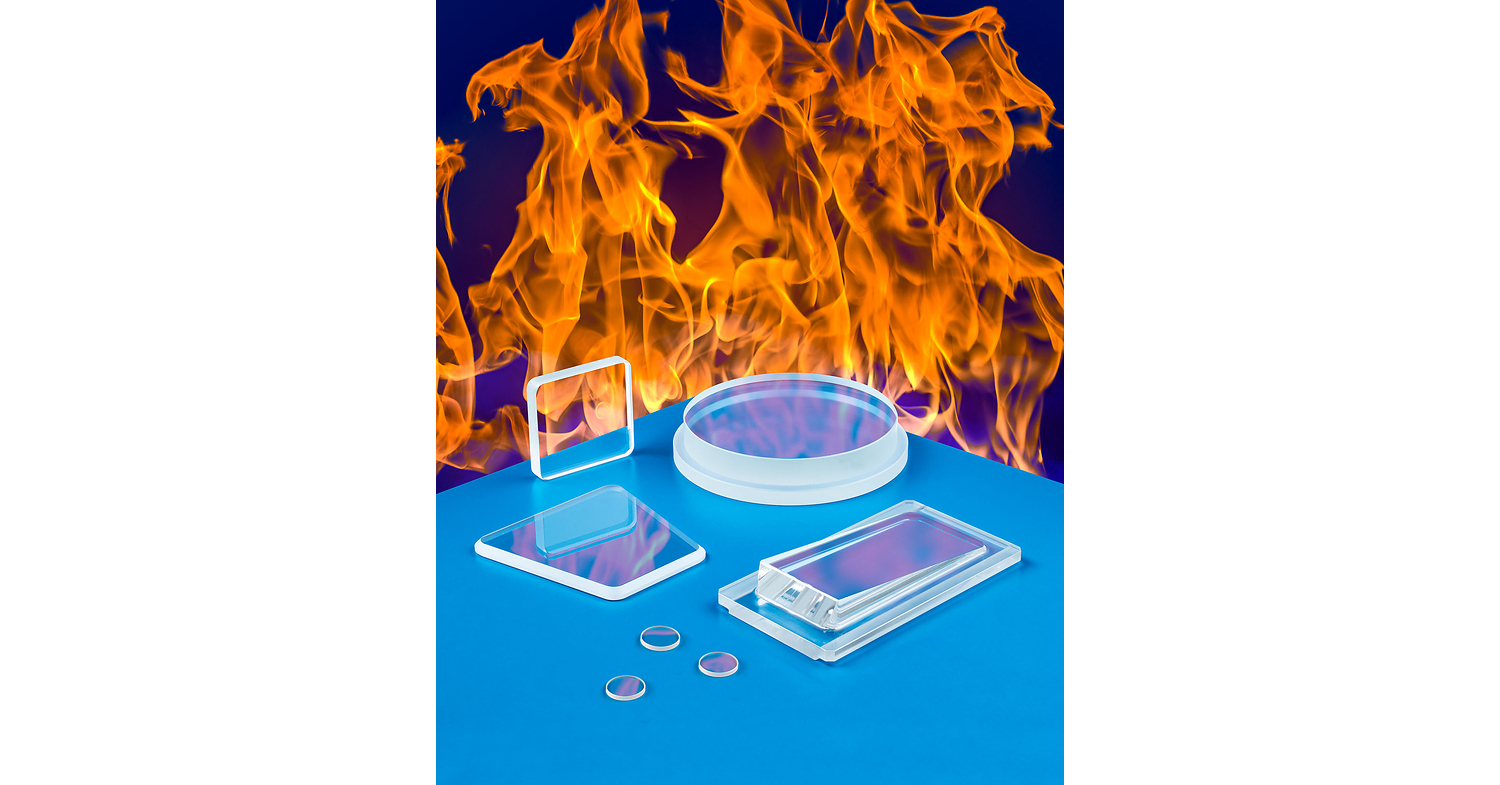
Meller Optics introduced custom sapphire optics for extreme-temperature applications including missile seeker windows, semiconductor processing, furnace inspection, vacuum chambers and aerospace instrumentation. The products can operate from -200°C to +1,600°C, resist chemicals including fluorine up to 300°C, and are configurable in diameters from 0.25 to 6.0 inches. Pricing is quote-based, with no revenue, order, customer, or financial guidance disclosed.
Analysis
This is not independently meaningful for public-market earnings: Meller is private, provides no pricing, capacity, qualification status, backlog, or customer awards, and the addressable applications have long design-in cycles. The relevant read-through is only that sapphire remains a viable premium material where downtime, thermal shock, abrasion, and chemical exposure matter more than component cost.
Near term, no broad semiconductor or defense revenue implication should be inferred. Qualification in missile, aerospace, and semiconductor-tool applications typically requires 6-24 months, while a custom-optics supplier can face lumpy demand and limited ability to scale without crystal-growth and precision-machining capacity. Publicly traded equipment names with high-temperature process exposure—AMAT, LRCX, KLAC and MKSI—would benefit only if end-customer capex or tool specifications validate incremental sapphire adoption, not from this product announcement itself.
The potentially underappreciated structural angle is supply-chain concentration: sapphire component demand can tighten substrates, crystal-growth capacity, coatings, and specialty machining availability if defense procurement and leading-edge semiconductor process intensity accelerate simultaneously. That would favor vertically integrated or qualified-component suppliers over tool OEMs forced to absorb input-cost inflation, but there is insufficient evidence here to identify a listed direct beneficiary. A competing-material response—advanced ceramics, fused silica, silicon carbide, or ALON—could cap sapphire penetration where optical transmission requirements are less demanding.
AllMind Terminal
AI-powered research, real-time alerts, and portfolio analytics for institutional investors.
Request TrialMarket Sentiment
Overall Sentiment
mildly positive
Sentiment Score
0.15
Key Decisions for Investors
- No standalone trade: do not position in AMAT, LRCX, KLAC, MKSI, or defense primes on this release; the missing variables are named design wins, annualized order value, qualification completion, and production capacity.
- Create a 6-12 month watch alert for sapphire adoption disclosures in semiconductor process tools and missile/EO programs. Upgrade only after at least one public OEM cites sapphire-driven performance, supply constraints, or incremental component sourcing.
- For existing long positions in AMAT/LRCX, monitor gross-margin commentary and supplier lead times rather than treating sapphire demand as a growth catalyst; thesis is falsified as a supply-chain concern if lead times and material-cost commentary remain flat through the next two earnings cycles.
- If defense optical procurement accelerates, prefer exposure through diversified primes RTX and LMT rather than attempting to monetize a private-component supplier signal; require funded program awards or EO/IR backlog growth before adding.
More News
- Saudi coalition says Houthi drone destroyed near Mecca
- Iran war increasing inflation, straining US munitions: congressional report
- Attacks on Saudi oil expose Iraqi PM’s struggle to control armed factions
- China's AI leaders keep quiet despite U.S. 'publicity' on tech risks
- Karin Rådström is steering Daimler Truck in a new direction as the world’s biggest truckmaker faces a growing challenge from China
- Iran war has cost Pentagon $38 billion and depleted missile stockpiles, CBO says
From AllMind Research
- Anthropic IPO Preview: Valuation, Timing, and What to Watch
- Shein After the IPO: Venue, Valuation, and What Must Be Proved
- What AI Research Tools Should a Small Hedge Fund Buy First?
- AllMind Discusses Ontario's AI Economy with Minister Stephen Crawford and Supply Ontario CEO James Wallace
- AI Research Tools for SEDAR+, UK and ASX Filings