
Applications Now Open for Middle School Science Teachers to Participate in 2027 National STEM Scholar Program
Source: PRWeb
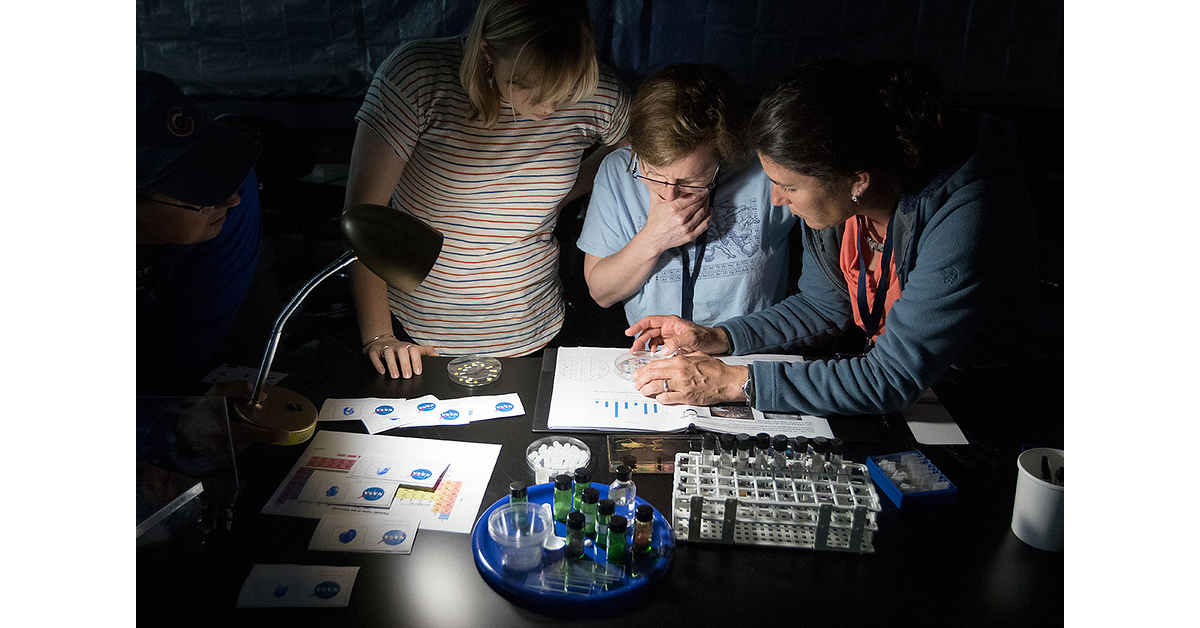
Applications are open through February 1, 2027, for 10 places in the National STEM Scholar Program’s 2027 cohort of middle school science teachers. Selected teachers will attend a week of STEM training at Western Kentucky University from May 30 to June 4, 2027, and receive travel, lodging, meals, a device, project funding, and sponsored attendance at the NSTA National Conference.
Analysis
This is a human-capital initiative, not a near-term investable demand signal. Any device or classroom-technology purchases are likely too small and dispersed to move supplier revenue absent evidence of materially larger, recurring procurement. The longer-term STEM-workforce thesis is plausible but highly attenuated: student outcomes, program replication, and eventual labor-market effects would need independent measurement before supporting an investment case.
Near term, the application deadline is an engagement milestone rather than a financial catalyst. Over 6–18 months and beyond, the relevant signal would be demonstrable expansion in funded cohorts, repeatable classroom outcomes, and broader institutional or corporate sponsorship—not participation counts alone. Because this is a foundation announcement and no public-company exposure or funding scale is identified, there is no defensible listed-equity trade. Treat any claims of downstream workforce or commercial impact as unverified until outcomes and program funding are disclosed.
AllMind Terminal
AI-powered research, real-time alerts, and portfolio analytics for institutional investors.
Request TrialMarket Sentiment
Overall Sentiment
neutral
Sentiment Score
0.10
Key Decisions for Investors
- No trade: the announcement offers no identifiable public-company earnings exposure or material catalyst.
- Watch for disclosed program funding, cohort growth, and independently measured student outcomes; these would determine whether the initiative is scaling beyond a small philanthropic program.
- Do not infer meaningful demand for education-technology vendors from classroom project examples; revisit only if recurring procurement or a broader purchasing partnership is documented.
More News
- Marvell to buy Lumentum in $115 billion deal in AI data-center bet
- Marvell, Lumentum tout historic $115B deal to create ‘category leader' in AI connectivity
- The AI boom is facing another supply crunch. This time it’s the amount of capital available to feed Silicon Valley’s endless need for cash
- Oil Prices Retreat, Apple Results on Deck
- New Apple CEO John Ternus chalks up some early wins, but the honeymoon is over
- In one of the largest deals in tech history, Marvell buys Lumentum for $115B