
Metal Wood Grain Emerges as a New Option for European Senior Living Furniture
Source: PR Newswire
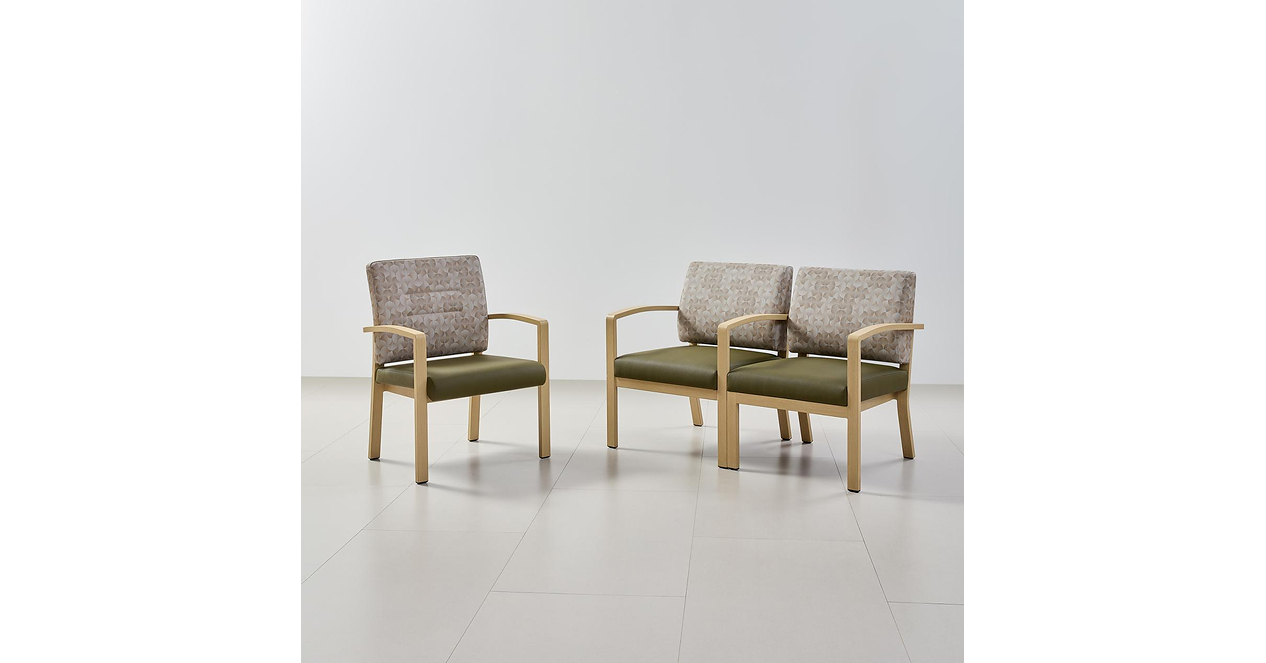
Yumeya Furniture is positioning “metal wood grain” senior-living chairs as a lower-cost alternative to solid wood, priced at ~50%–60% of comparable solid-wood products and backed by a 10-year frame warranty. The article links the shift to tighter European senior-living procurement budgets and increasing sourcing/traceability demands under the EU Deforestation Regulation (EUDR). Overall, it presents a new product/material option rather than a market-wide financial catalyst, with limited expected price impact beyond specific distributors/suppliers.
Analysis
This reads less like a product breakthrough than a procurement-mix inflection: in price-sensitive, regulated end-markets, buyers often substitute away from “authentic” materials once the compliance burden and capex discipline tighten. The economic winner is not the vendor pitching a look-alike finish; it is any supplier with standardized metal fabrication, repeatable QA, and low working-capital intensity. That structure should pressure smaller wood-centric manufacturers whose differentiation is craftsmanship rather than auditability or delivered cost.
The second-order effect is on sourcing power. If EUDR-style documentation becomes part of the RFQ process, wood furniture effectively carries a compliance tax that metal-based alternatives can dodge, especially in cross-border commercial projects. That can compress pricing for solid-wood suppliers while improving distributor bargaining power, because the distributor can arbitrage material choice rather than sell a single aesthetic. Over 6-18 months, the more important implication is SKU rationalization: repeatable metal frames should mean fewer defects, lower returns, and better fill rates, which matters more than the headline finish premium.
The contrarian risk is that this may be overread as a category shift when it is really a narrow response to budget pressure. Care-home furniture is replacement-driven, not a high-growth consumption theme, and wood remains the default in many premium projects. If EUDR implementation is delayed, softened, or enforced unevenly, the substitute economics weaken quickly; conversely, if wood input prices fall, the urgency to switch drops. I would treat this as a watch item for margin commentary in European contract furniture rather than a standalone equity signal.
AllMind Terminal
AI-powered research, real-time alerts, and portfolio analytics for institutional investors.
Request TrialMarket Sentiment
Overall Sentiment
neutral
Sentiment Score
0.08
Key Decisions for Investors
- No immediate directional trade: there is no obvious liquid pure-play beneficiary, and this is more a procurement substitution than a demand shock. Wait for evidence in order books or margin commentary from European contract furniture makers over the next 1-2 quarters.
- Set an alert on European wood-furniture suppliers’ gross margins and backlog conversion: if EUDR compliance costs start appearing in guidance, the thesis becomes a multi-quarter short against wood-heavy names.
- Watch for relative-value opportunities in industrial metal fabricators versus wood-centric furniture manufacturers in Europe; the trade works best if buyers start standardizing on repeatable metal frames and compliance-friendly SKUs.
- If EUDR enforcement is delayed or materially softened, fade the substitute thesis immediately; that would remove the compliance premium and likely reverse any margin dispersion within 1-3 months.
More News
- CoreWeave credit default swaps hit distress levels as investors sour on AI debt
- Brian Sullivan: Why the 'real' price of oil is likely $30-$40 higher than where it is now
- Treasuries Soar as Tech Slump Threatens Growth
- Penske Automotive agrees to be taken private by Penske, Mitsui
- Faraday Copper completes acquisition of BHP’s San Manuel project
- Latest Oil Market News and Analysis for Oct. 16
From AllMind Research
- Anthropic IPO Preview: Valuation, Timing, and What to Watch
- Shein After the IPO: Venue, Valuation, and What Must Be Proved
- What AI Research Tools Should a Small Hedge Fund Buy First?
- Capital Intensity as Gravity: The AI Trade Enters Its Industrial Era (Looking at Q3 2025 Earnings in Tech)
- AI Portfolio Monitoring: Build an Alert Policy Analysts Can Audit